
Extended & Combination Voyages
Into the Wild South:
The Falklands, South Georgia & Antarctica
A Falklands, South Georgia & Antarctica Expedition – Montevideo to Ushuaia
Expedition OverviewSailing from Montevideo, we first reach the remote Falkland Islands before crossing the Scotia Sea along the Scotia Ridge towards South Georgia — an exceptionally productive part of the Southern Ocean and an important wildlife experience in its own right.
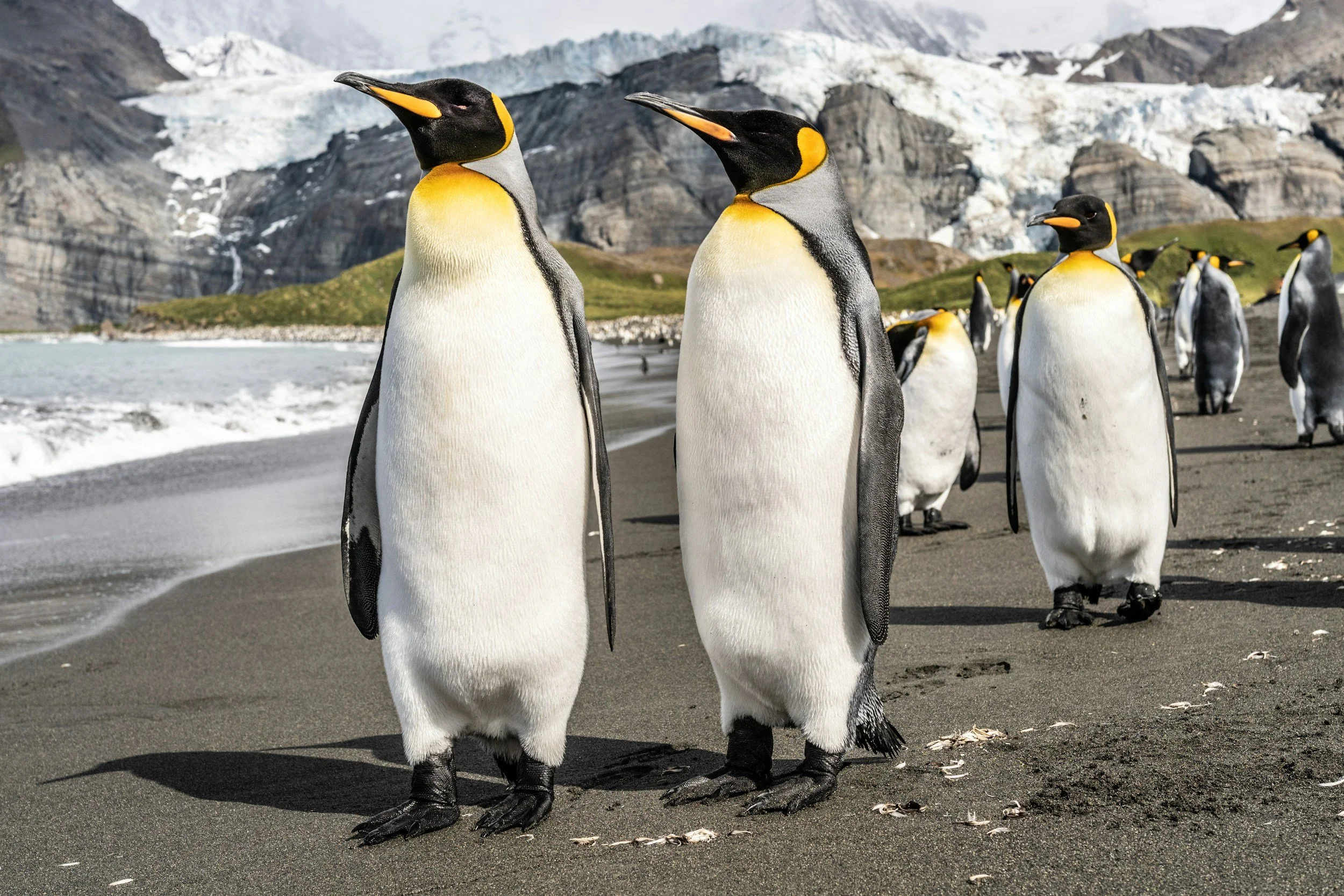
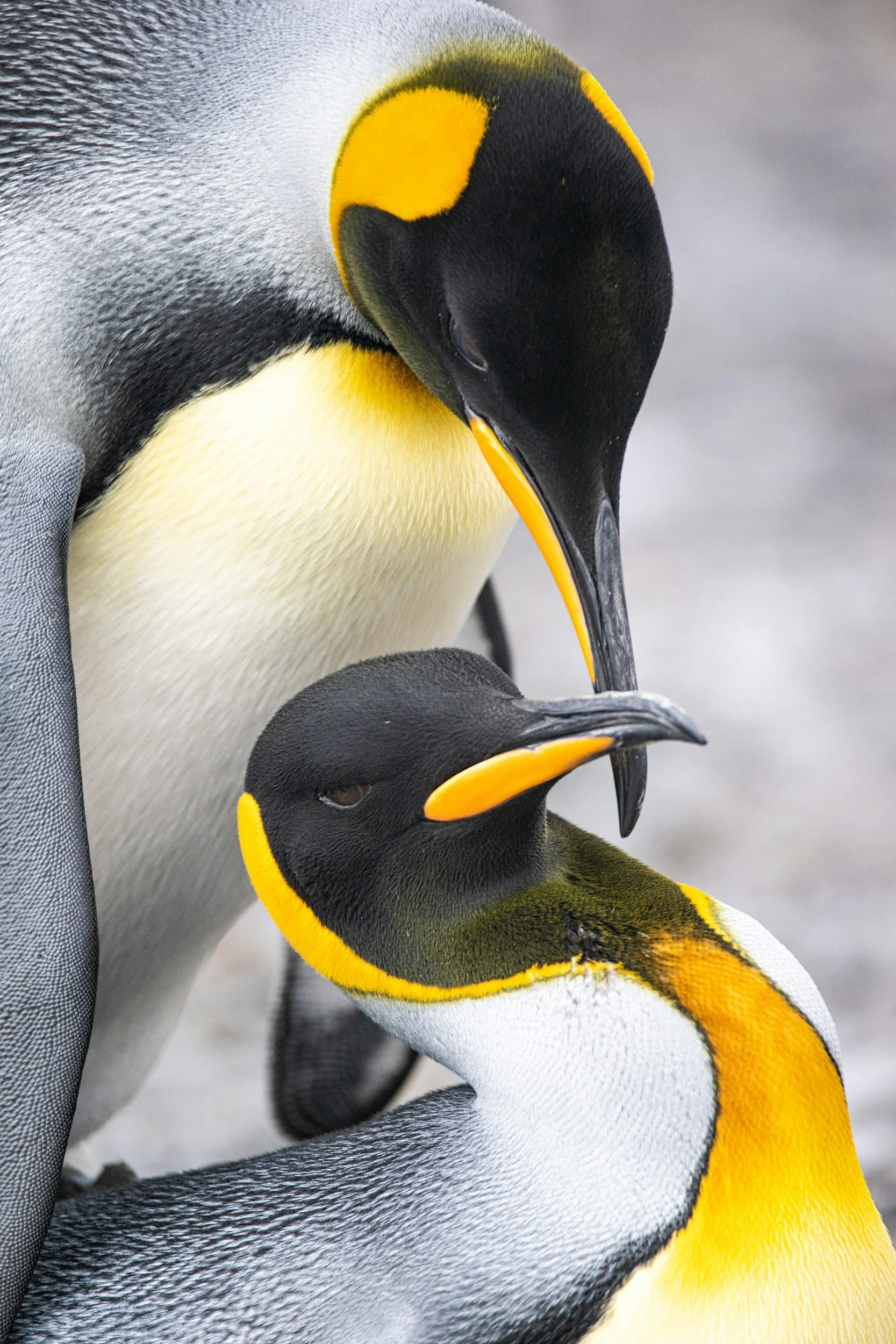
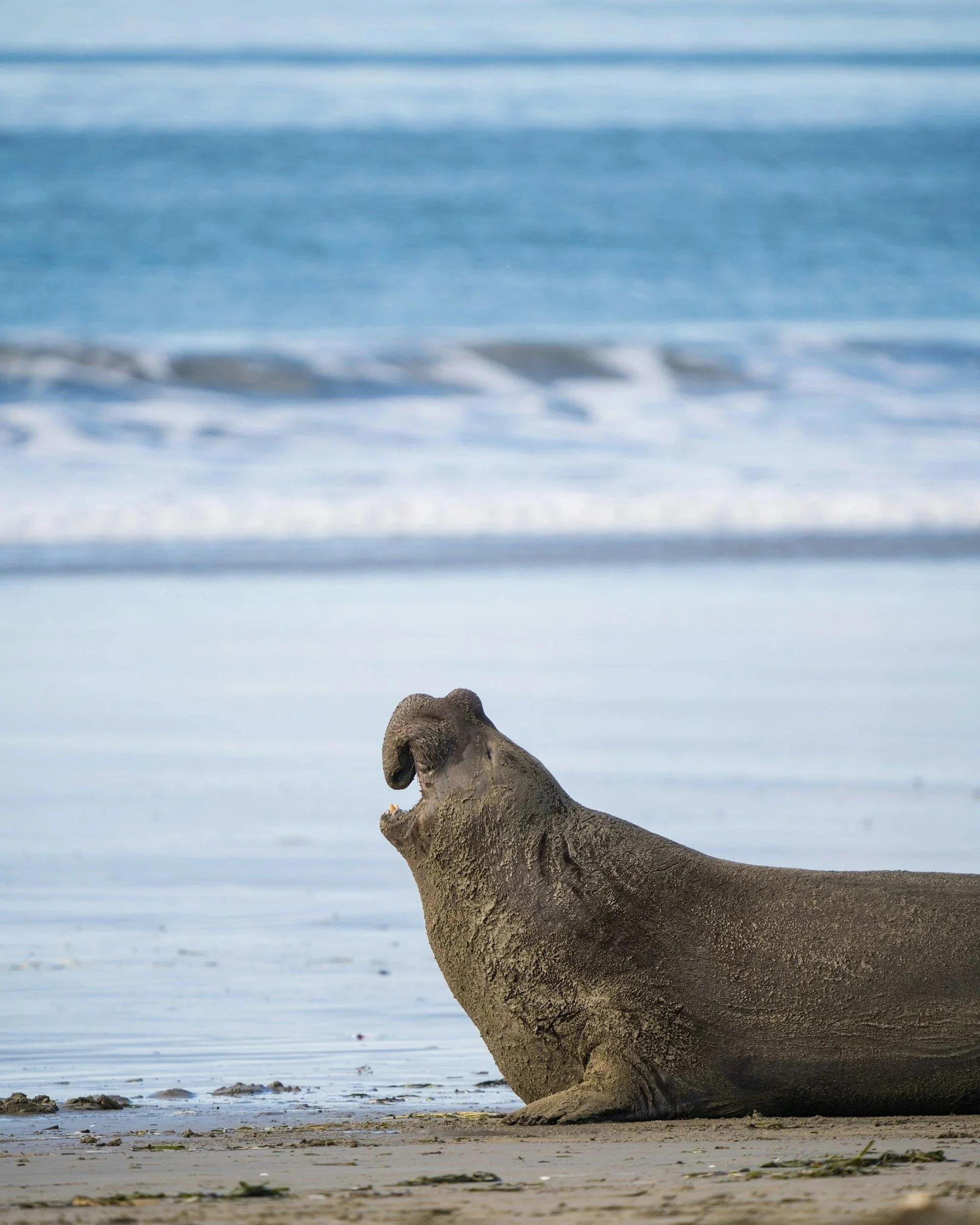
In South Georgia, snow still clings to the mountains as vast king penguin colonies gather along the coast and southern elephant seals arrive for one of nature’s most dramatic breeding spectacles.
From here, we continue south towards Antarctica. At the beginning of the summer season, extensive sea ice and fresh snow can still shape the landscape and influence our route, creating spectacular conditions as wildlife begins to return.
It is Antarctica at its most pristine. An expedition where the conditions help write the story.
SNOW, SEALS AND THE WILD SOUTH: SOUTH GEORGIA

October in
South Georgia
“Early-season South Georgia is one of my favourite places anywhere in the world. Crossing the Scotia Sea takes us through one of the most productive parts of the Southern Ocean, with incredible opportunities to spot albatrosses, petrels, whales and other marine mammals along the way. And when we reach South Georgia in October, it’s the island at its wildest. Snow still covers the mountains, the beaches are alive with elephant seals in the middle of their breeding season, and the whole place has this raw, early-season energy. It’s dramatic, noisy and completely untamed. One of my favourite times to experience South Georgia.
— Amanda Hunter, Operations Manager, Terra Nova Expeditions
HIGHLIGHTS
- Sail one extraordinary route from Montevideo to the Falkland Islands, South Georgia, the South Shetland Islands and Antarctic Peninsula, finishing in Ushuaia
- Experience South Georgia during southern elephant seal breeding season, when enormous bulls compete for territory and breeding beaches are at their most active
- Walk among vast king penguin colonies surrounded by South Georgia's snow-covered mountains and glaciers
- Cross the Scotia Sea from the Falklands to South Georgia, an exceptionally productive part of the Southern Ocean and an important wildlife experience in its own right
- Watch for albatrosses, petrels, whales and other marine mammals throughout the Southern Ocean crossings
- Discover South Georgia's remarkable exploration history and, conditions permitting, visit Grytviken and Sir Ernest Shackleton's grave
- Arrive in Antarctica at the beginning of the expedition season, when extensive sea ice, fresh snow and pristine landscapes can create spectacular conditions
- Explore by Zodiac and on foot, with each day's programme shaped around wildlife, weather and ice
- Kayak among icebergs and along remote coastlines — included at no additional cost
- Learn from the expedition team through daily lectures, wildlife interpretation and presentations
ITINERARY
Your journey into the wild south begins in Montevideo.
Board Terra Nova Adventurer, settle into your cabin and meet your expedition team and fellow travellers.
Following our safety briefings and introduction to expedition life, we leave Uruguay behind and begin our journey across the South Atlantic.
Over the next three weeks, we'll travel from the temperate waters of South America through the Falkland Islands and South Georgia before continuing deep into Antarctica.
Our first days at sea provide time to settle into the rhythm of expedition life as Terra Nova Adventurer makes her way south.
The expedition programme begins almost immediately, with presentations introducing the wildlife, history, geology and environments we hope to encounter.
Spend time outside too. These waters are home to an extraordinary variety of seabirds, and the ship's decks become our first wildlife-watching platform.
Albatrosses and petrels may begin following in our wake, while whales and other marine mammals are always worth watching for.
Our first expedition landings bring us to the Falkland Islands: a remote archipelago of sweeping coastlines, rugged hills and wildlife-rich shores.
Depending on conditions, we'll explore by Zodiac and on foot, searching for penguins, seabirds and marine mammals while discovering some of the islands' fascinating natural and human history.
Rather than following a fixed schedule of predetermined sites, our Captain and Expedition Leader will select the best opportunities according to local weather, sea conditions and wildlife activity.
Leaving the Falklands behind, we turn east towards South Georgia — but these are far more than transit days.
The Scotia Sea is one of the most biologically productive regions of the Southern Ocean, supporting an extraordinary abundance of seabirds and marine mammals.
Albatrosses and petrels range across these waters, while whales and other marine mammals may appear along our route.
Spend time on deck with the expedition team watching for wildlife, while lectures and presentations introduce South Georgia's ecology, history and remarkable concentrations of wildlife.
Eventually, one of the Southern Ocean's most dramatic skylines begins to emerge ahead: the snow-covered mountains of South Georgia.
Few places can prepare you for South Georgia.
Mountains rise almost directly from the sea, glaciers descend towards the coast and beaches can hold wildlife in numbers that seem almost impossible.
October makes this encounter particularly special. We arrive during the southern elephant seal breeding season, when enormous bulls compete for territory and beaches reverberate with the sounds of one of the Southern Ocean's great wildlife spectacles.
South Georgia is also home to immense colonies of king penguins, alongside macaroni penguins, fur seals and an extraordinary diversity of seabirds.
At this time of year, snow may still reach close to the shoreline, creating a spectacular backdrop of white mountains, glaciers and wildlife-filled beaches.
Over several days, we'll explore wherever conditions and wildlife opportunities are best, using our Zodiacs to reach remote beaches and bays.
Conditions permitting, we also hope to visit Grytviken, once a centre of the whaling industry and today home to the grave of Sir Ernest Shackleton.
These aren't days to rush. Our aim is simple: make the most of every opportunity South Georgia gives us.
We leave South Georgia behind and turn south-west, setting a course for Elephant Island and Antarctica.
Over the next two days at sea between South Georgia and Elephant Island, the character of the ocean begins to change. Temperatures fall, Antarctic seabirds become increasingly common and we keep watch for the first icebergs appearing on the horizon.
Reaching the vicinity of Elephant Island, we enter waters steeped in Antarctic exploration history before continuing towards the Antarctic Peninsula.
Our route then takes us through the Antarctic Sound, where we may spend a full day navigating one of Antarctica's most spectacular waterways. Often referred to as "Iceberg Alley", the Sound is renowned for its enormous tabular icebergs, calved from the great ice shelves of the Weddell Sea.
Early-season conditions make this part of the journey especially fascinating. Sea ice may influence our route, and the expedition team will monitor ice information, forecasts and local conditions as we approach the Antarctic Peninsula.
Lectures continue aboard, preparing us for an environment unlike anywhere else on Earth.
And then: Antarctica.
October and early November mark the very beginning of the Antarctic expedition season. Winter has only recently loosened its grip, mountains and landing sites can still be covered in deep snow, and extensive sea ice may remain along parts of the Peninsula.
Rather than seeing this as an obstacle, it's part of what makes this departure so extraordinary.
Our Captain and Expedition Leader will use the latest ice and weather information to find the best opportunities available each day.
We may Zodiac cruise beneath towering glaciers, navigate through fields of sculpted icebergs, step ashore among penguin colonies or simply stop to watch as the light changes across an untouched landscape.
Where conditions permit, opportunities may include kayaking, snowshoeing, photography, Zodiac exploration and the polar plunge.
No two days will be the same — and at this time of year especially, the ice helps decide where the adventure takes us.
Eventually, we turn north and begin our crossing of the legendary Drake Passage.
These final days at sea provide time to absorb everything we've experienced: from the wildlife of the Falklands and the extraordinary breeding beaches of South Georgia to the ice and silence of early-season Antarctica.
Join final presentations from the expedition team, share photographs and stories with fellow travellers, or spend time outside watching albatrosses and petrels accompany us towards South America.
As Cape Horn approaches, we enter the Beagle Channel for our final journey towards Ushuaia.
We arrive in Ushuaia after an extraordinary journey spanning the South Atlantic and Southern Ocean.
Say goodbye to Terra Nova Adventurer, your expedition team and fellow travellers as you disembark with memories of three of the world's great wilderness regions.
From South Georgia's snow-covered mountains and elephant seal breeding beaches to the fresh snow and sea ice of Antarctica, you've experienced the Southern Ocean at one of its wildest times of year.
This 21-day / 20-night expedition operates from Montevideo to Ushuaia. The day allocations shown above reflect the planned itinerary and are approximate. Dates, operational days, landing locations and time spent in each destination are dependent on weather, sea, ice and other operational conditions. Our aim is to maximise the experience in each region rather than guarantee a fixed number of days, landings or activities in any particular location. The Captain and Expedition Leader will adapt the programme throughout the voyage to make the most of conditions, wildlife and expedition opportunities.
No extra charges. Just extra adventure.
-
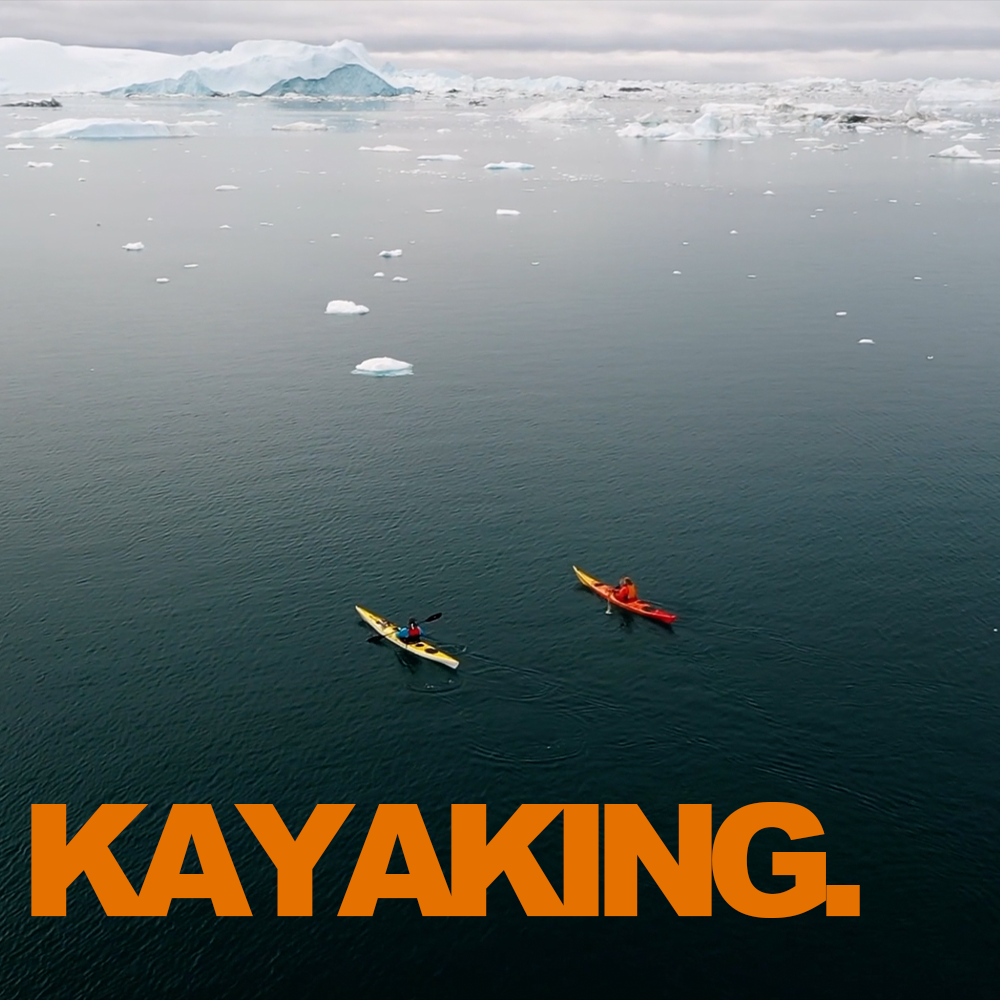
![Two people kayaking on calm arctic waters with floating ice and icebergs in the background.]()
Kayak
Glide through crystal-clear water at ice level, closer to the wildlife and geology than any Zodiac can get. Seals, penguins, and whales have a habit of approaching curious kayakers. Pre-booking required.
-
![A person hiking on snow-covered terrain with a green jacket, orange backpack, and crampons, holding an ice axe, as part of a trekking or mountaineering activity.]()
Trekking
Venture beyond the shoreline and into terrain most Antarctic visitors never reach. Quiet, low-impact, and staggeringly beautiful. Led by expert guides across snowfields and beside glaciers.
-
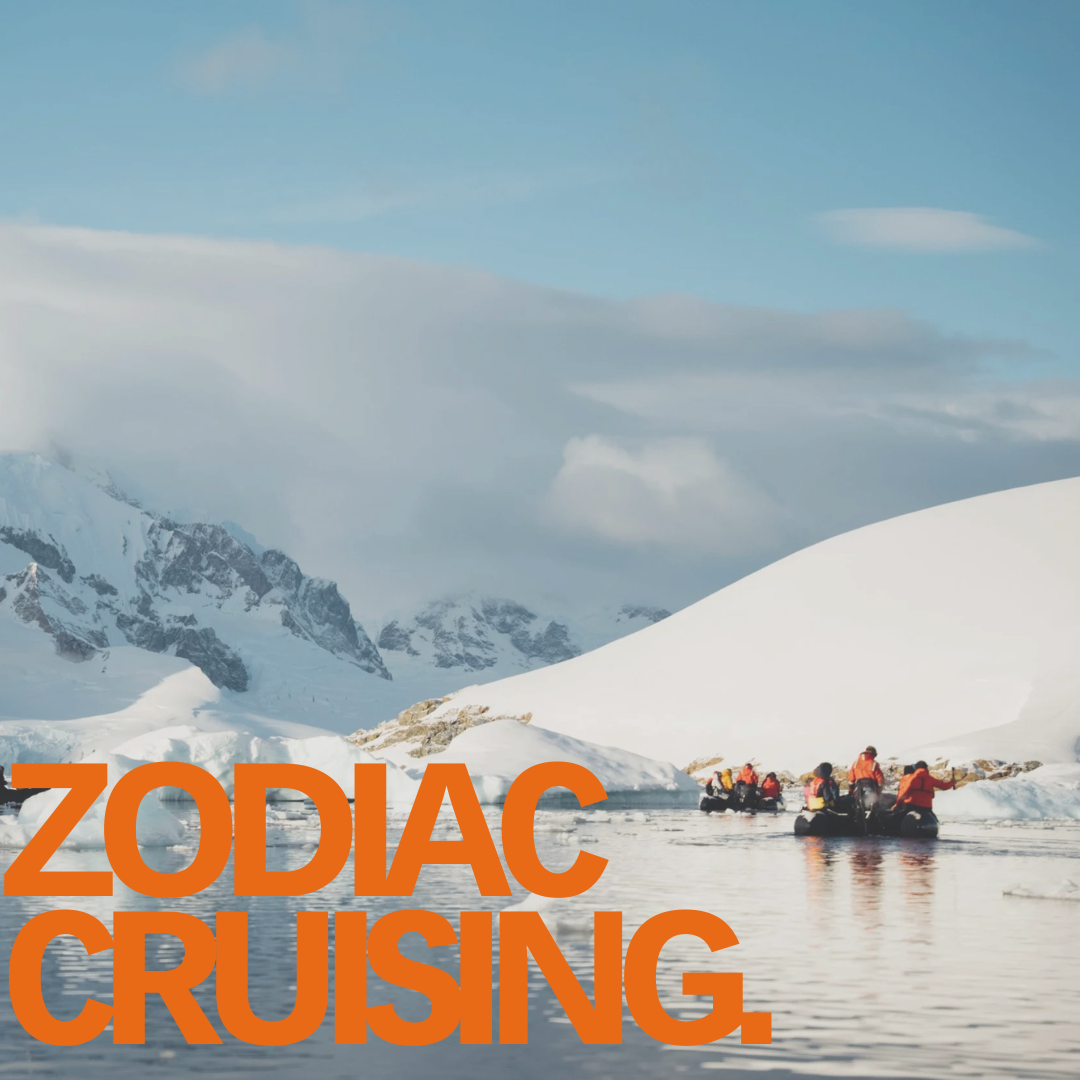
![Group of people in orange jackets riding ATVs on icy water surrounded by snow-covered mountains.]()
Zodiac Cruising
Your daily connection to the shore. Twelve Zodiacs mean more landings, more flexibility, and more time where it counts, on the ice, not waiting for a tender.
-
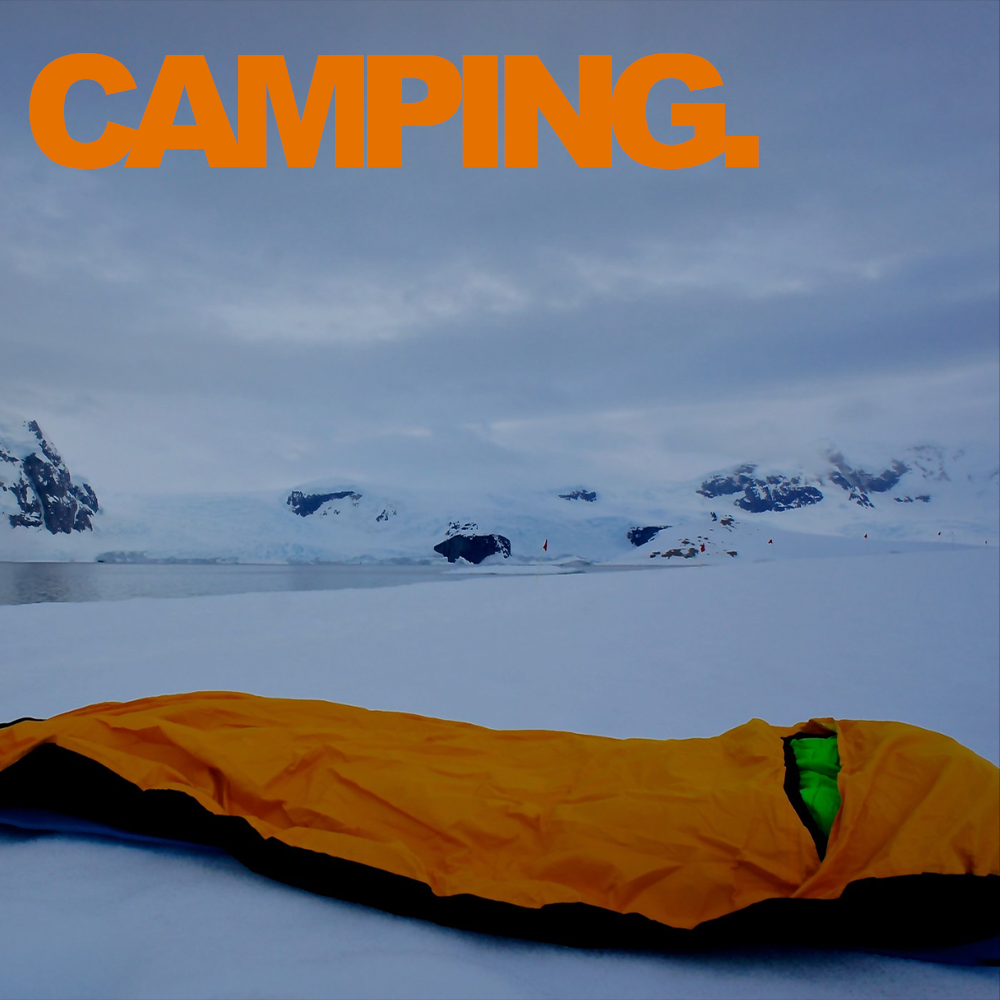
![A snow-covered landscape with mountains in the background, overcast sky, and a yellow and black sleeping bag laid out on the snow. The word "CAMPING" in bold orange letters is at the top of the image.]()
Open Air Camping
Sleep on the ice itself: surrounded by silence, glaciers, and the kind of stillness cities never see. Open to 30 guests per departure using expedition-grade bivvy gear, fully supported by our team. Register early, spaces fill quickly.
-
![A person in a winter coat and fur-lined hat taking a photograph with a camera on a boat, with icy mountains and water in the background, promoting a photography workshop.]()
Photography Workshop
A lecture from an expert expedition photographer, plus hands-on guidance during landings and on deck. Whether you shoot on a phone or a professional camera, you'll find the support you are looking for.
-
![A person doing a diving pose into a body of water, with the words 'POLAR PLUNGE' in large orange letters at the top left corner.]()
Polar Plunge
Completely optional. Absolutely unforgettable. A supervised plunge into Antarctic waters. something most people insist they’ll skip… until they don’t.
-
![A woman practicing yoga outdoors on a boat at sunset, performing a one-legged backbend stretch with her arms behind her head, water and cloudy sky in the background.]()
Morning Yoga
Morning sessions to ease the body between days of exploration. Beginners welcome. Held indoors, or on deck when Antarctica decides to cooperate.




Secure your spot with a small deposit now.
No surprise charges when you board.
Everything here is included too.
-
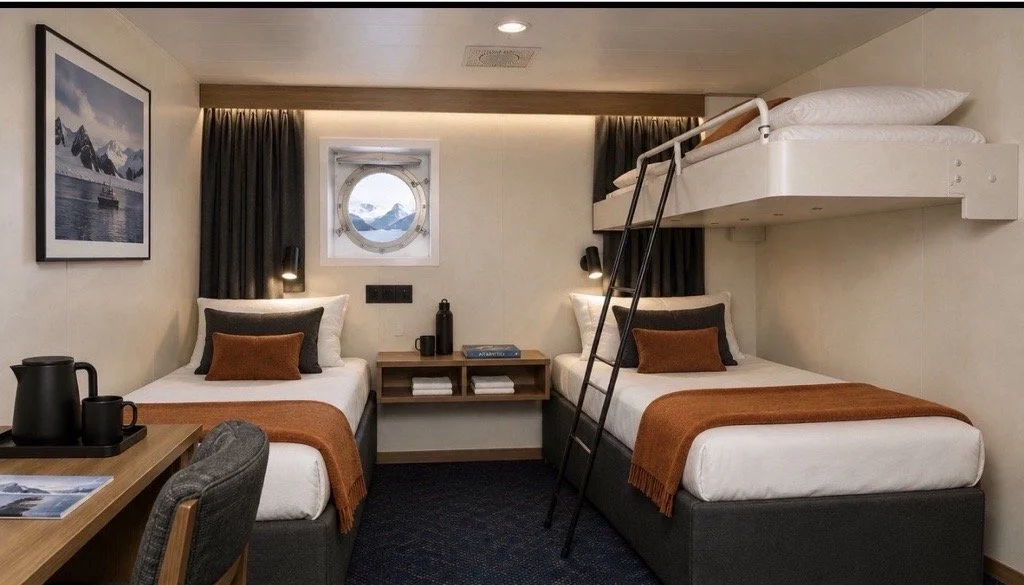
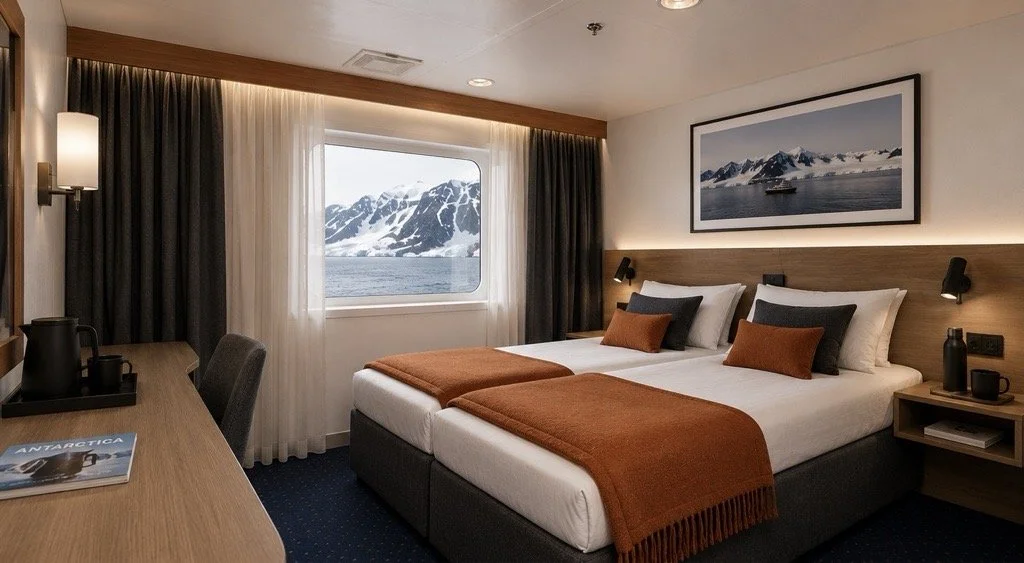
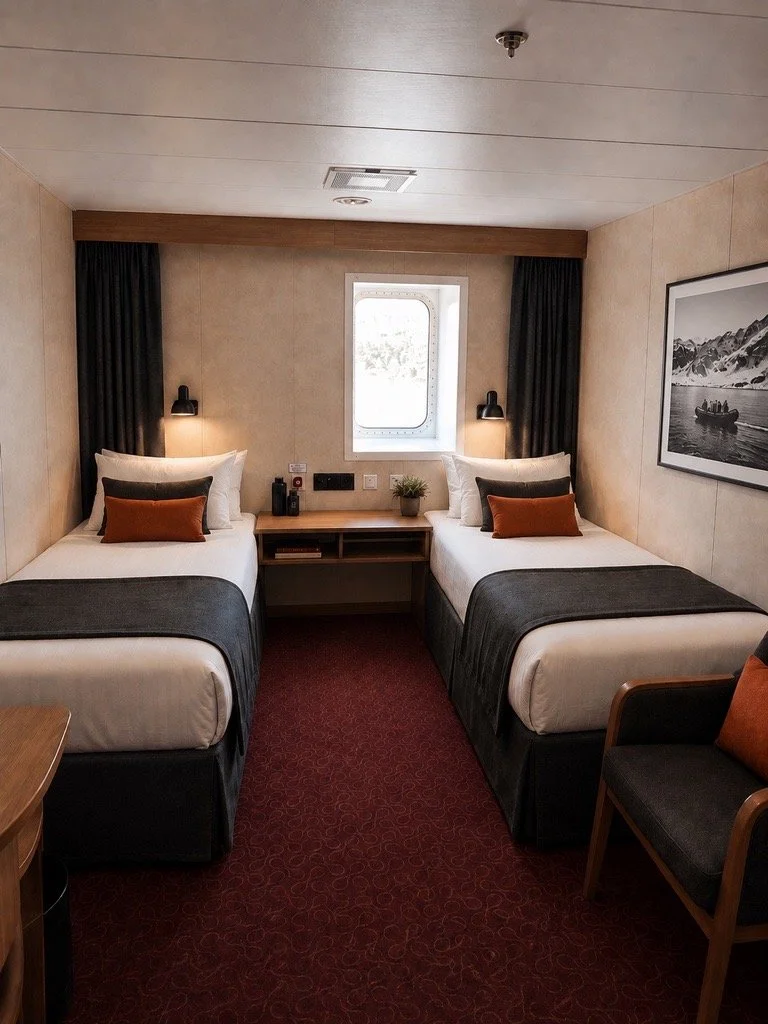
Your cabin.
Fully serviced cabins with daily housekeeping, fresh linen, and en-suite bathrooms.
-
Every meal. Every day.
Three meals, all-day snacks, tea and coffee, and house beer/wine/soda during dinner hours.
-
Adventure activities.
Kayaking, snowshoeing, camping, trekking, Zodiac cruises, yoga, and the polar plunge — all included.
-
Expert equipment.
Loaned muck boots and activity gear and a personal outer layer expedition parka for you to keep.
-
Expert guides.
Expert-led shore excursions, daily lectures, and educational talks from naturalists, historians, and scientists.
-
Hotel Expenses
Basic Wi-Fi and crew gratuities are already included in your cruise fare.
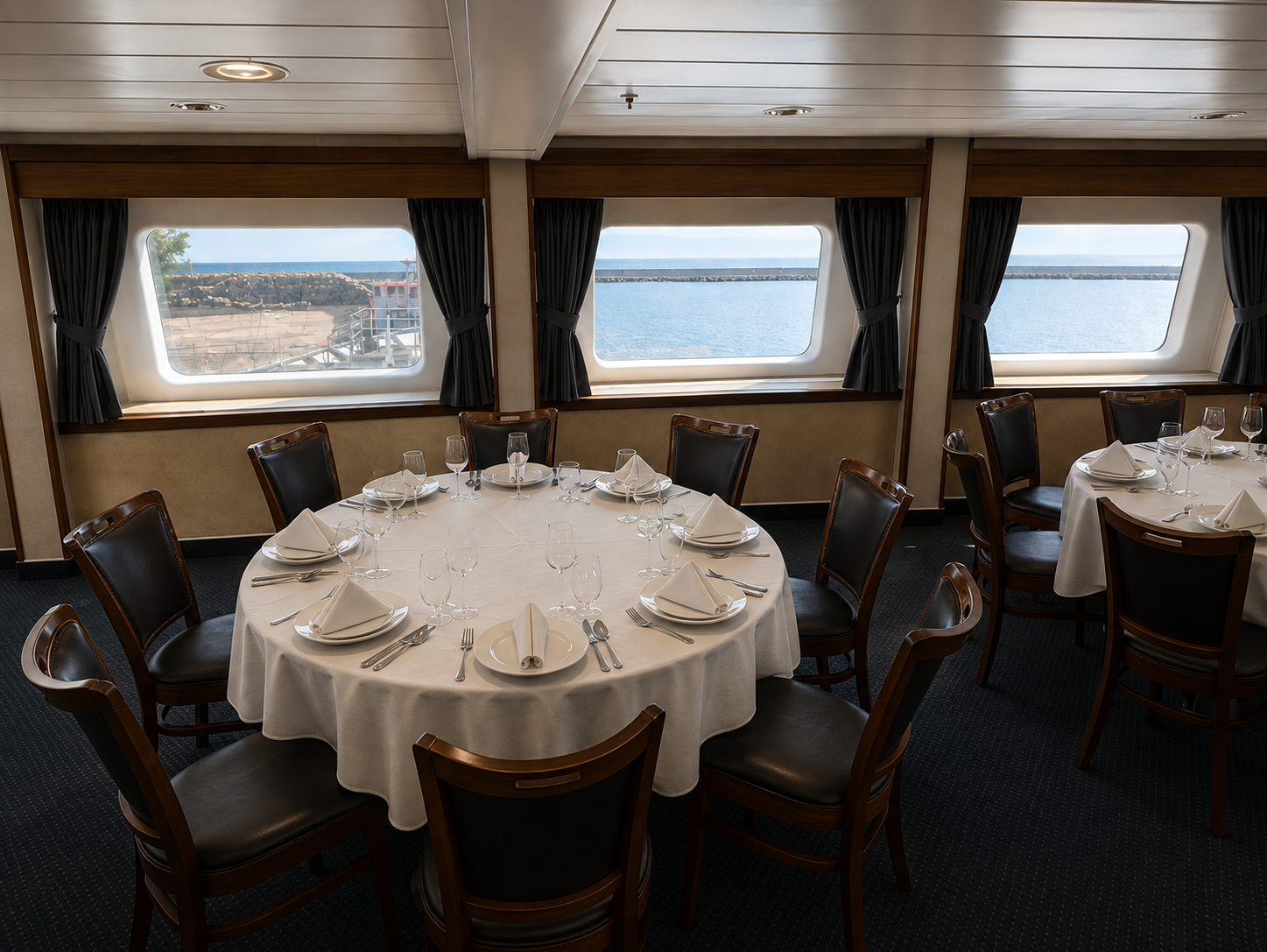
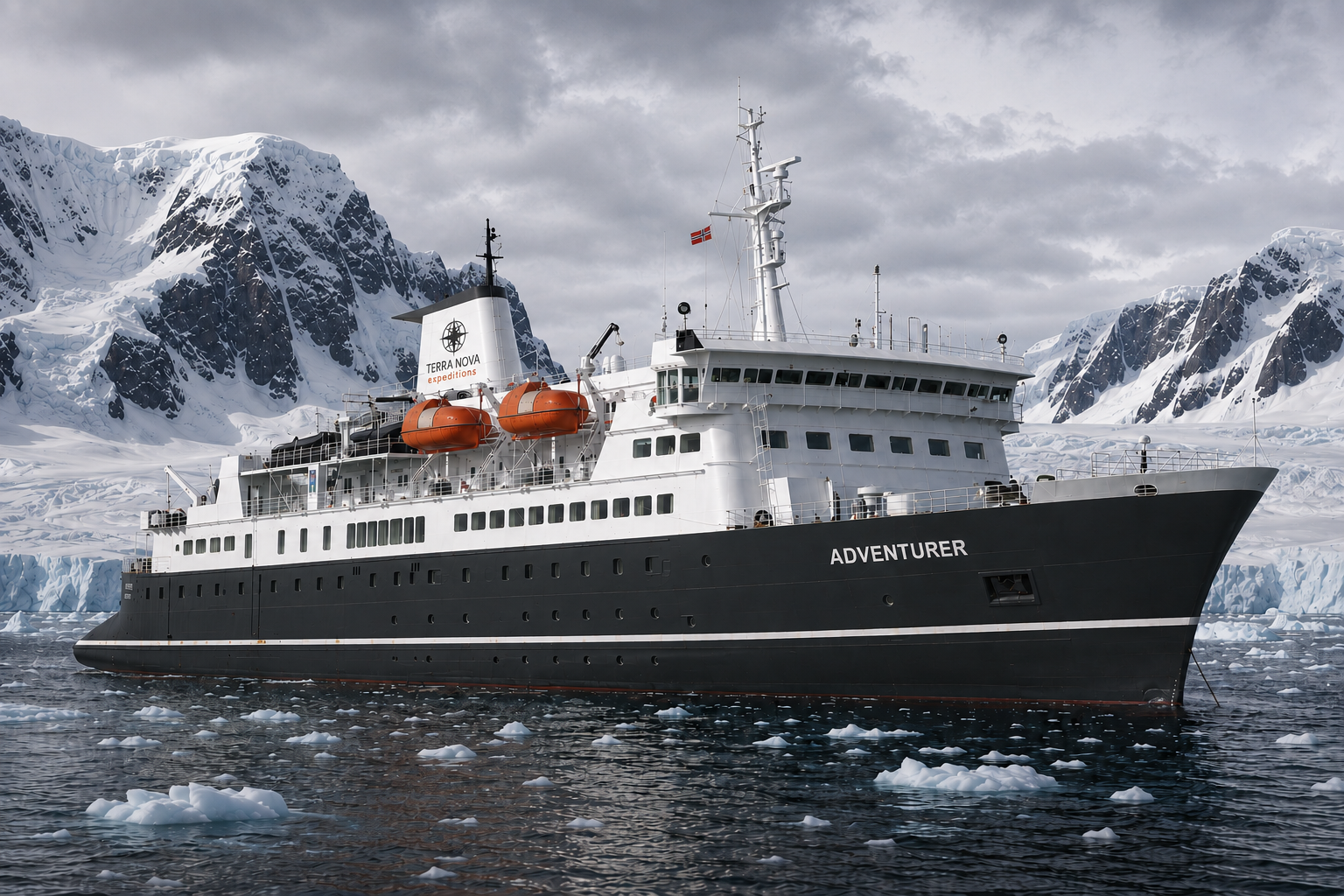
Your Ship:
The Terra Nova Adventurer
Proven in the Polar Regions.
Designed for Exploration.
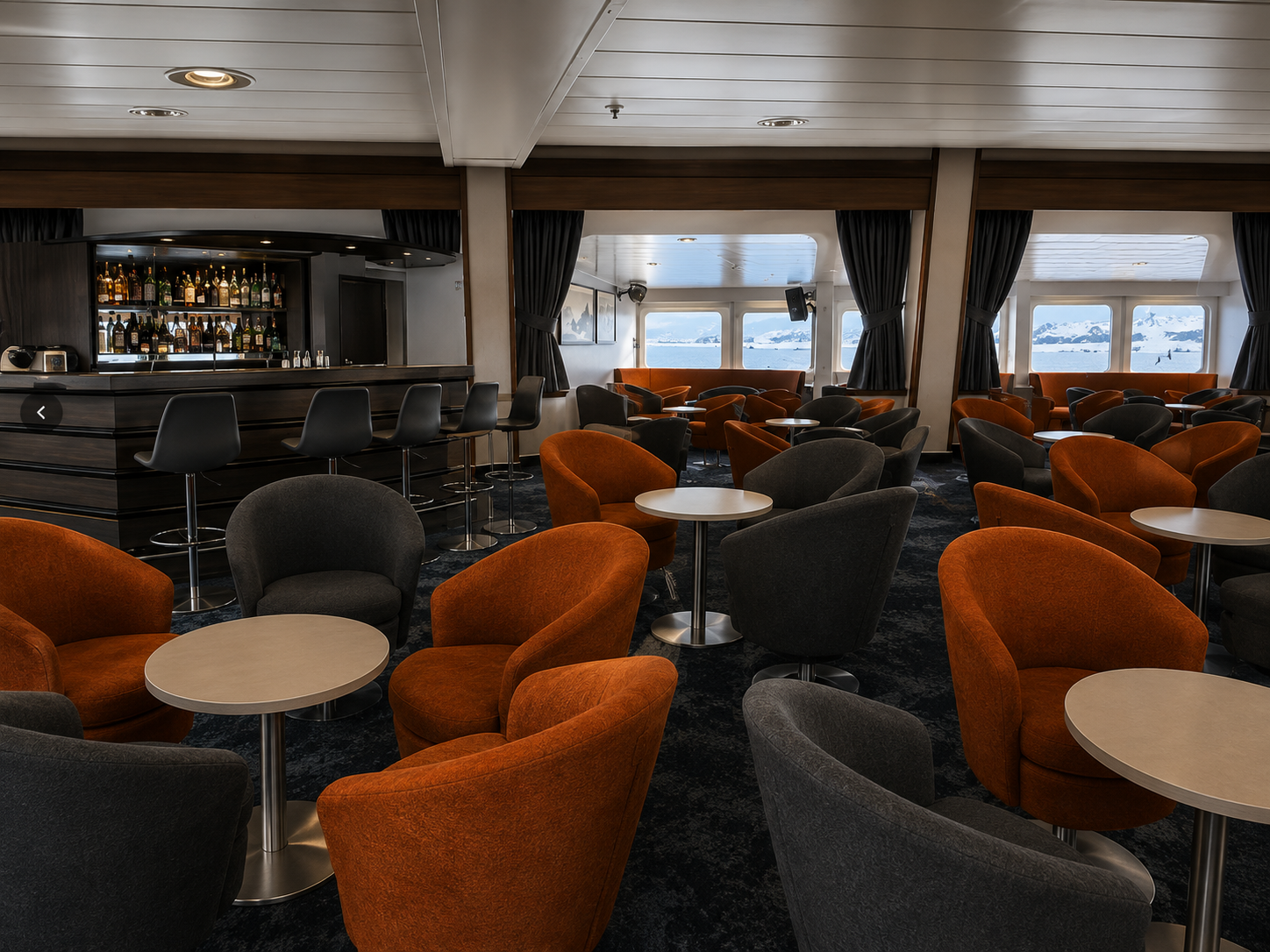
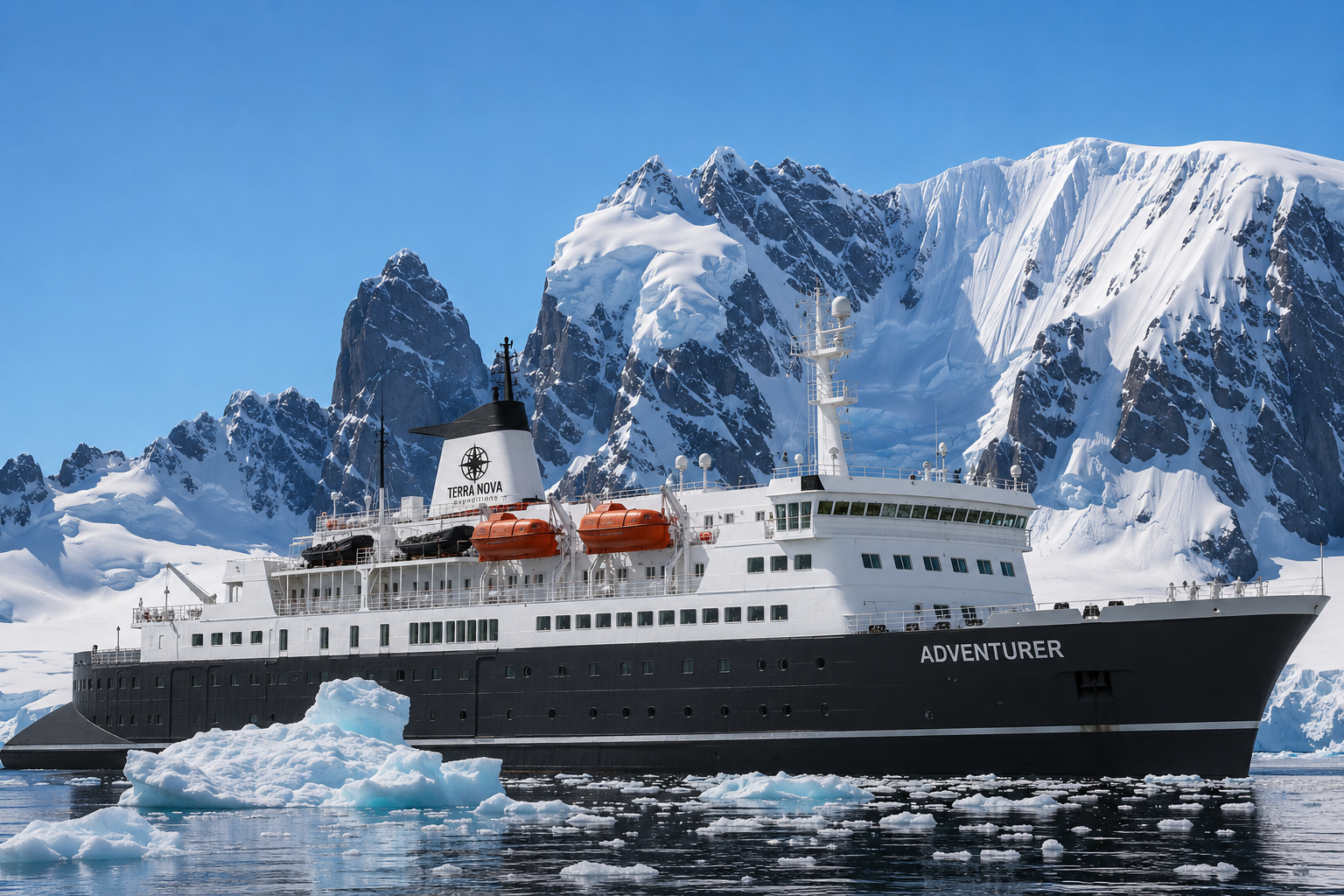
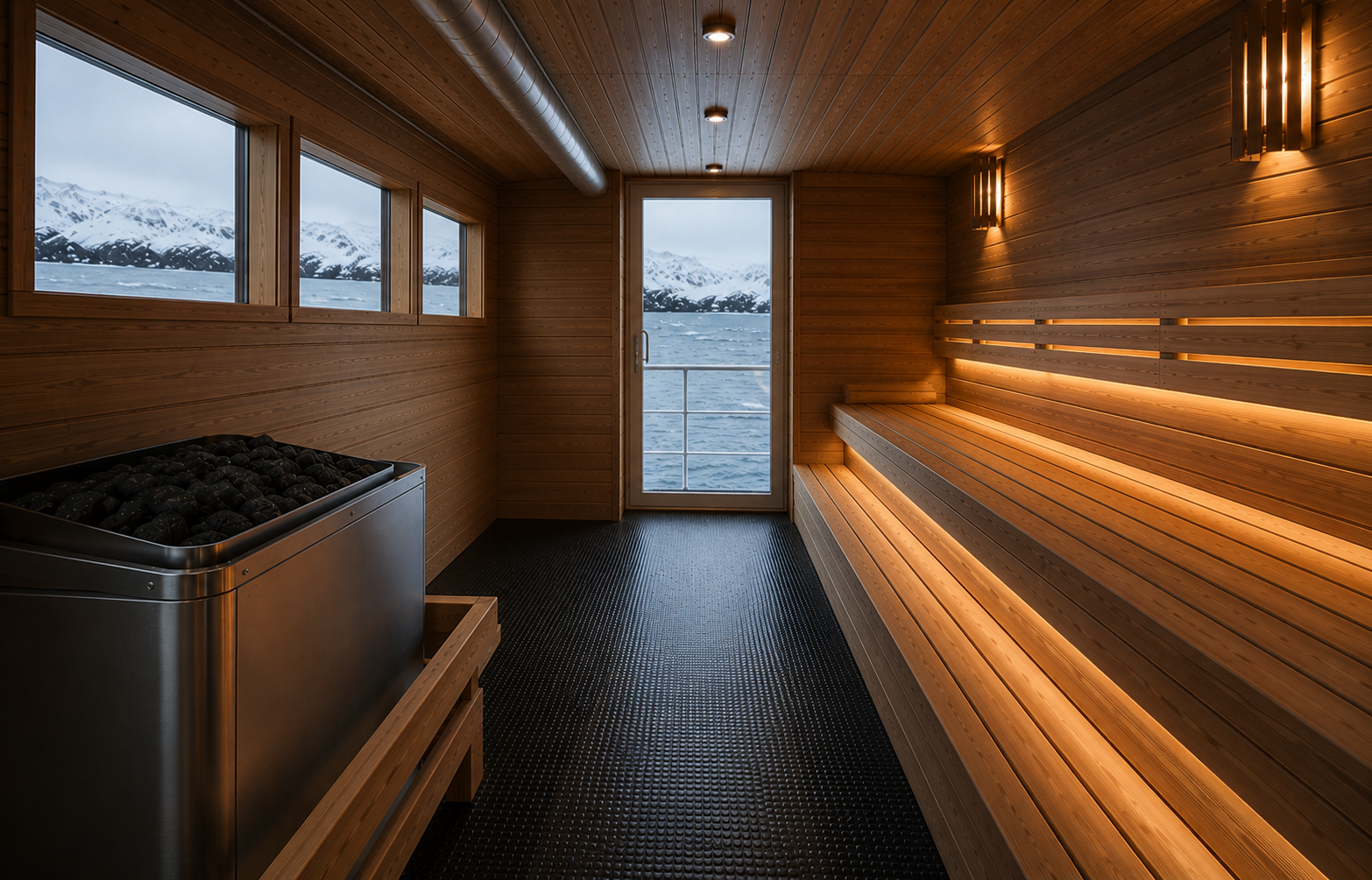
We carry an average of just 98.
More space. More expedition.
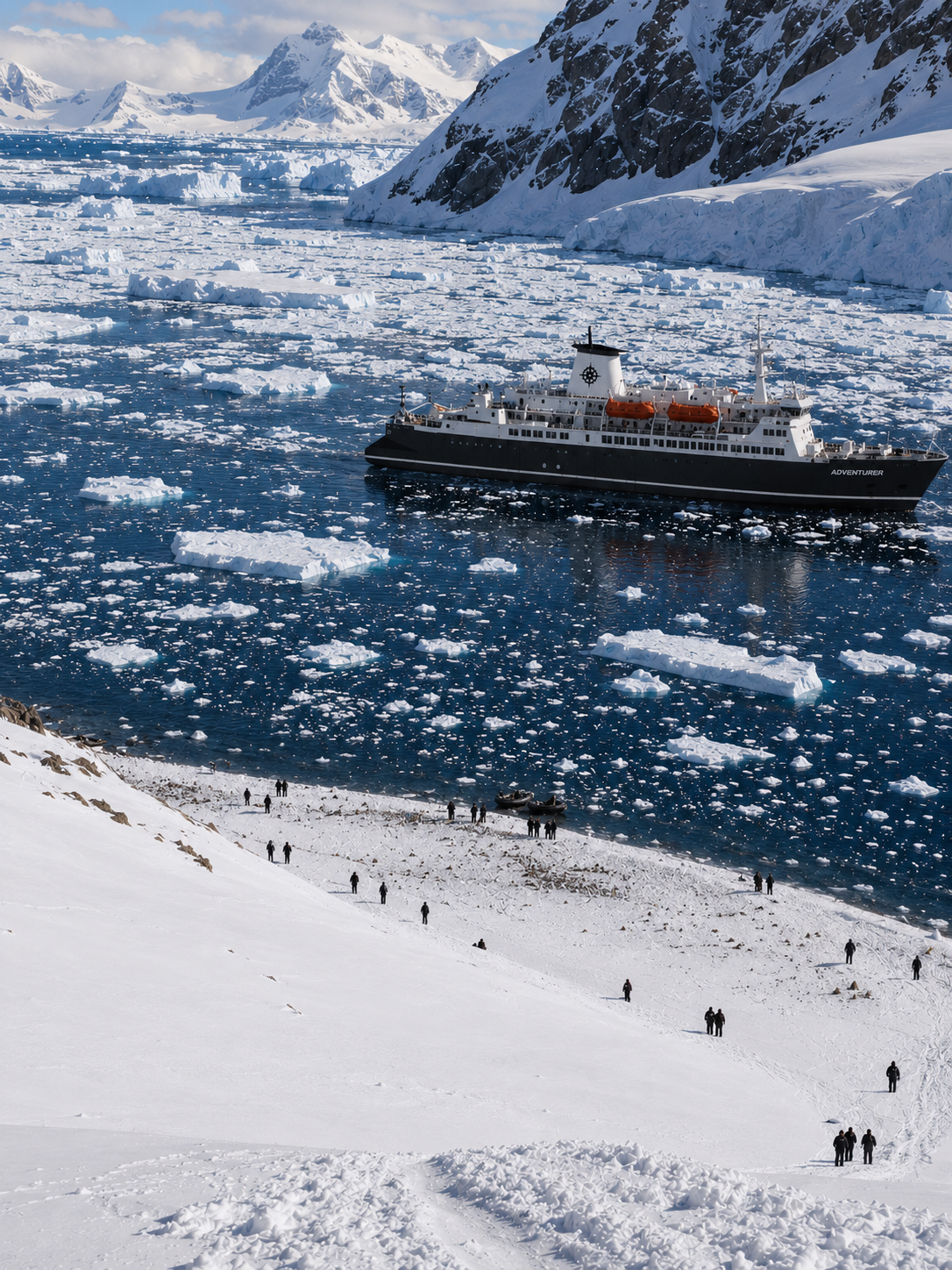
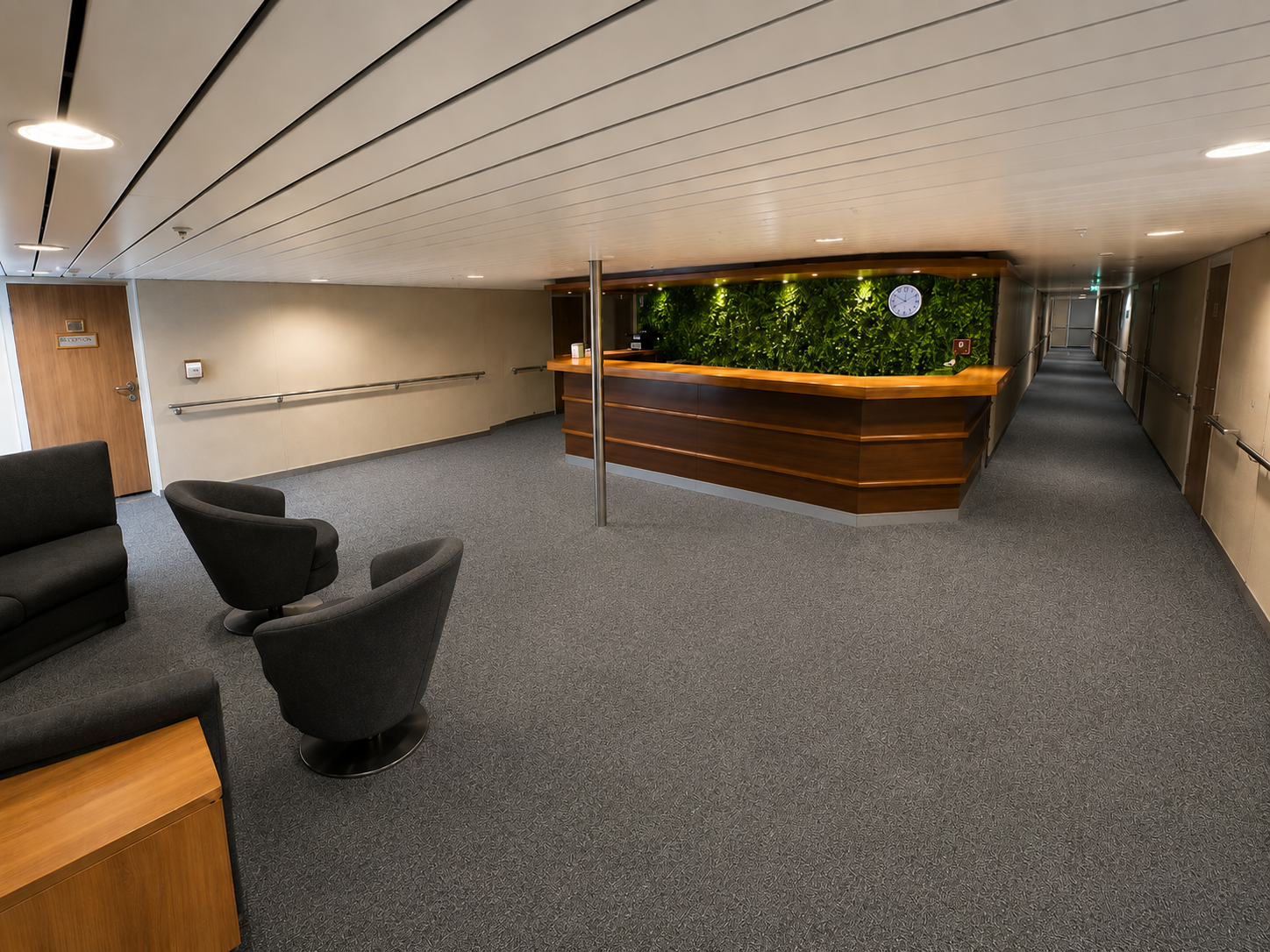
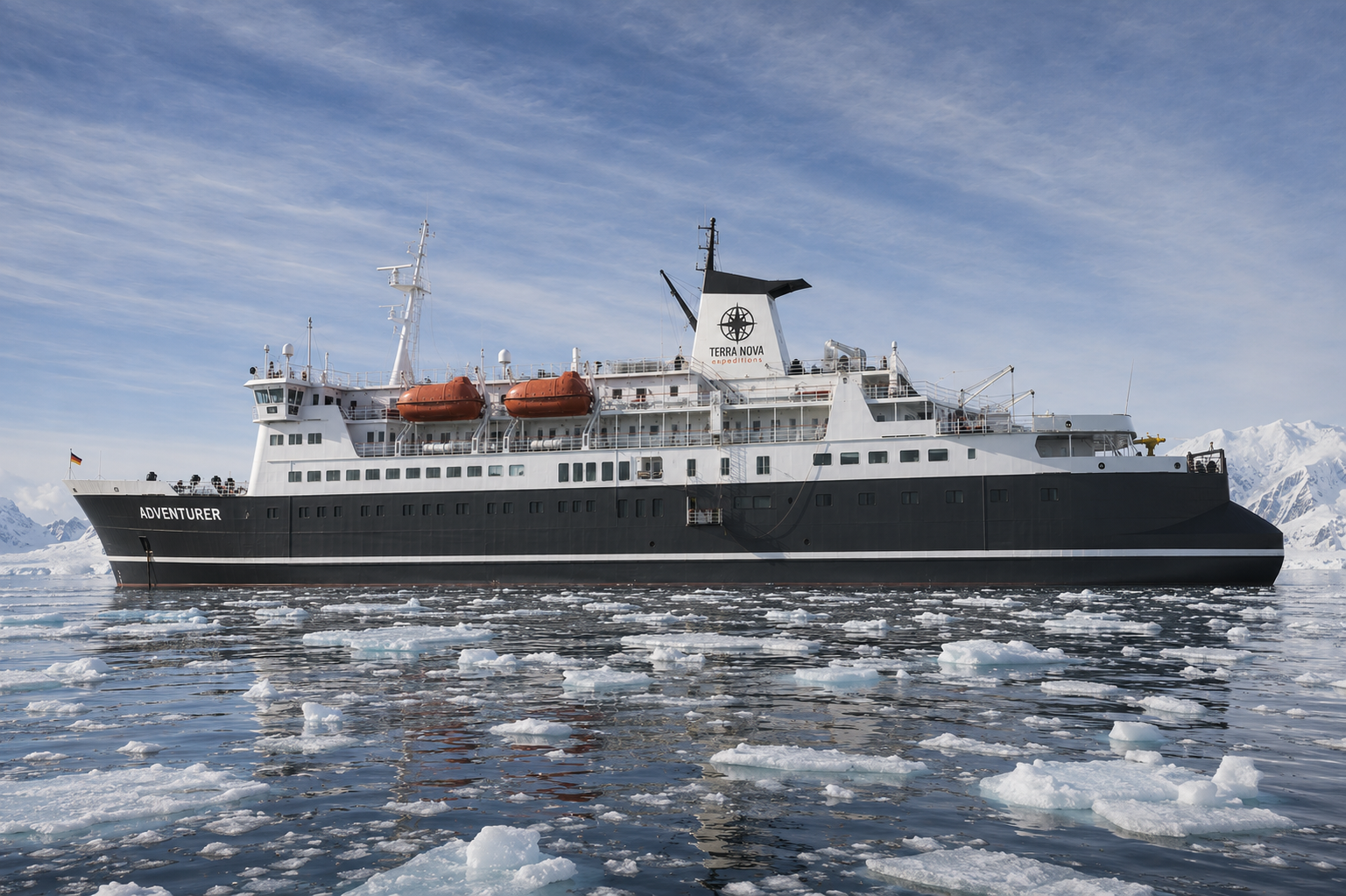
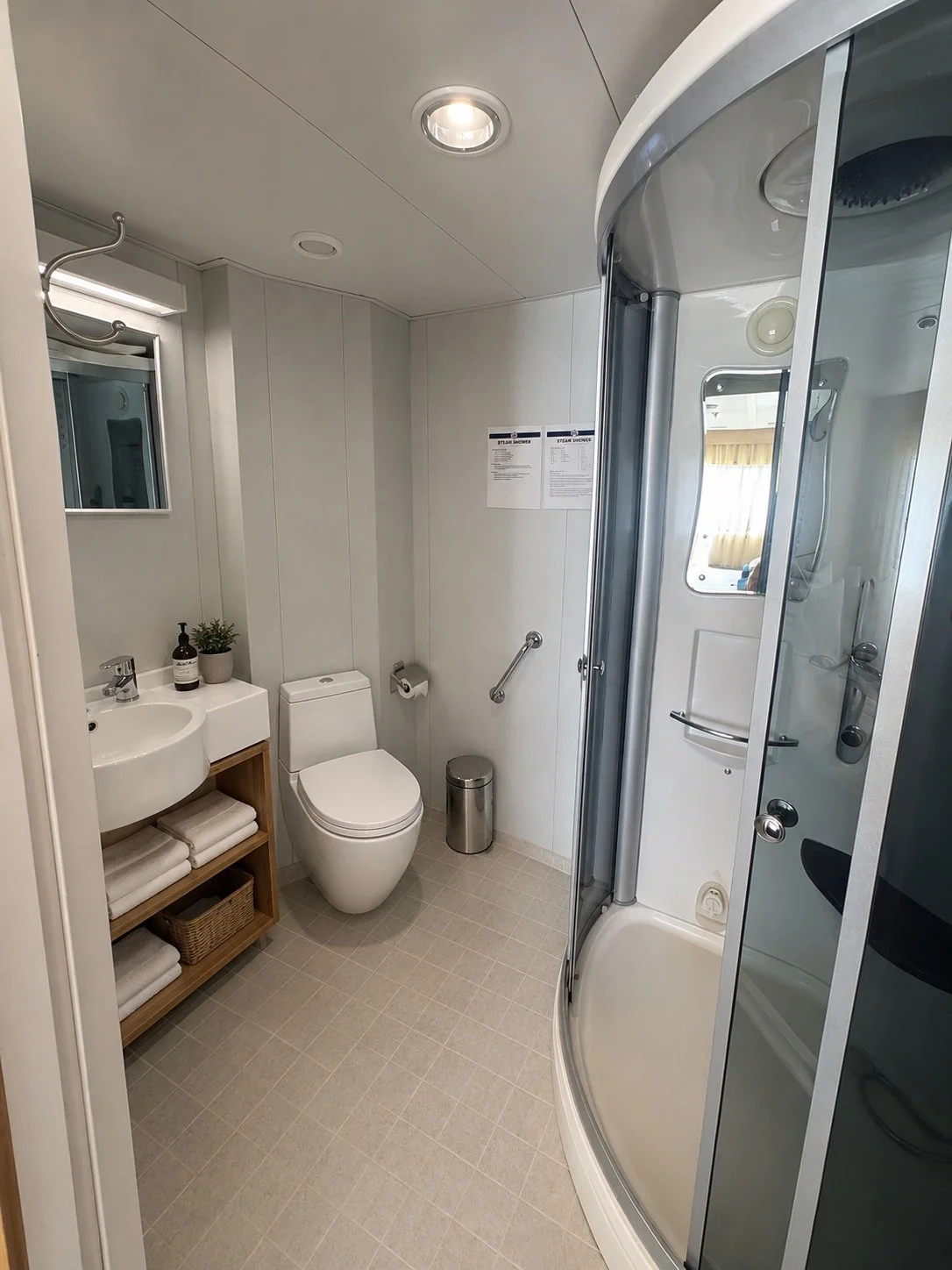

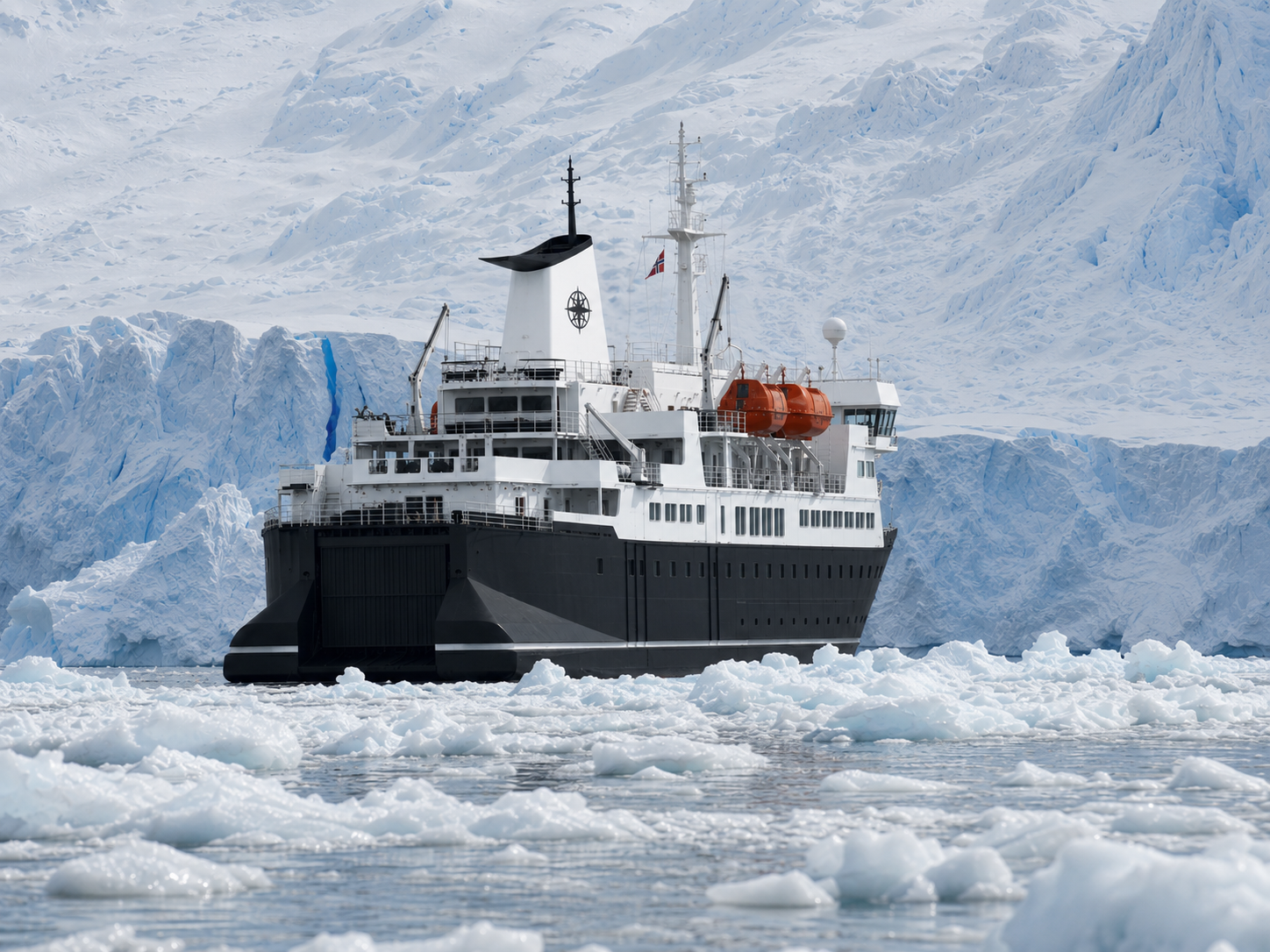
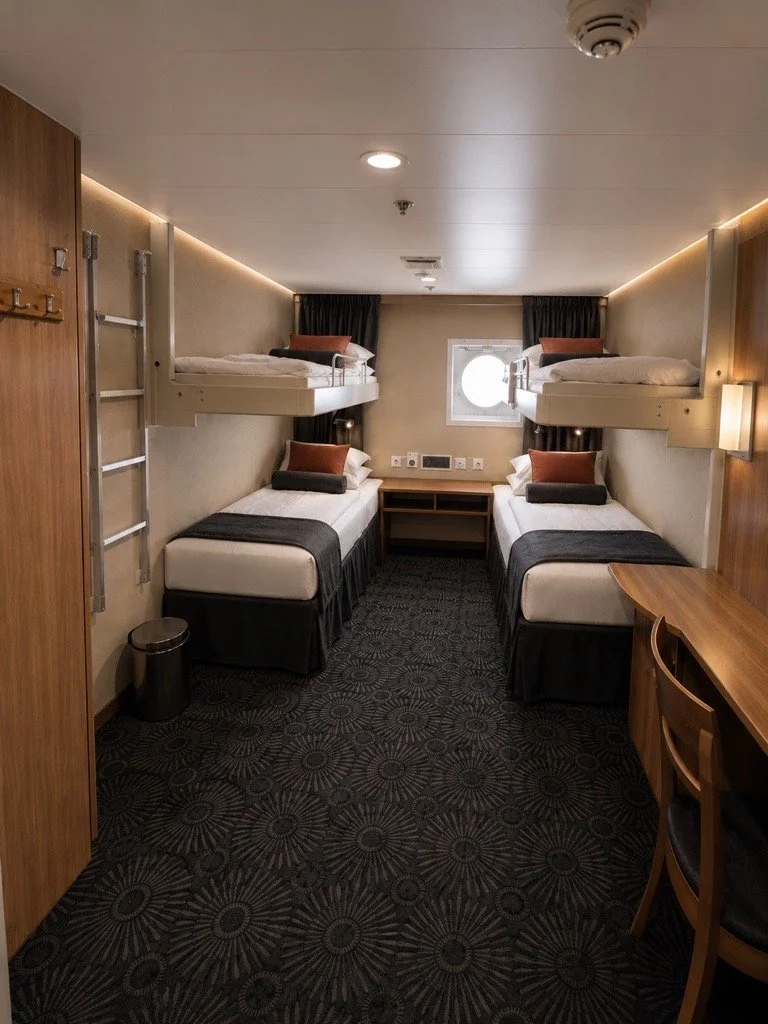
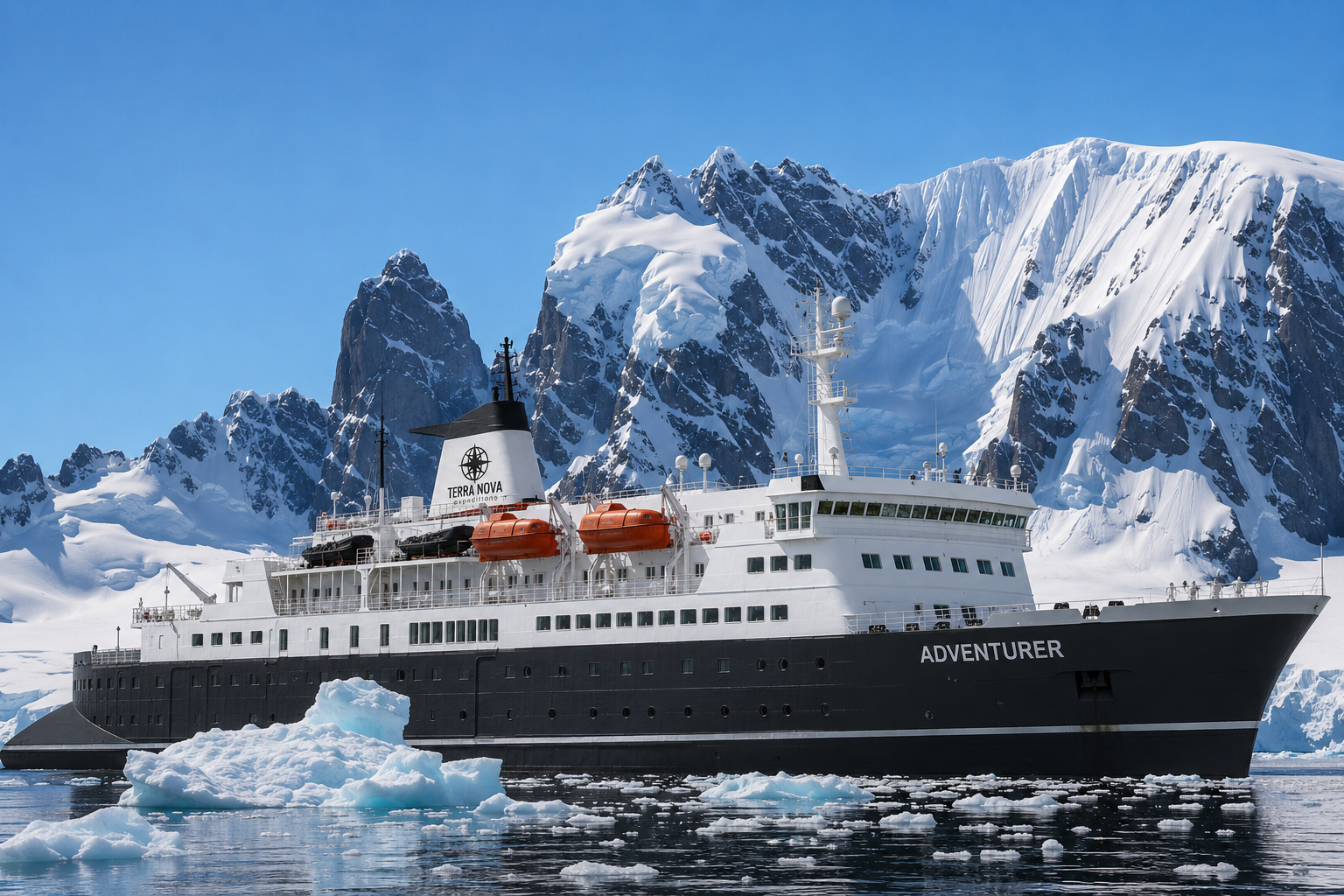
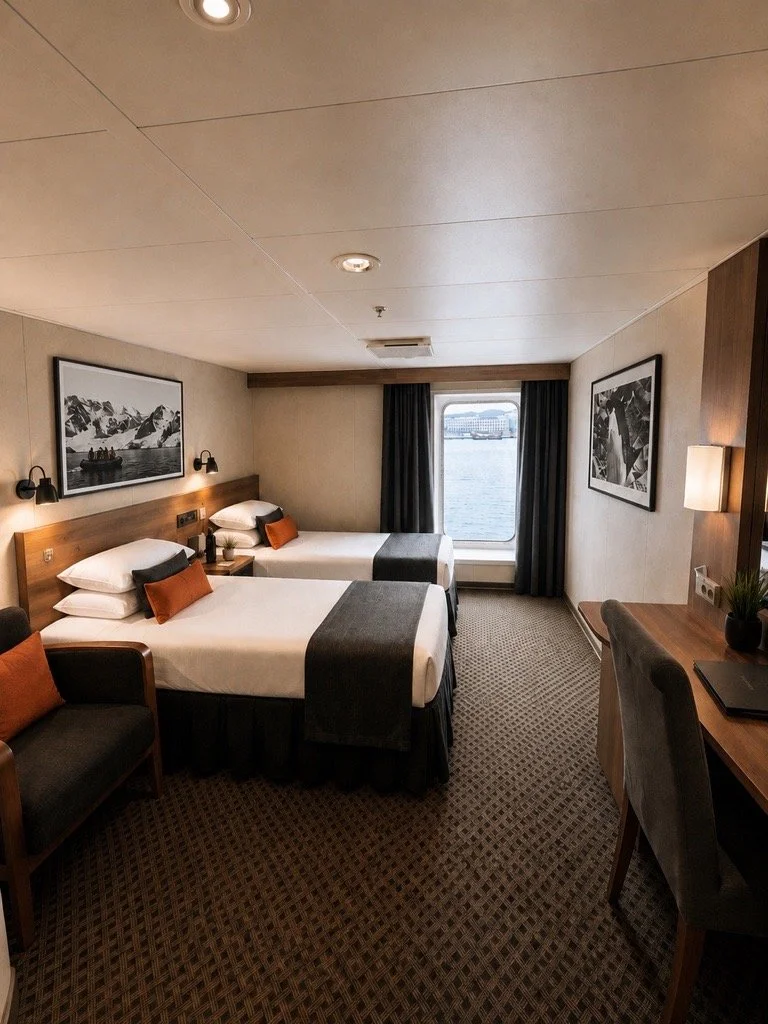
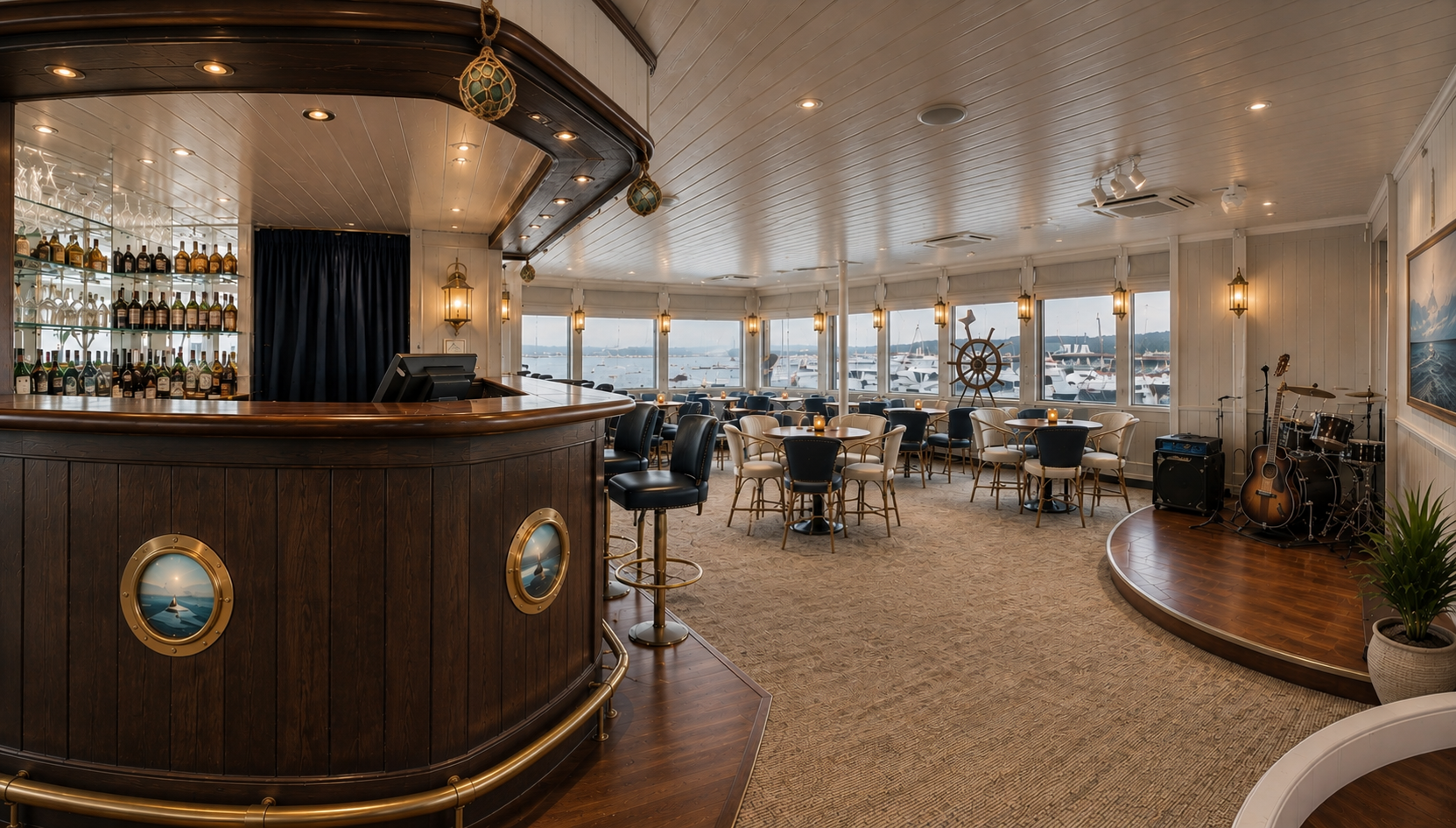
Guided by our experienced team on the ice.
The same passionate team, voyage after voyage. Naturalists, historians, and guides who have given their careers to this continent.
-
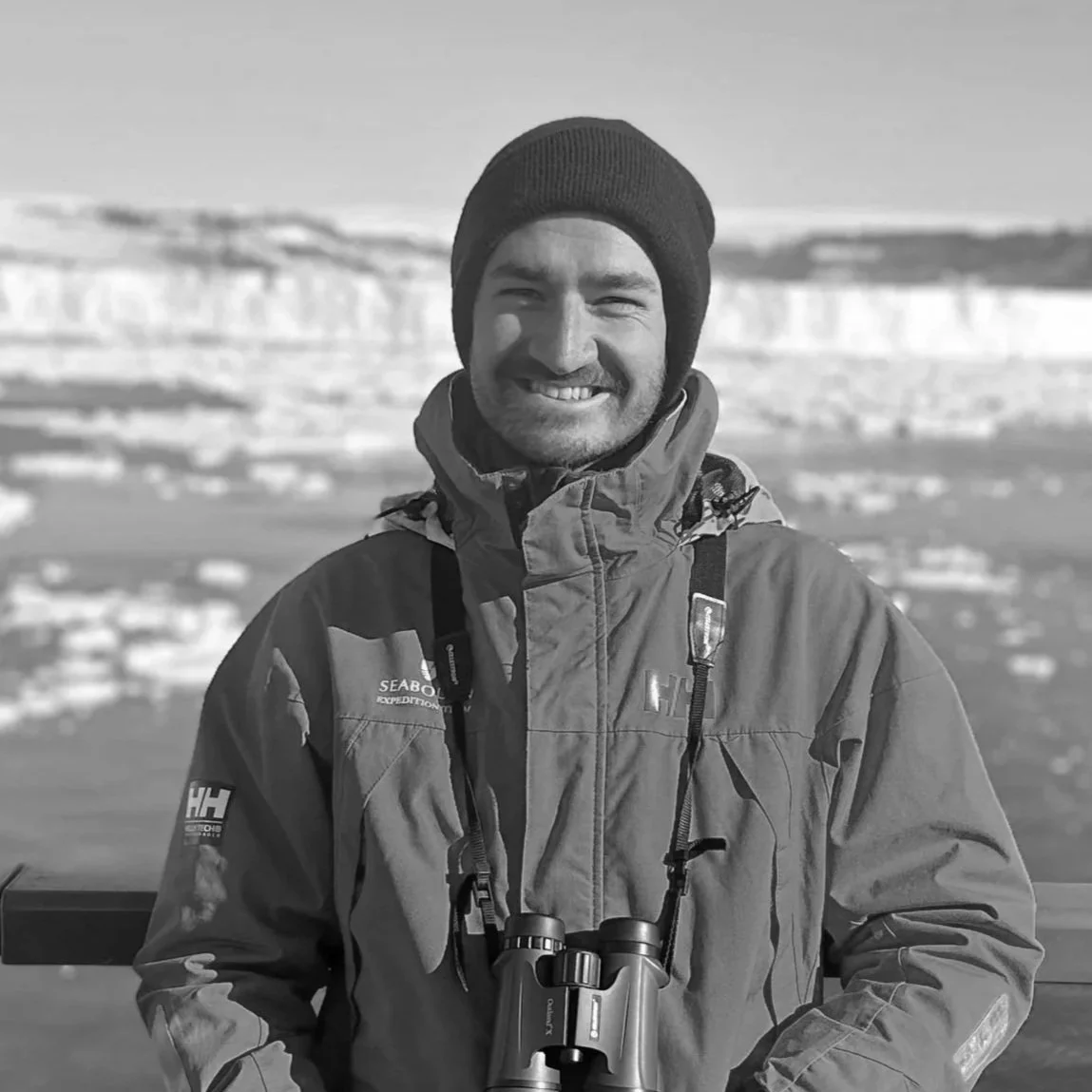
![Ryan Hope-Inglis]()
Ryan Hope-Inglis
Expedition Leader
Currently celebrating his 100th trip to Antarctica. Ryan brings a wealth of enthusiasm, passion and experience to Terra Nova Expeditions.
-
![Ida Olsson]()
Ida Olsson
Expedition Leader/Glaciologist
Ida has spent a decade living at 78° North in Svalbard. One of the last people to ski to the North Pole. When Ida says she knows the cold and remote, she means it personally.
-
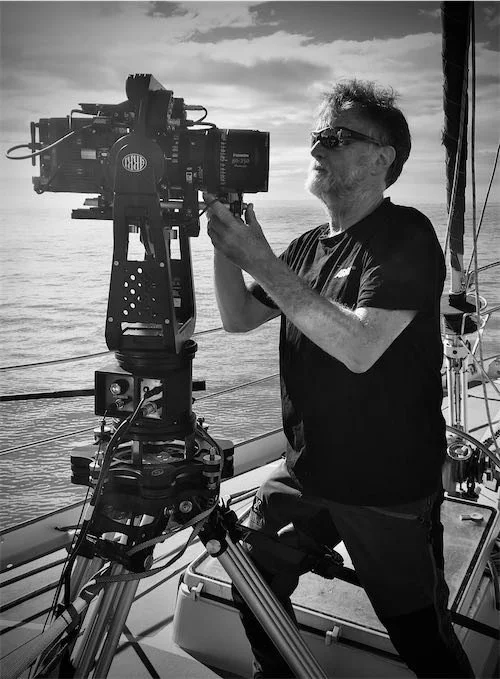
![David Baillie]()
David Baillie
Cinematographer & Guide
Dave is an award-winning Director of Photography capturing stories in some of the world’s most remote environments, with extensive experience in the polar regions and work on major BBC series like Planet Earth and Frozen Planet.
-
![Dr Jarrod Mckenna]()
Dr Jarrod Mckenna
Naturalist
Jarrod is a reproductive biologist, TED speaker, and expedition guide based in Melbourne. His research spans female reproductive health across species, and he brings his passion for science to inspire respect for the natural world and future scientists. -
![Gaby Pilson]()
Gaby Pilson
Expedition Leader/Geologist
Gaby is a seasoned expedition guide and outdoor educator with a background in geosciences, meteorology, and philosophy. She’s always ready to dive into all things polar over a good cup of coffee.
-
![Dr Sara Torres Ortiz]()
Dr Sara Torres Ortiz
Naturalist, Citizen Science Coordinator
Sara is a marine biologist and postdoctoral researcher, studying animal cognition and communication. She works with whales, dolphins, and porpoises worldwide and helps travelers connect with the natural world through informed, respectful wildlife encounters.


Your fare covers everything you need for the expedition itself:
- Accommodation in a fully serviced cabin throughout the voyage
- Three meals, all-day snacks, tea, coffee, and house beer, soda, and wine during dinner hours
- All shore excursions — guided walks, Zodiac cruises, and standard adventure activities including polar plunge, yoga, kayaking, camping and snowshoeing
- Expert expedition team of 12–14 guides, naturalists, and lecturers
- Expedition parka/shell for you to keep, plus rubber muck boots on loan
- Port fees, landing permits
- Gratuities for crew
- Basic Wi-Fi — upgrades available for a fee
Not included: flights, pre- and post-departure accommodations, personal onboard bar charges, boutique purchases, Wi-Fi upgrades and any optional activities not listed in the inclusions.
The Drake Passage typically takes around 2 to 2.5 days to cross each way, depending on weather and sea conditions. While it is known for variable conditions, Terra Nova Adventurer is equipped with stabilisers that help reduce movement and maintain stability throughout the crossing.
Conditions can range from a calm “Drake Lake” to a more active “Drake Shake,” but either way, it’s considered an iconic part of the journey and a memorable prelude to reaching Antarctica.
To help you stay informed about current conditions in the Drake Passage, you can follow updates via this link.
To help you prepare, we recommend reviewing our FAQ section: “What seasickness precautions do you recommend?”
You don't need to be an athlete, but you should be in good general health and comfortable with moderate physical activity. Shore landings involve boarding Zodiacs from a moving platform, stepping onto uneven or slippery rocks, and walking on snowy or uneven terrain.
We offer a range of activities suitable for different ages and ability levels. Adventure activities like kayaking and snowshoeing are optional.
All guests are required to complete a pre-departure medical form, which is reviewed by our onboard doctor. In certain cases, we may request a clearance or waiver from your general practitioner. In rare instances, our onboard doctor may determine that participation is not possible for safety reasons.
If you have specific health concerns, we recommend speaking with your doctor before booking and contacting us to discuss your needs.
Terra Nova Adventurer runs small-ship expeditions, with an average of just 98 passengers aboard, supported by an experienced crew and an expedition team of 12–14 specialists. This size keeps the experience genuinely expedition-like: small enough for a community feel, yet large enough for a full programme of activities and expertise onboard.
Passengers typically range in age from 35–65, with an average age of around 45. We welcome travellers from all backgrounds, with most coming from Europe, North America, Australia, and Asia.
Full details of our deposit requirements and cancellation policy are set out in our Terms & Conditions . We strongly recommend purchasing comprehensive travel insurance that includes cancellation cover. We require coverage for medical emergencies and evacuation — given the remote nature of Antarctic expeditions, this is essential rather than optional.
If you have questions about a specific voyage or booking, speak with our team — we're happy to walk you through everything before you commit.
We aim to make two landings per day in the South Shetland Islands and along the Antarctic Peninsula, using our fleet of 12 Zodiacs. With over 500 possible landing sites in the region, no two voyages are ever identical.
Antarctica is a wilderness and no itinerary is guaranteed. The Captain and Expedition Leader will adjust the programme based on weather, ice conditions, and wildlife opportunities — always prioritising the best possible experience. Flexibility is part of what makes Antarctic travel genuinely exploratory.
Terra Nova Adventurer carries a licensed physician and a stocked infirmary for the duration of the voyage. The clinic is designed to handle first aid and general medical needs, with the ability to provide initial care and assessment should more complex treatment be required.
Given how remote Antarctica is — evacuation to a mainland hospital can take several days or may not be possible — we require all passengers to hold comprehensive travel insurance that includes medical emergency and evacuation cover. All evacuation costs are the passenger's responsibility.
Most of our Antarctic expeditions embark in Ushuaia, Argentina, the world's southernmost city and the main gateway to Antarctica. However, some itineraries operate from a different departure port. For example, the 15 October 2027 Kingdom of Kings departure embarks in Montevideo, Uruguay and finishes in Ushuaia, while the 26 January 2028 Kingdom of Kings departure operates round-trip from Ushuaia.
We strongly recommend arriving at least one day prior to your departure date to allow for potential travel delays. Boarding is generally scheduled for the afternoon, but your exact embarkation time, meeting point and luggage-drop arrangements will be confirmed in your embarkation letter approximately 30 days before departure.
Disembarkation is typically in the morning on the final day. Avoid booking early onward flights. Any applicable transfer arrangements will be confirmed in your final travel documents.
Yes, we can assist with domestic flights to Ushuaia as part of our optional pre- and post-cruise services, but flights are not included in the cruise fare by default.
We also offer a range of curated pre- and post-cruise excursions, which can be added to enhance your overall journey. These services are available as optional add-ons, and our team can help arrange and coordinate them for you. Learn more here.
Still have questions? Speak with our team about a specific voyage or booking — we're happy to walk you through everything before you commit.