Cape Verde to Scotland · North Atlantic
Islands of the North Atlantic
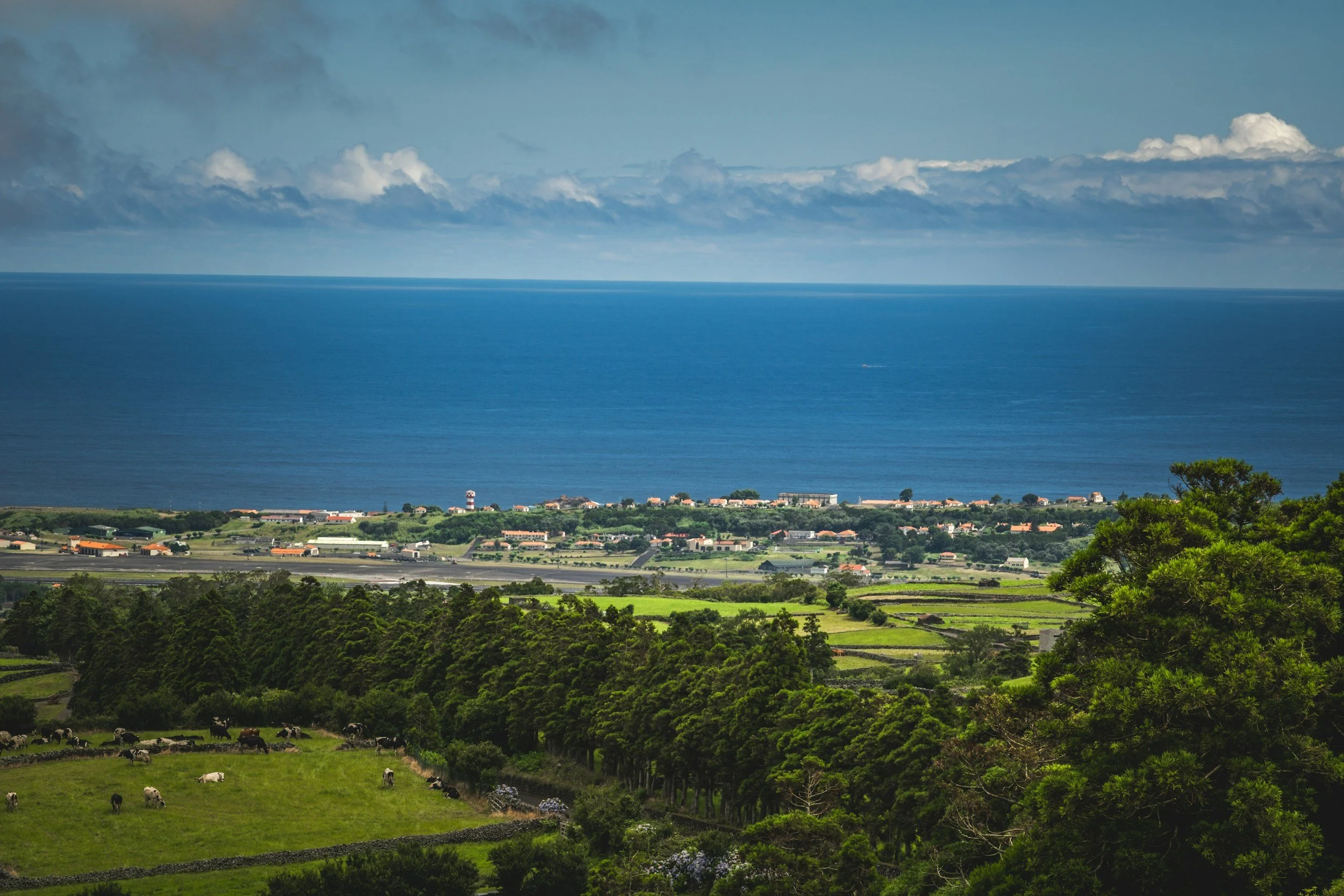
Twenty-two nights across the islands of the North Atlantic. Sail from sunny Cape Verde through Madeira and the Azores to the wild Hebrides and Orkney — volcanic peaks, seabird cliffs and 5,000 years of island history.
Expedition OverviewIslands of the North Atlantic is a 23-day voyage from Sal in Cape Verde to Aberdeen in Scotland, linking six island groups across 22 nights: Cape Verde, the Canaries, Madeira, the Azores, the Hebrides and Orkney, with calls in Ireland and on the Isle of Man along the way.
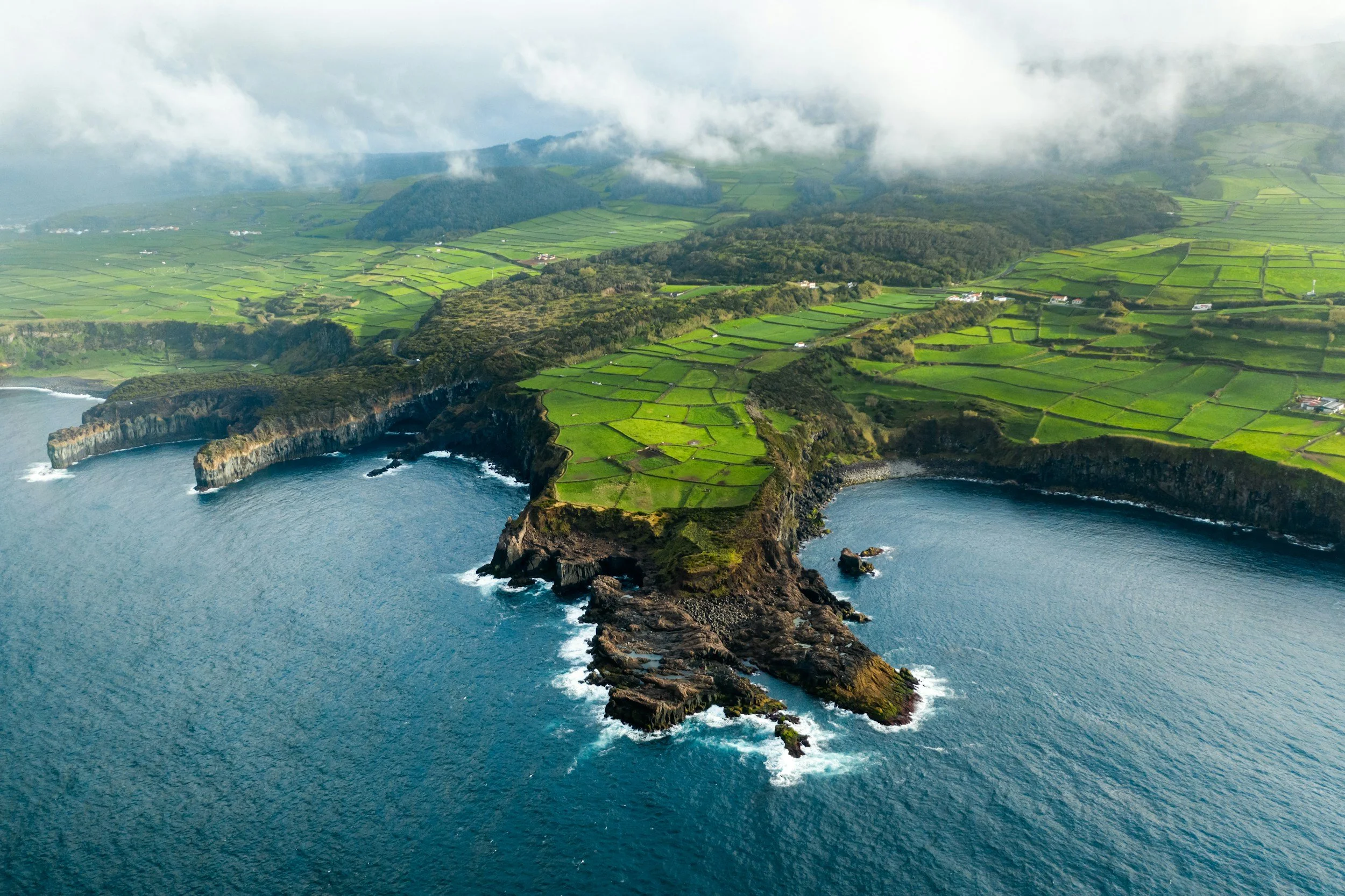
We begin in the trade winds of Cape Verde, with music-filled Mindelo, then run north to Tenerife beneath Mount Teide, Madeira's terraced hillsides and the crater lakes and hot springs of the Azores. After three days of deep-water whale country we reach Kinsale in Ireland and the Isle of Man, home of Tynwald, before the voyage turns wild: Zodiac landings at Iona and Staffa, Skye's Old Man of Storr, the white sands of Harris, the Calanais standing stones on Lewis and, weather permitting, Hirta on St Kilda.
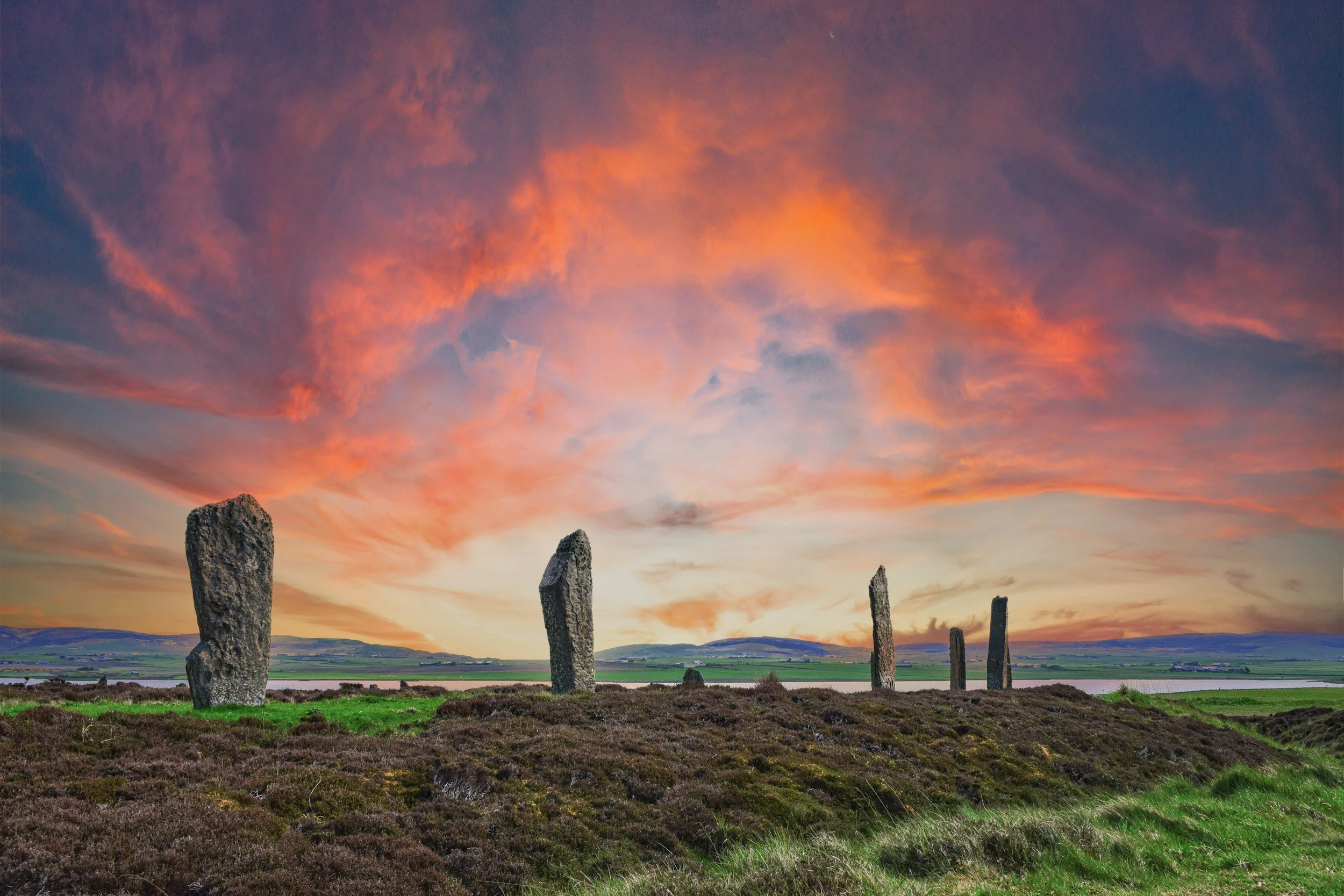
We finish in Orkney with Skara Brae and the Ring of Brodgar, then sail into Aberdeen. Wildlife may include whales, dolphins, flying fish and vast seabird colonies of gannets, puffins, guillemots and great skuas.
Our route is a plan, not a promise: the expedition team chooses each day's landings and cruising according to weather, sea conditions and local permissions.
SIX ISLAND GROUPS, ONE VOYAGE — 22 NIGHTS FROM CAPE VERDE TO SCOTLAND.

HIGHLIGHTS
- Six island groups in one voyage: Cape Verde, the Canaries, Madeira, the Azores, the Hebrides and Orkney
- Deep-water whale country on the open Atlantic crossing to Ireland — sperm, fin and sometimes blue whales — plus dolphins and vast seabird colonies
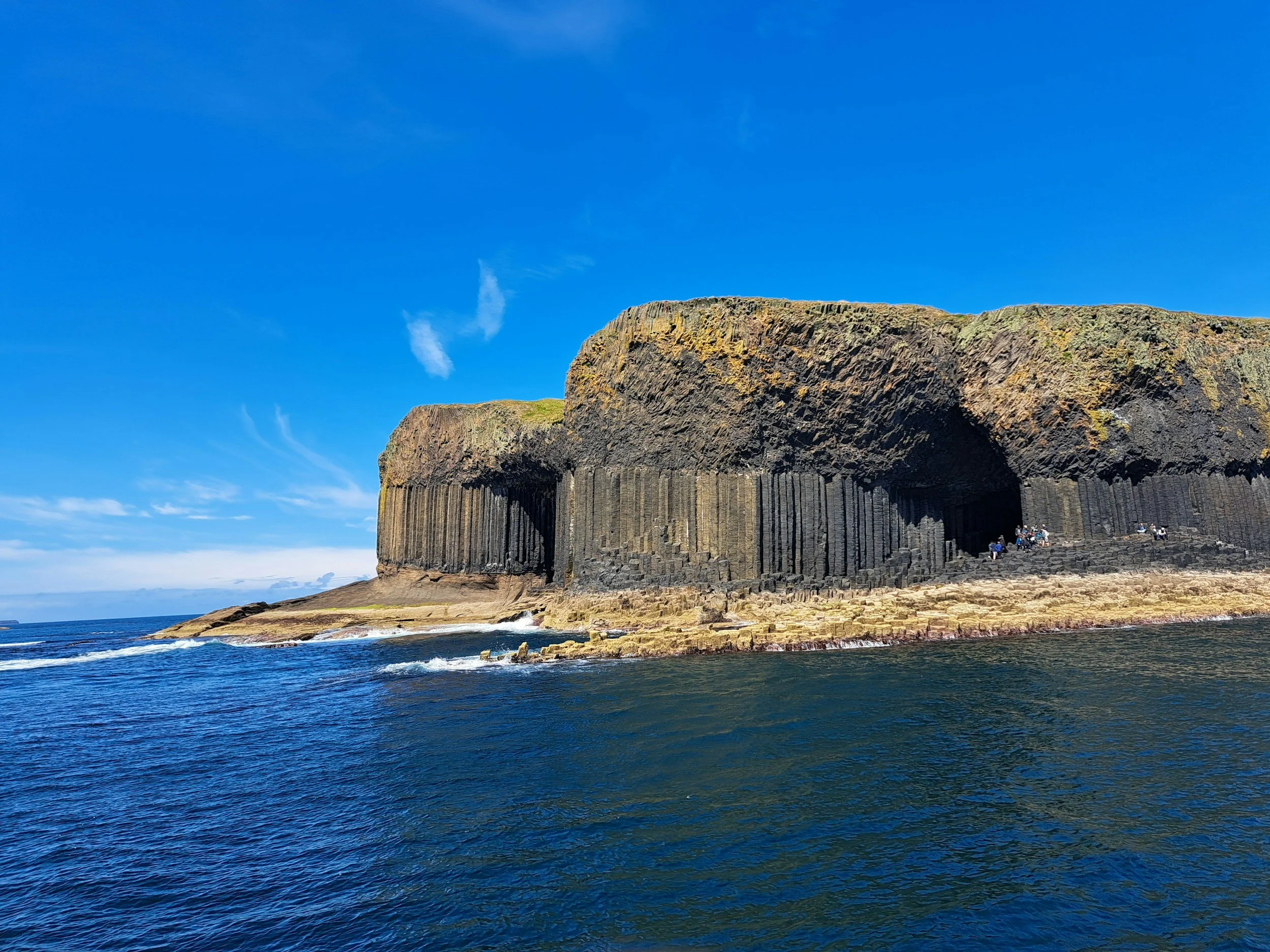
- Zodiac landings at Iona, where St Columba founded his monastery in 563, and Staffa's basalt Fingal's Cave, weather permitting
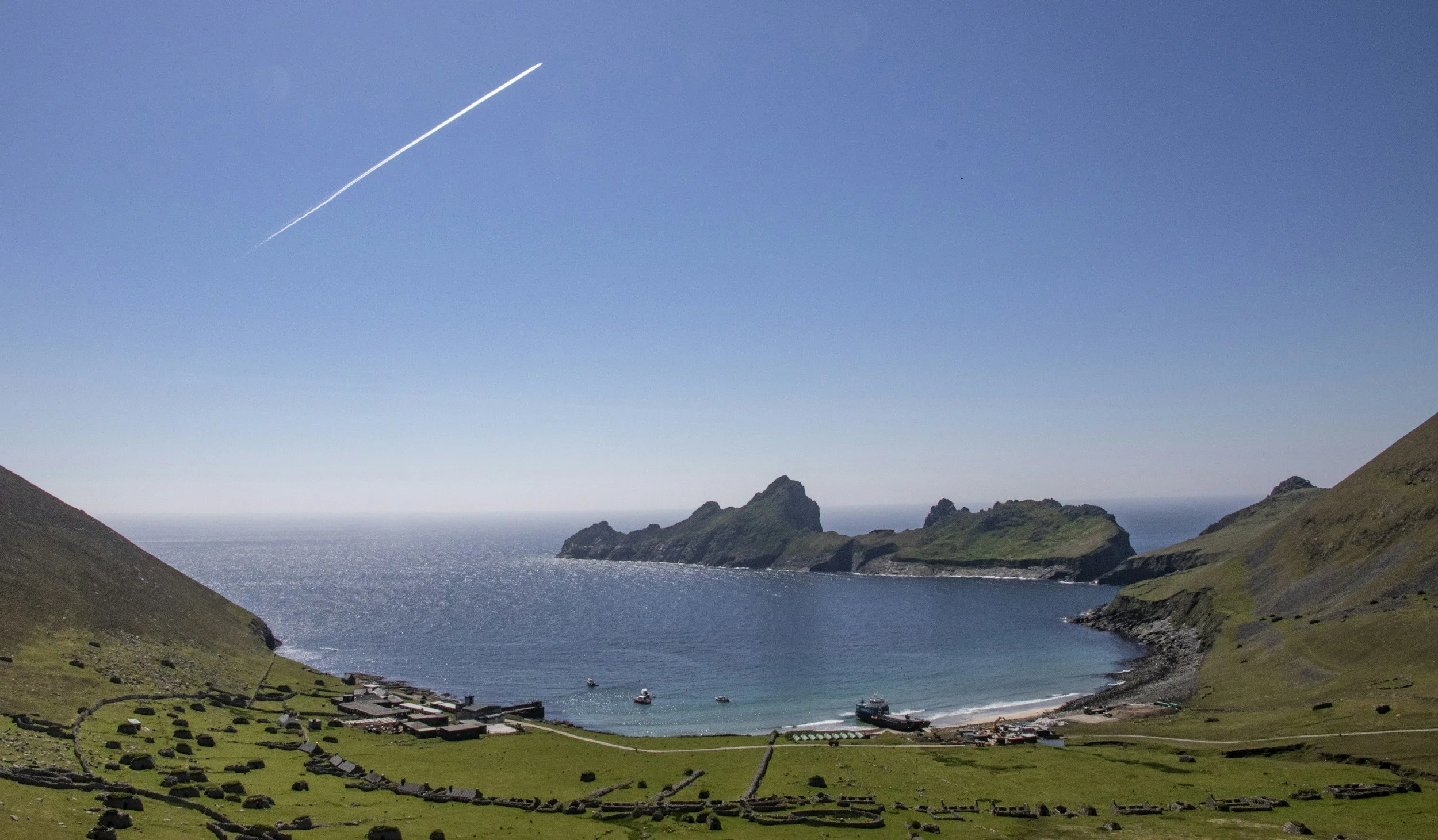
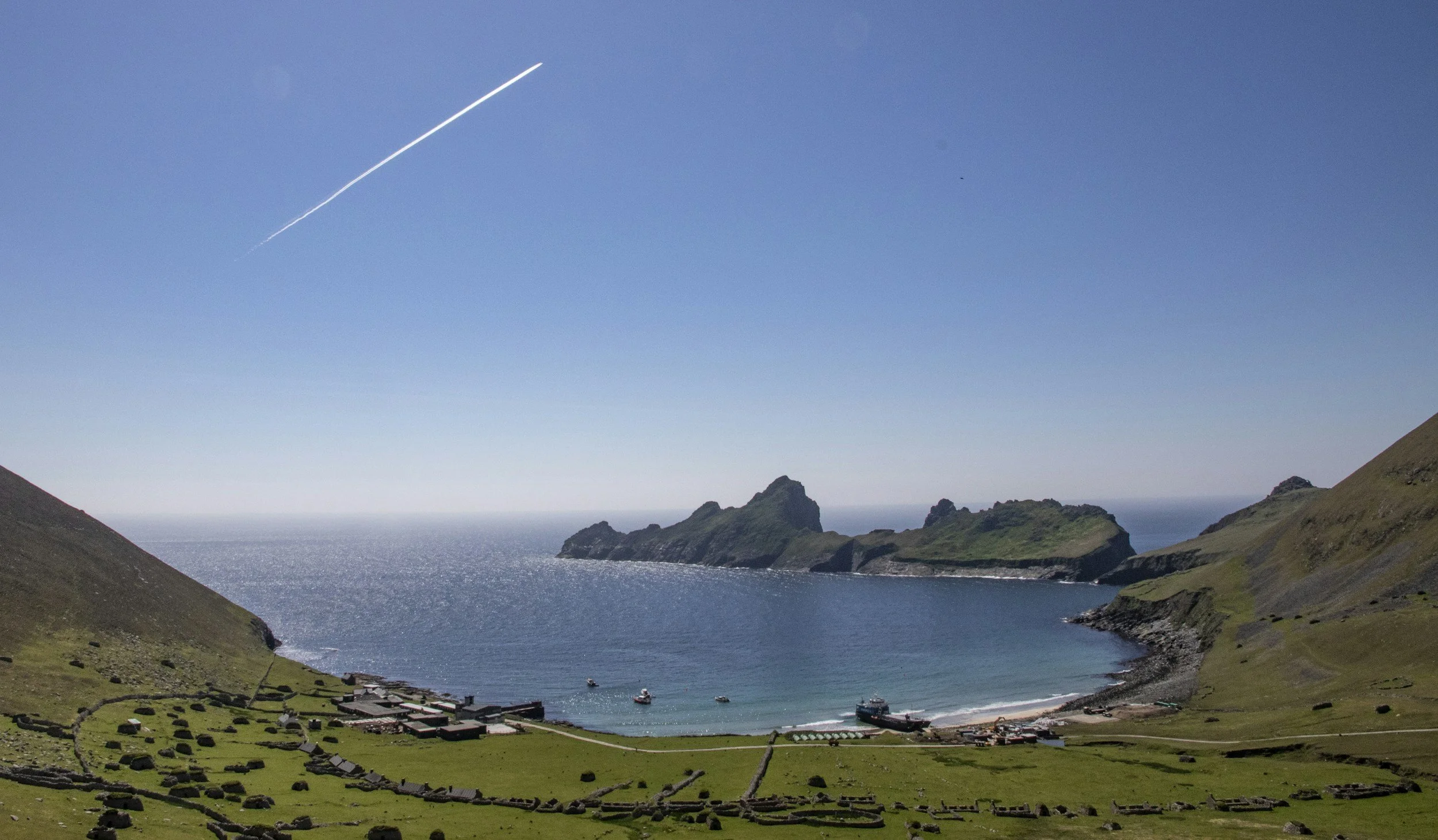
- Hirta on St Kilda, beneath Britain's highest sea cliffs and the world's largest gannetry, if the weather allows
- Orkney's Neolithic heart: Skara Brae, the Ring of Brodgar and St Magnus Cathedral
- Expert-led landings and lectures on the islands' volcanic origins, the navigators who charted them and the Celtic and Norse peoples who settled them
ITINERARY
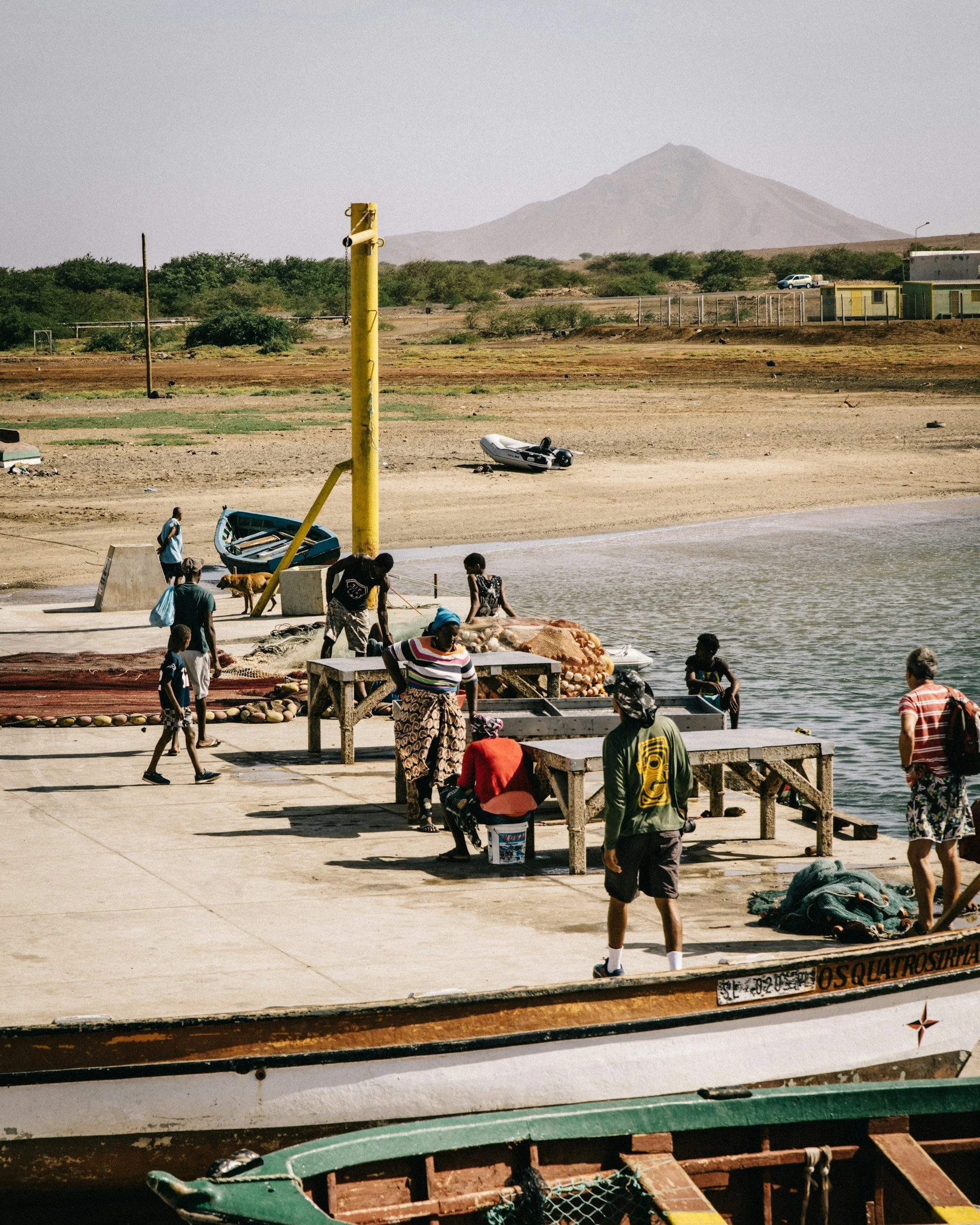
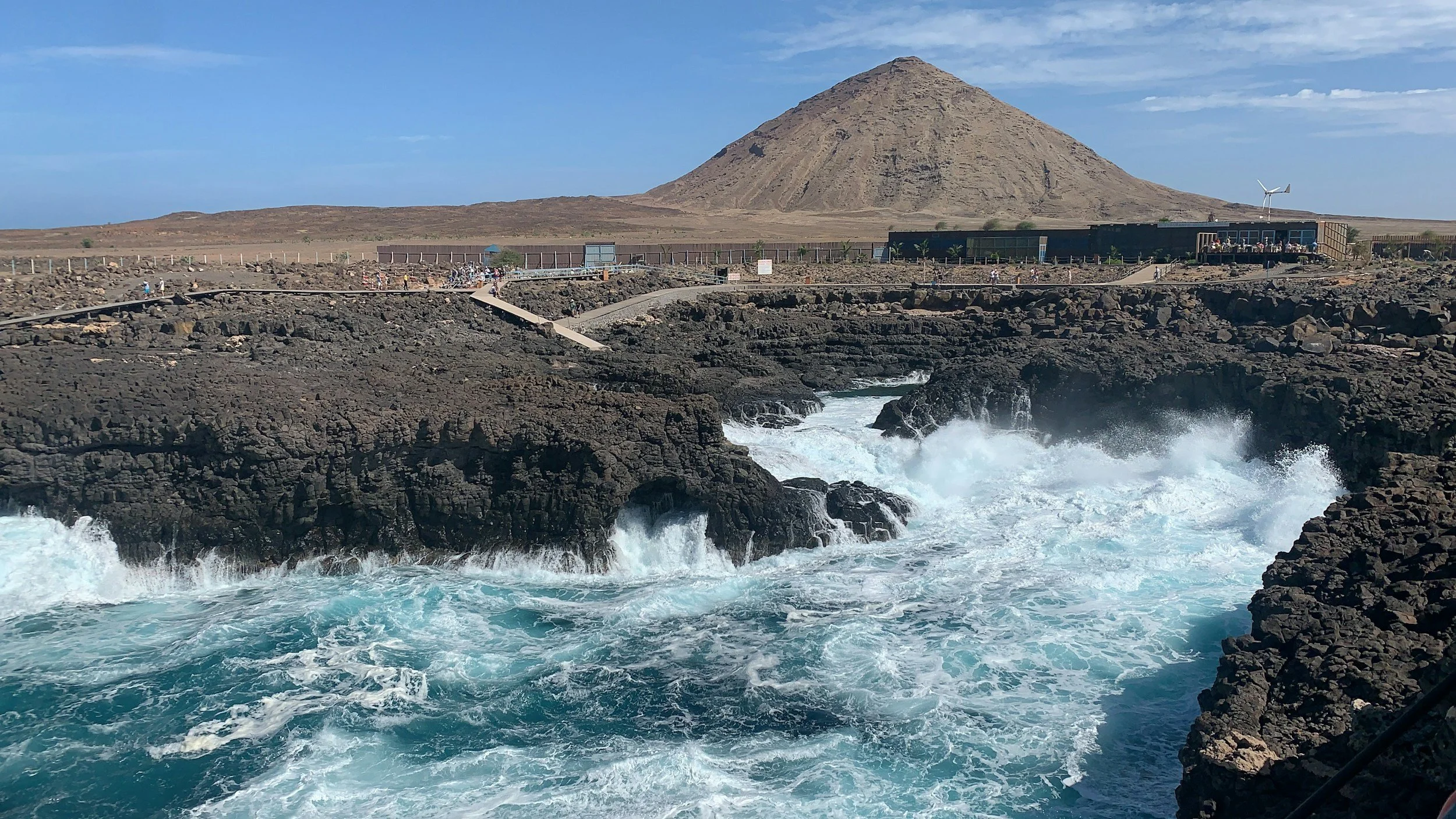
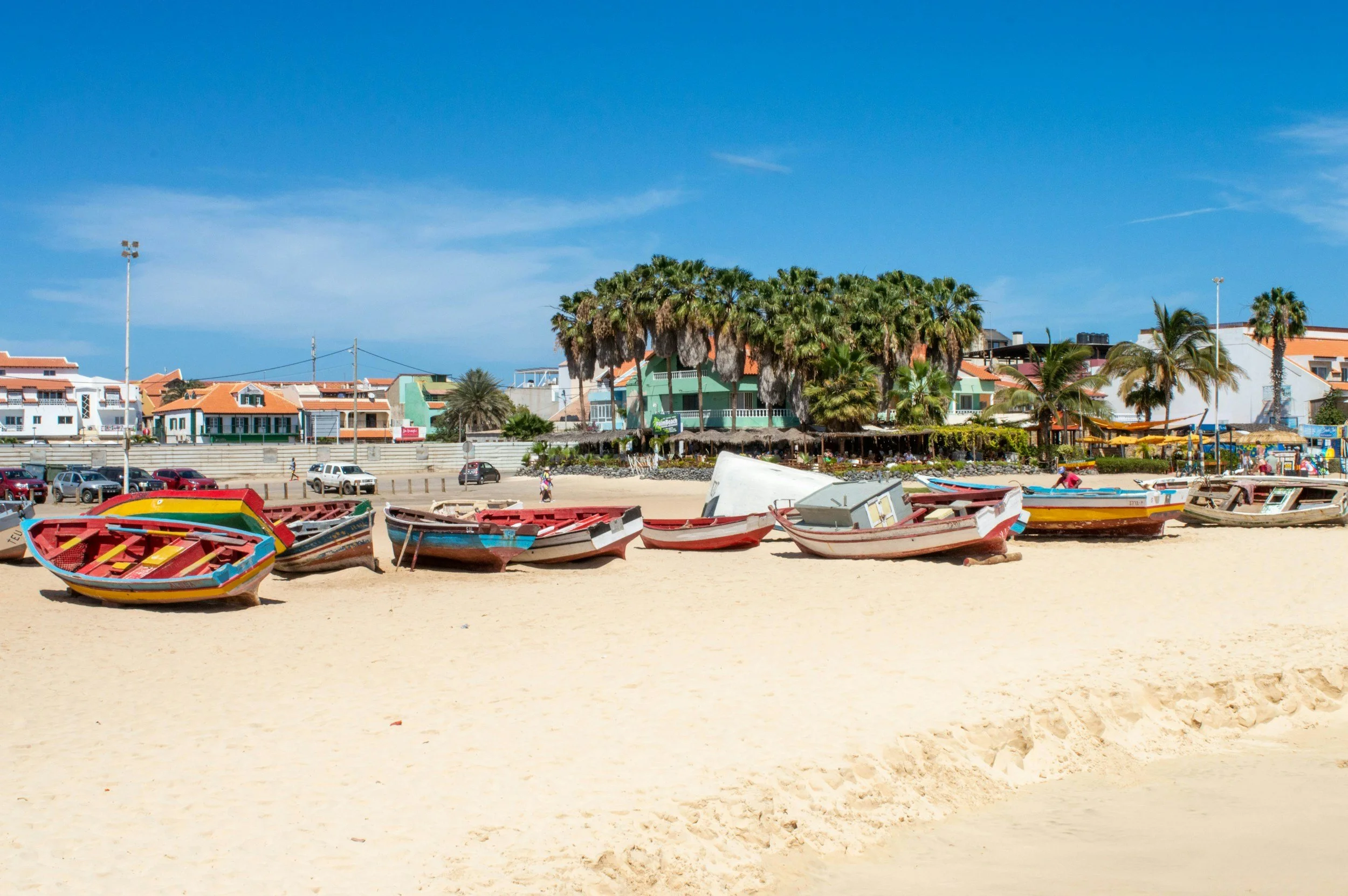
Embark in the afternoon on Sal, the flattest and sunniest of the Cape Verde islands. Meet the expedition team, settle into your cabin and join us on deck as we sail at around 21:00, the trade wind warm on your face.
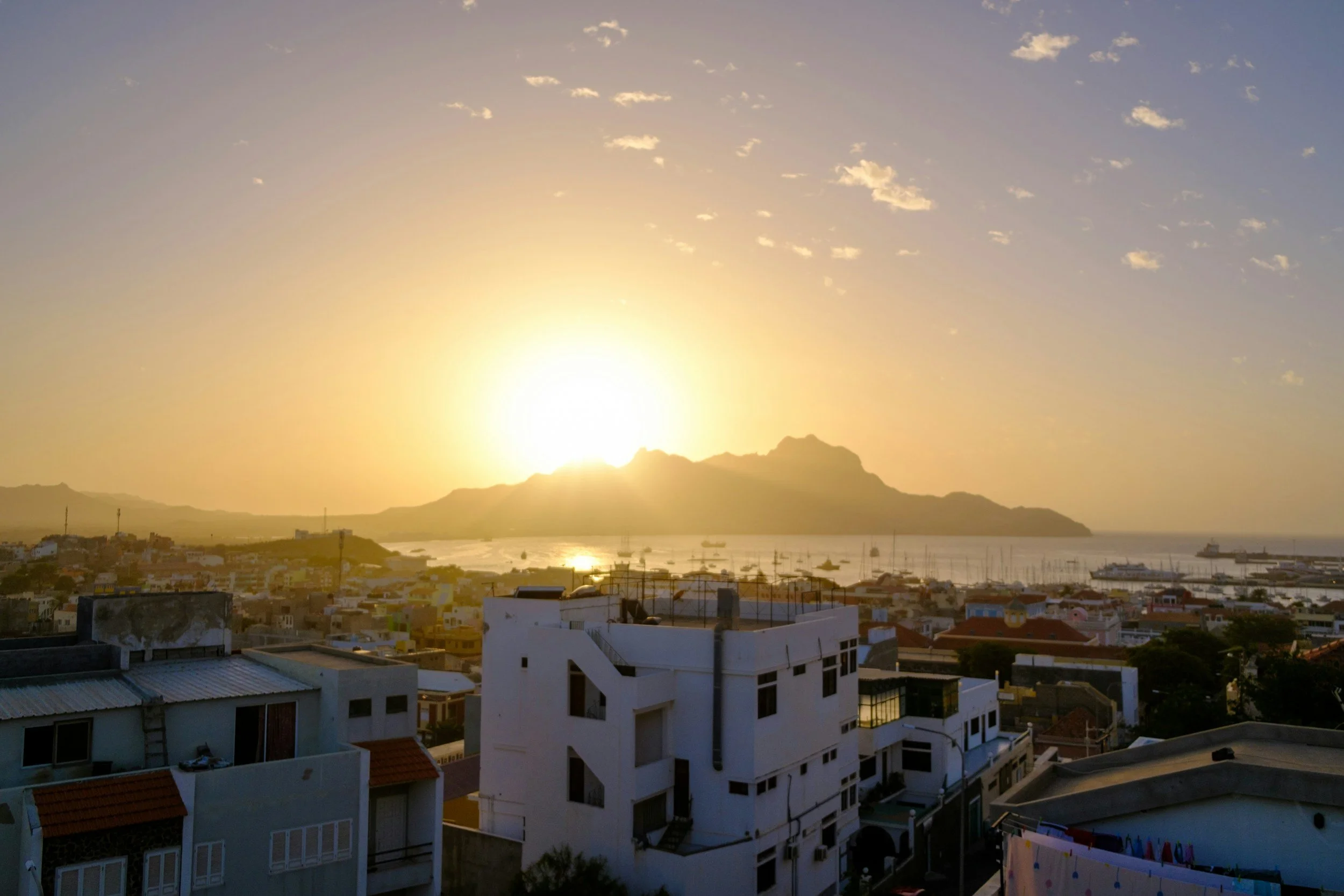
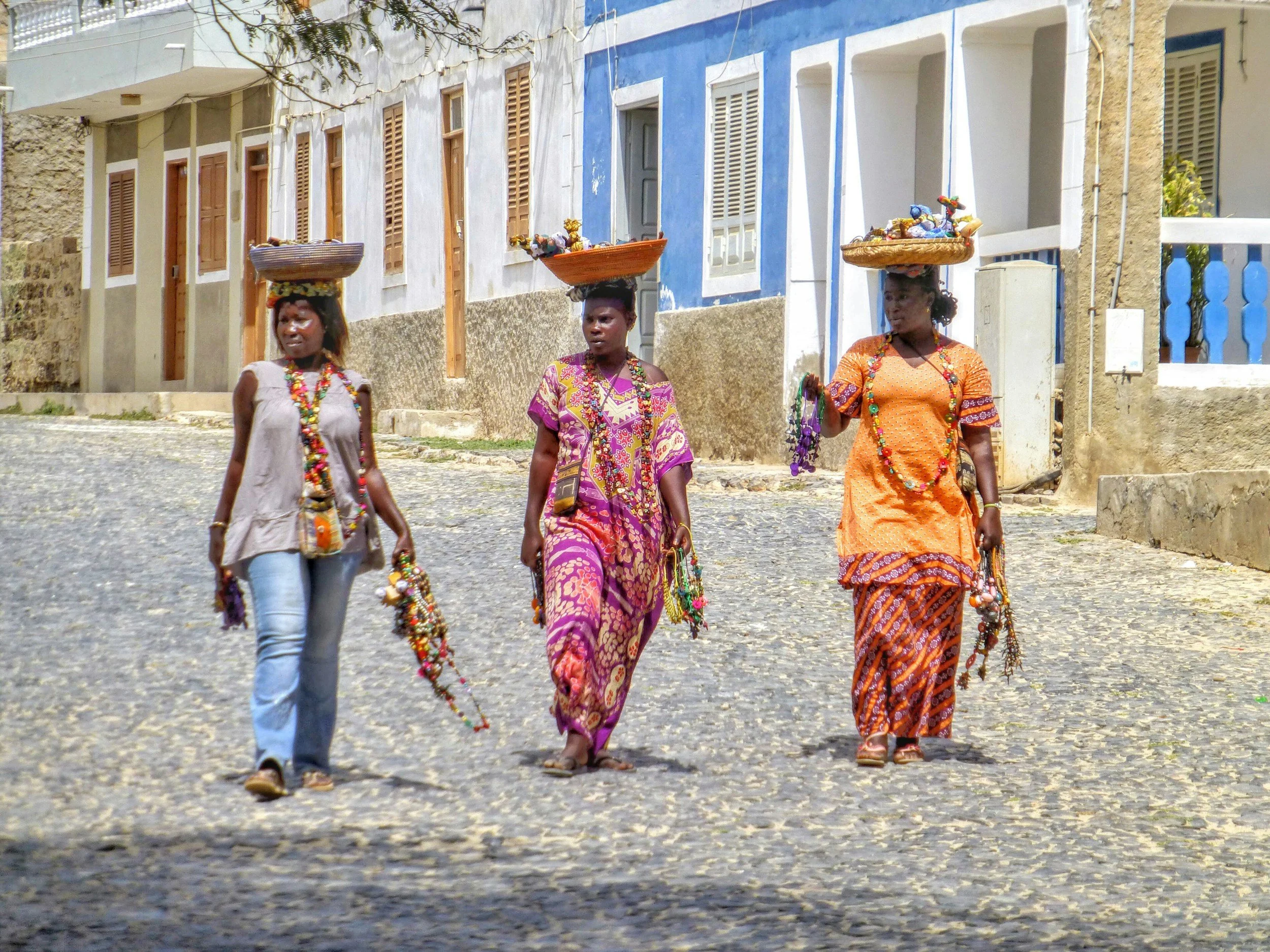
Into Mindelo in the morning, the most musical and handsome harbour in Cape Verde, ringed by bare volcanic hills. Wander the colonial streets and markets, or take the optional ferry day trip to Santo Antão — about an hour each way — for the green ravines and terraced valleys of the archipelago's most dramatic island.
Three days running north-northeast up the African coast. The lecture programme gets under way — Atlantic seabirds, the volcanic origins of the Macaronesian islands, the navigators who first charted them — and we keep watch from the bridge for flying fish, dolphins and passing whales.
A second day at sea on the passage north. The lecture programme continues, with time on deck, in the library and on the bridge, and a watch for flying fish, dolphins and passing whales.
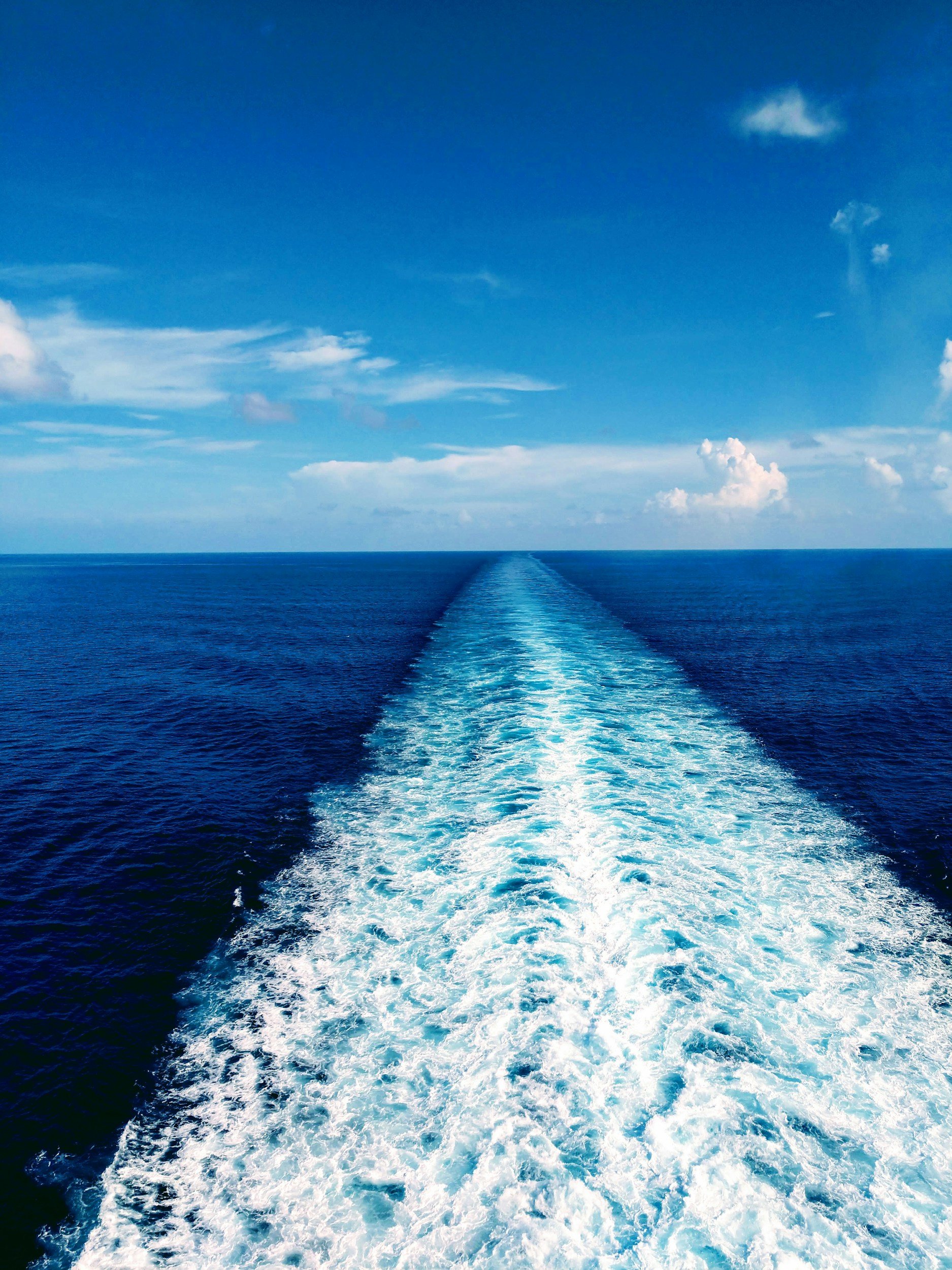
A final day at sea before the Canary Islands. Join the lectures, visit the bridge, or simply watch the wake and the seabirds from the deck.
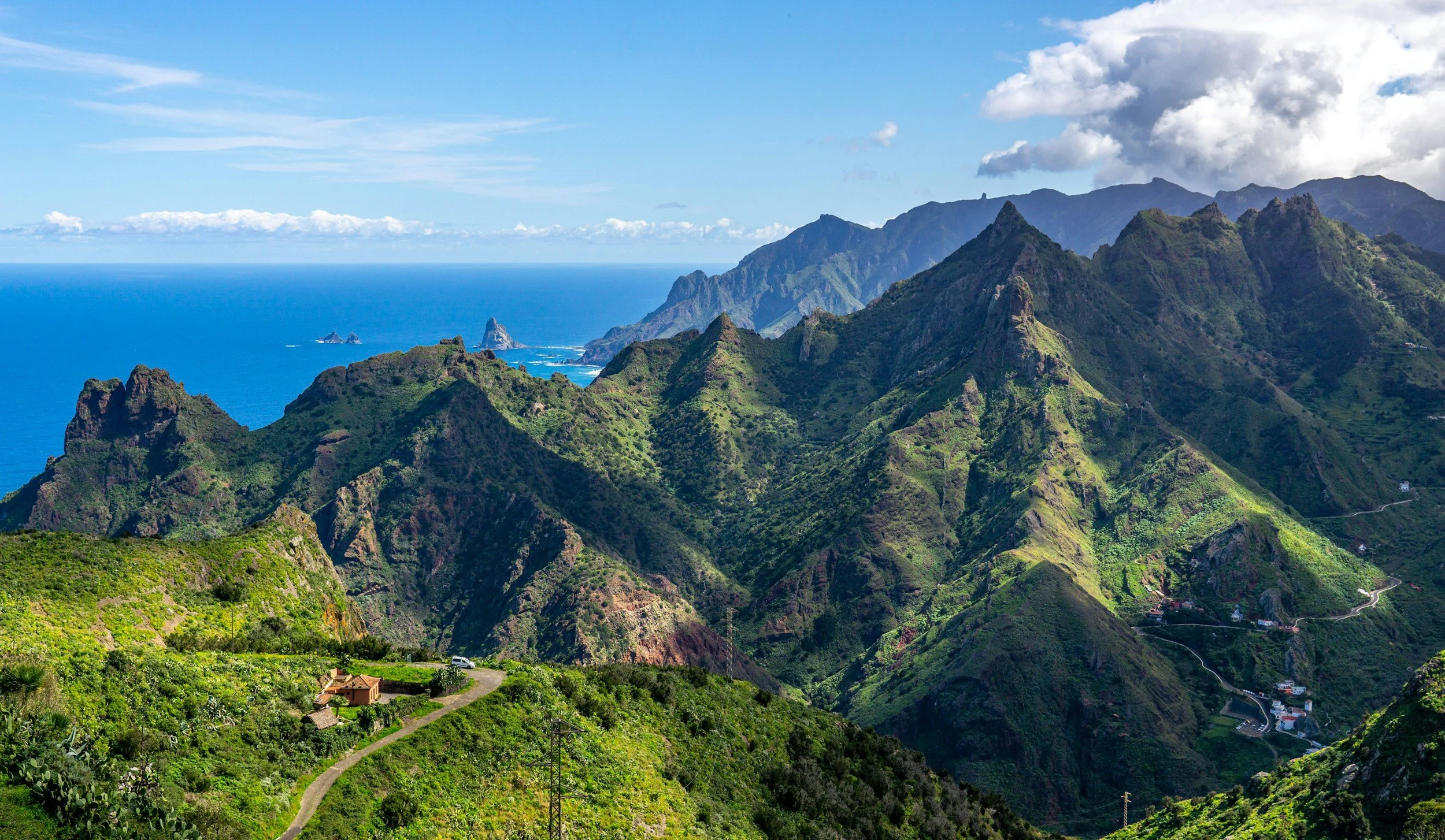
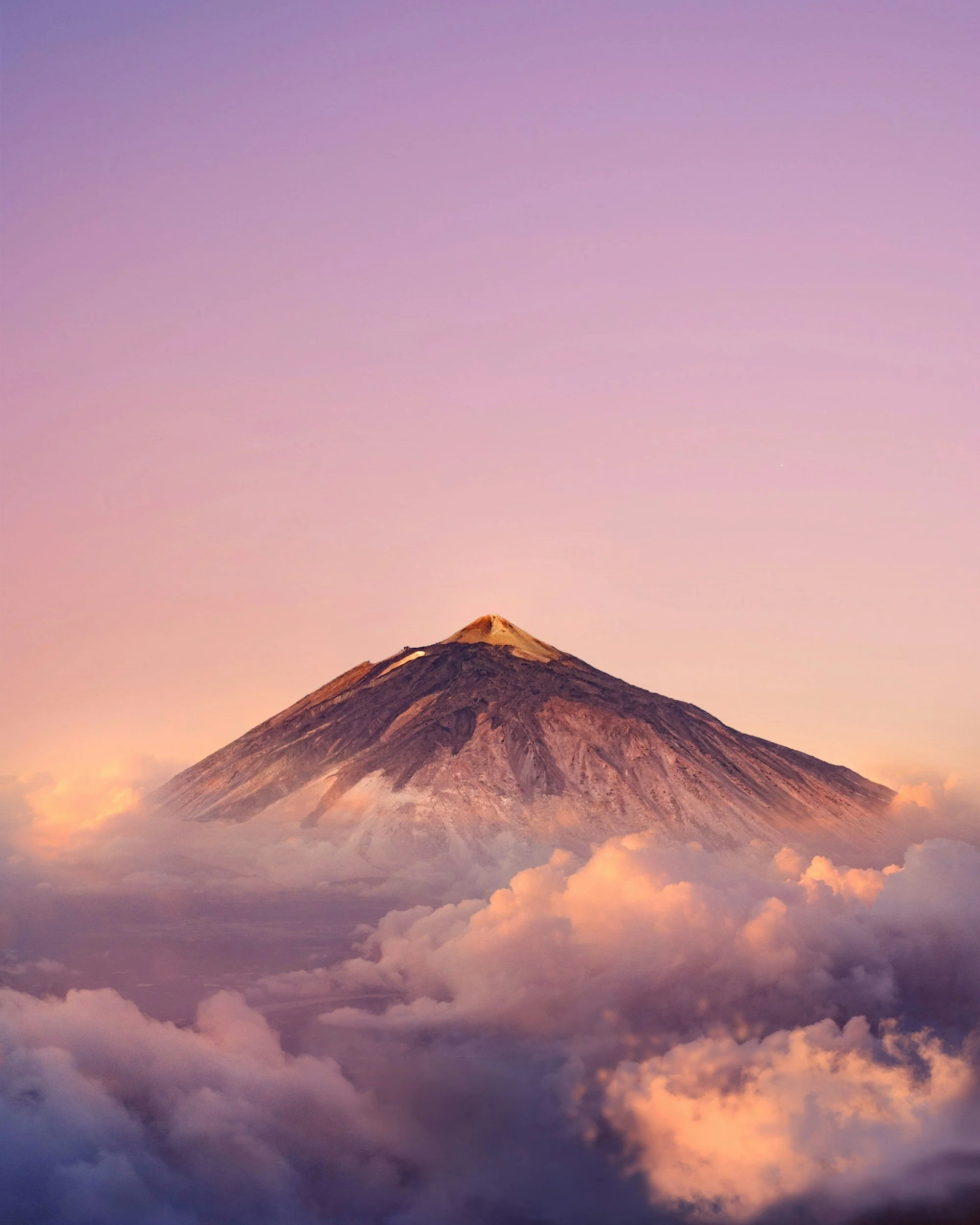
Alongside in Santa Cruz in the morning, with Mount Teide, Spain's highest peak, rising behind the city. Explore the old town and the Auditorio, or head up into the laurel forests of the Anaga mountains. We sail mid-afternoon.
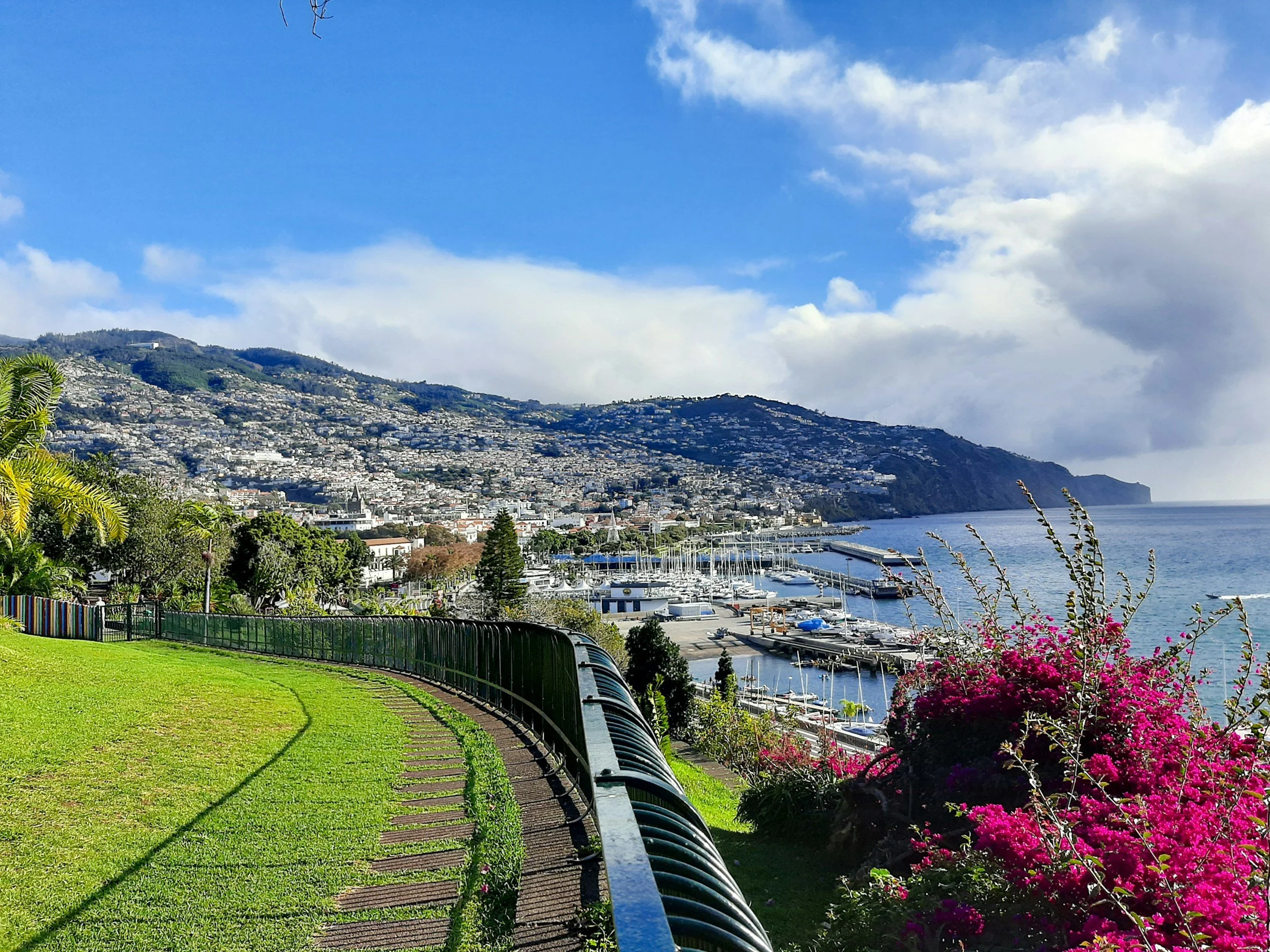
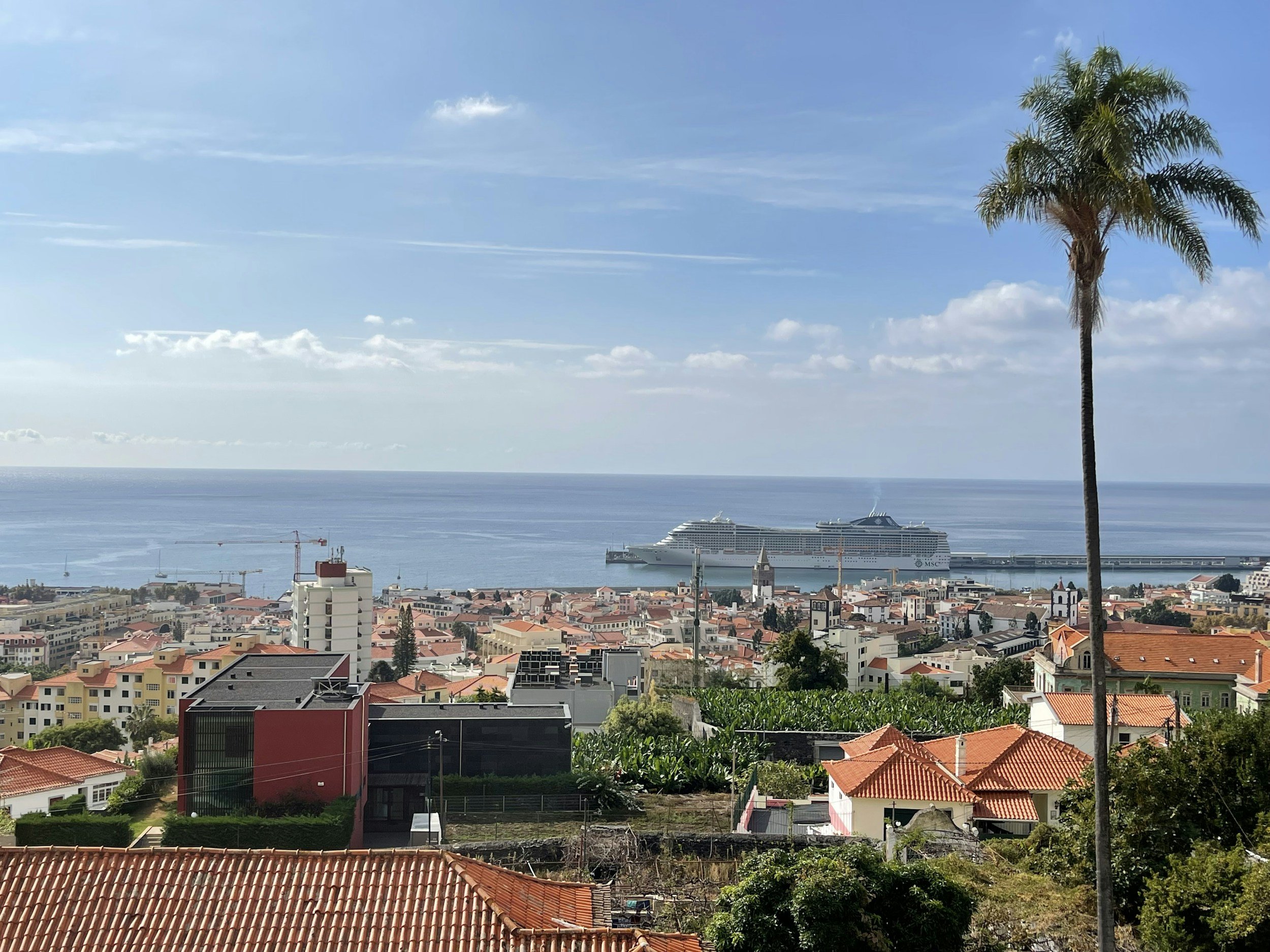
A morning arrival in Funchal, its terraced hillsides climbing straight out of the sea. Walk the old town and the Mercado dos Lavradores, ride the cable car to Monte, or follow a levada — Madeira's old irrigation channels — into the hills.
A day at sea heading west into the open Atlantic, with time for lectures, the bridge and the wake.
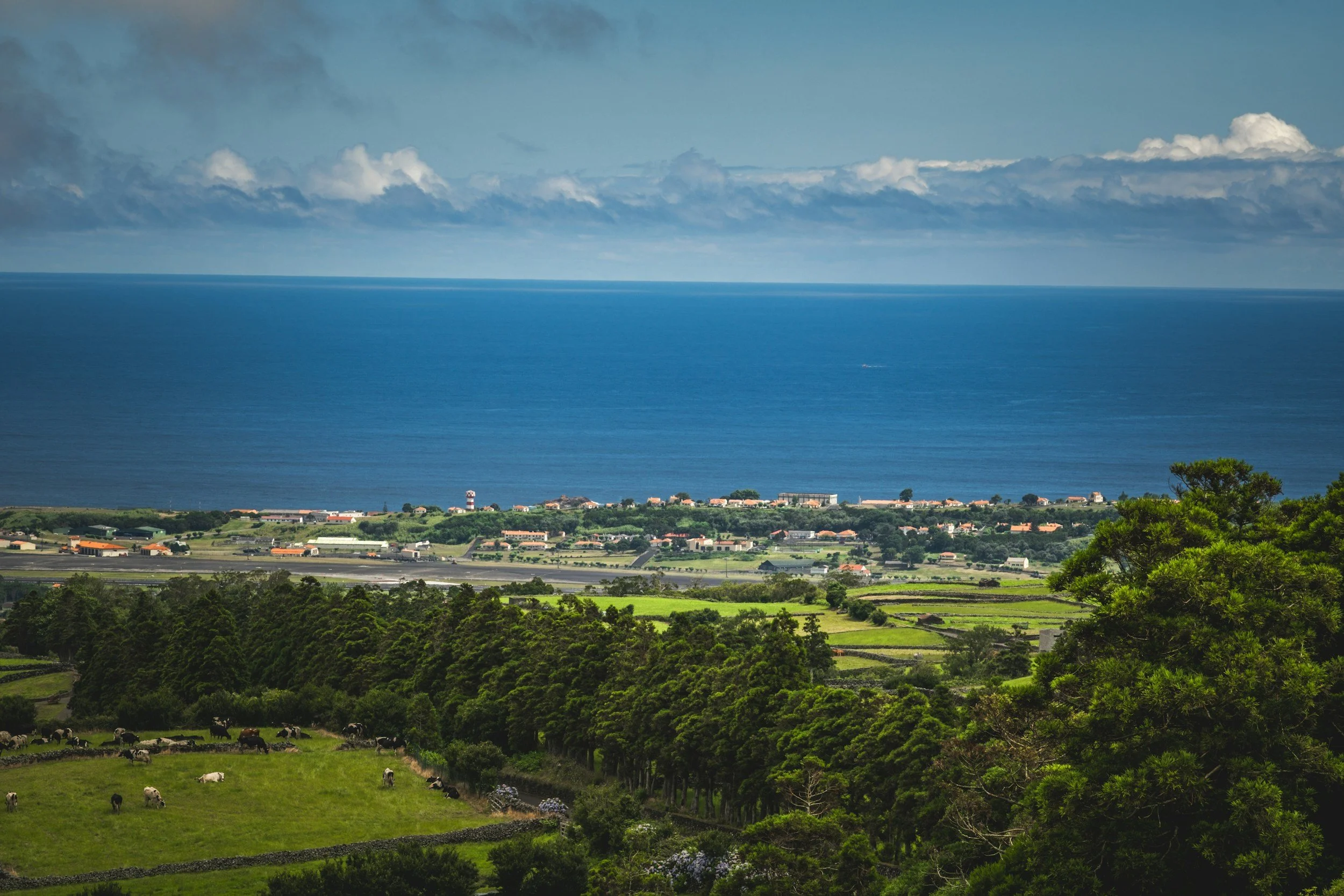
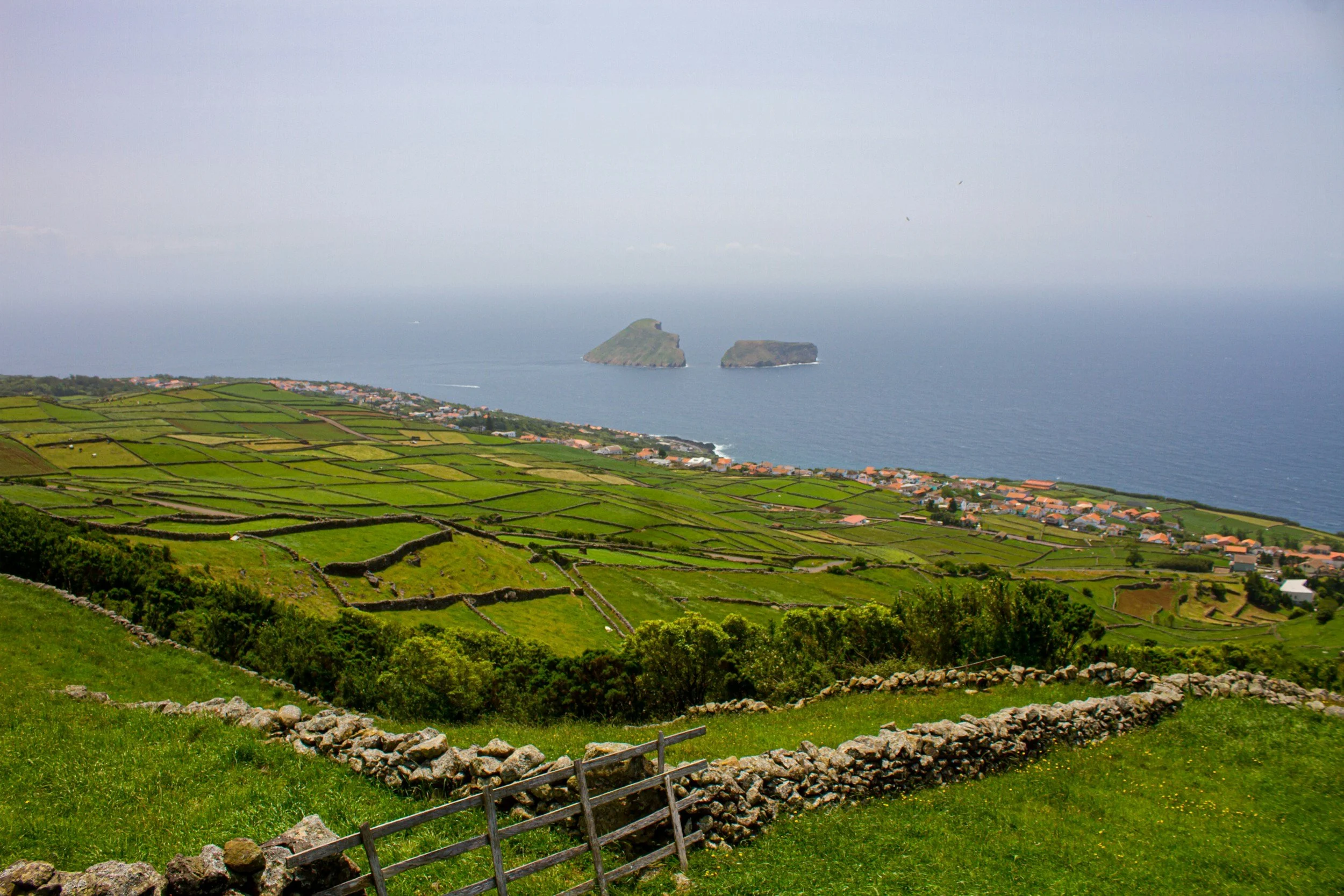
We arrive in the Azores late in the morning. São Miguel is the largest island of the group: crater lakes, hot springs and tea plantations, with the black-and-white basalt churches of Ponta Delgada at its heart. We sail in the evening.
A full day on Terceira and the UNESCO-listed town of Angra do Heroísmo, once the mid-Atlantic stopover for the treasure fleets of Spain and Portugal. Inland, the island's volcanic caves and crater rims are worth the drive.
Three days of open ocean north-east to Ireland. This is deep-water whale country — sperm, fin and sometimes blue whales — and the lecture programme turns to the Celtic and Norse peoples who settled the islands ahead.
A second day of open ocean. Keep watch from the decks and the bridge for sperm, fin and sometimes blue whales, while the lecture programme continues on the peoples who settled the islands ahead.
The last day of the crossing. Lectures, the bridge and the decks fill the day as we close on Ireland and prepare for the landings ahead.
We anchor off Kinsale in the morning and tender into one of Ireland's prettiest harbour towns: narrow streets of painted houses, Charles Fort's star-shaped ramparts above the harbour, and the story of the 1601 Battle of Kinsale. The Old Head of Kinsale, off which the Lusitania was sunk in 1915, is a short drive along the coast, and the town has a fair claim to being Ireland's food capital.
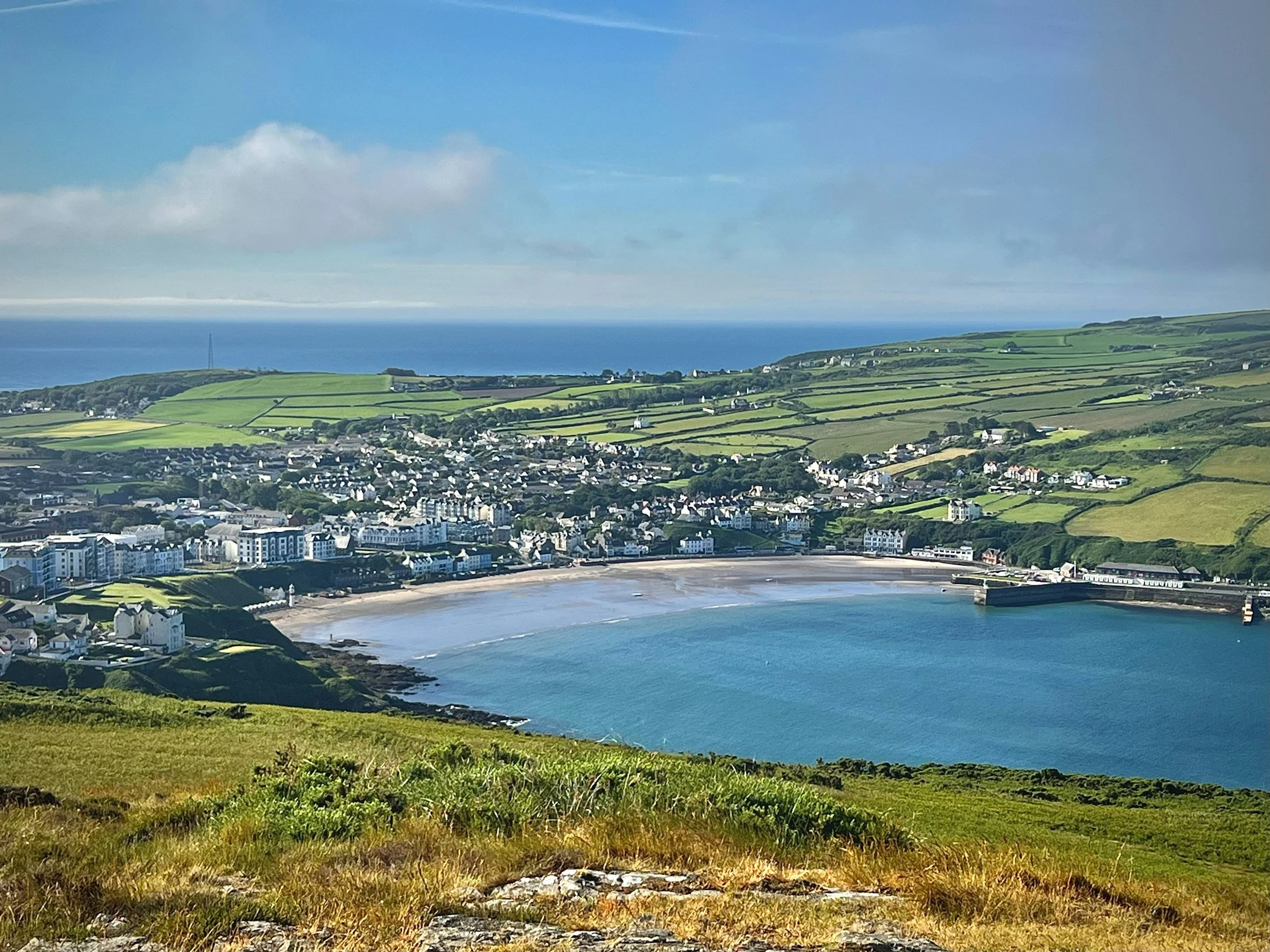
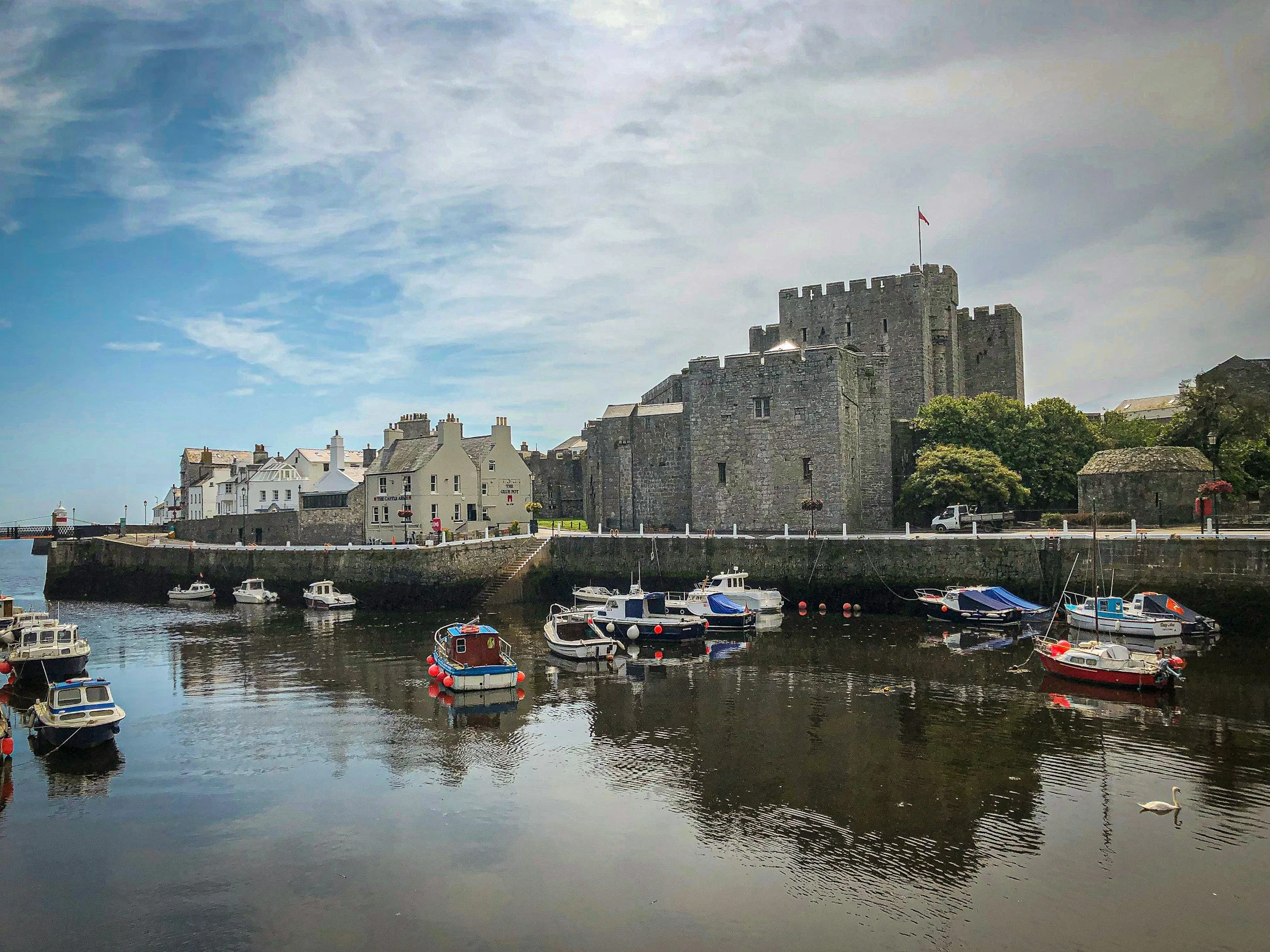
A day on the Isle of Man, home of Tynwald, which claims to be the oldest continuous parliament in the world, and of a Norse heritage that runs deep. We sail at 18:00 and round the Mull of Kintyre overnight.
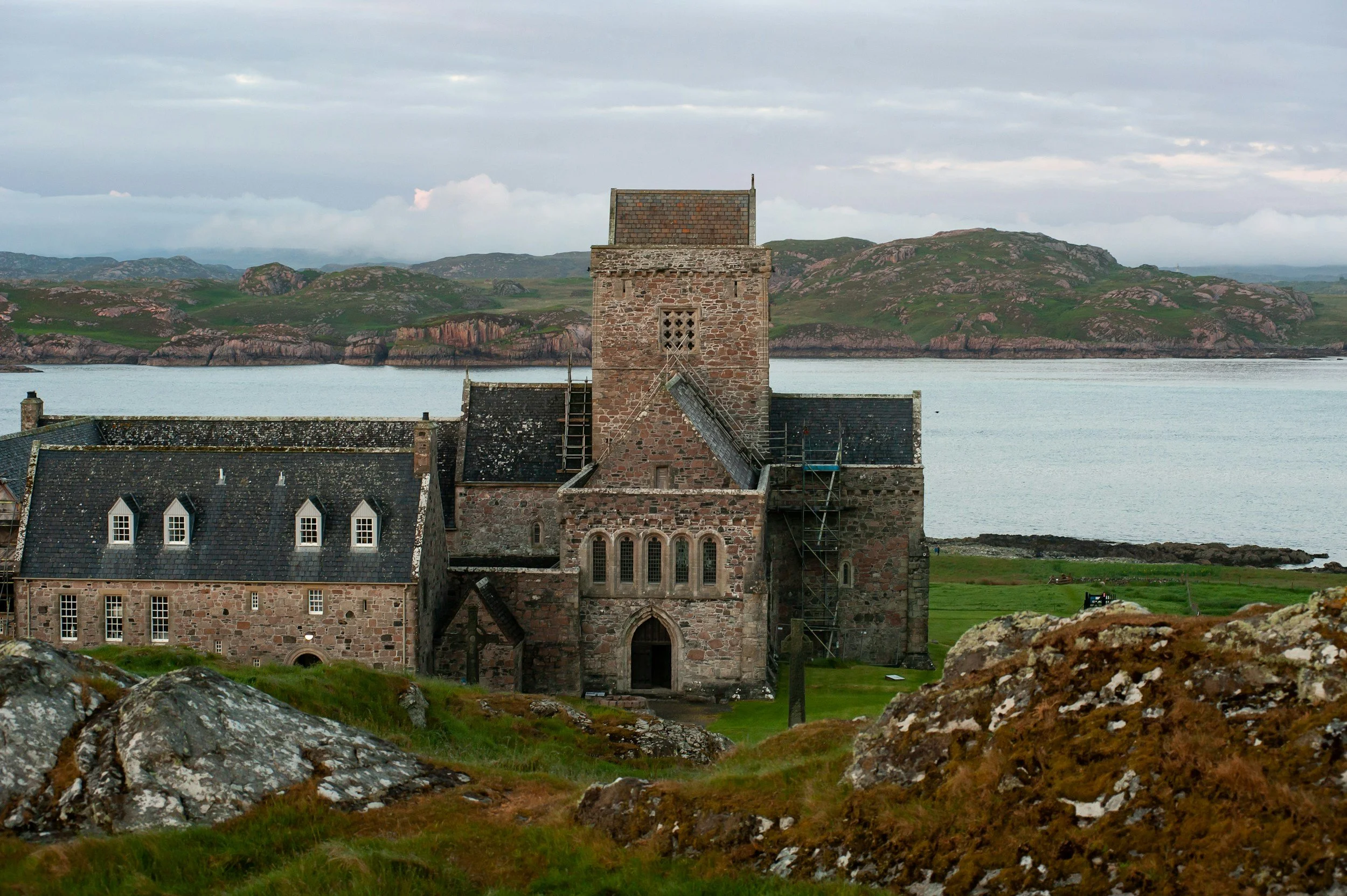
Iona, where St Columba founded his monastery in 563, and Staffa, with the basalt columns of Fingal's Cave. Zodiac landings, weather permitting.
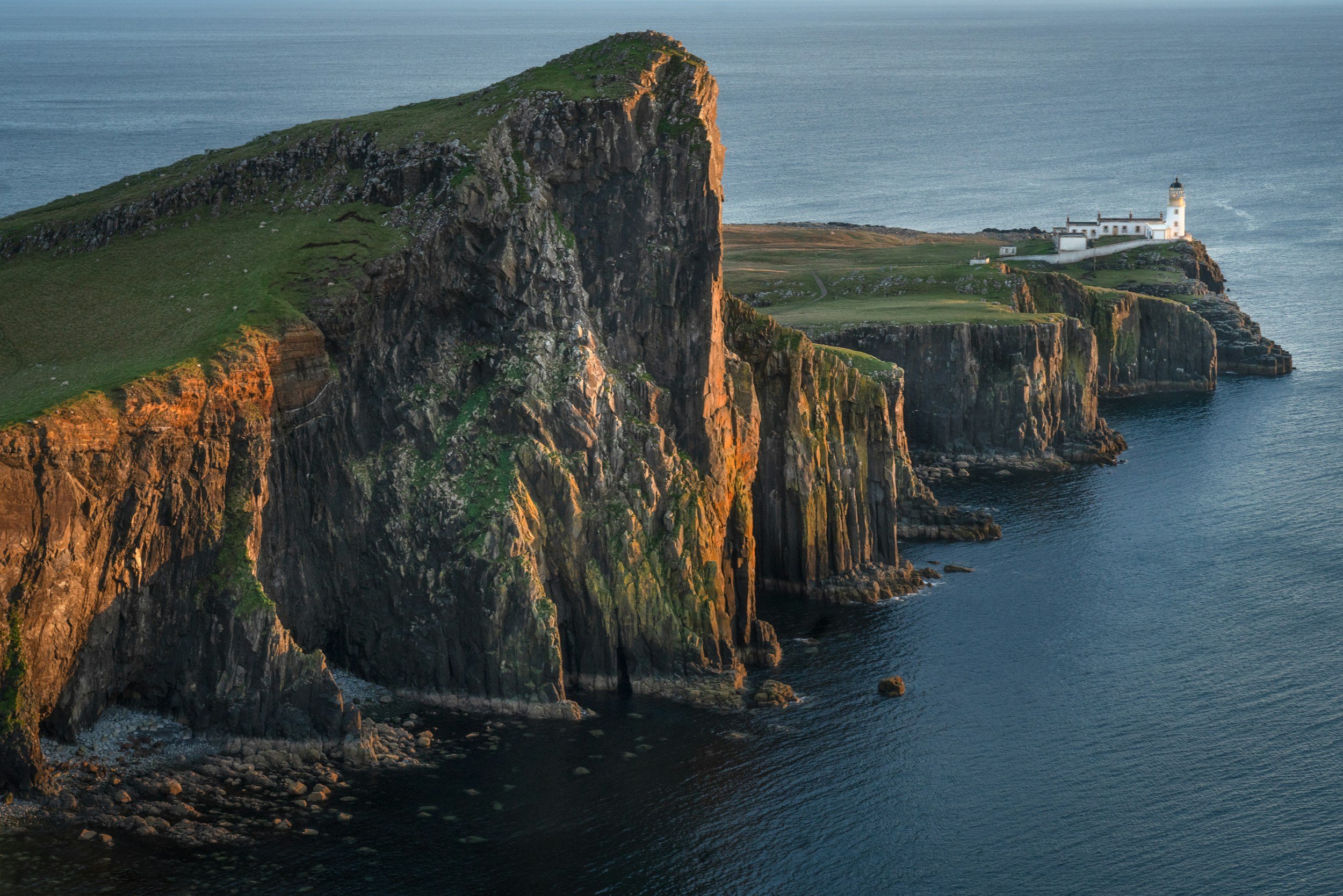
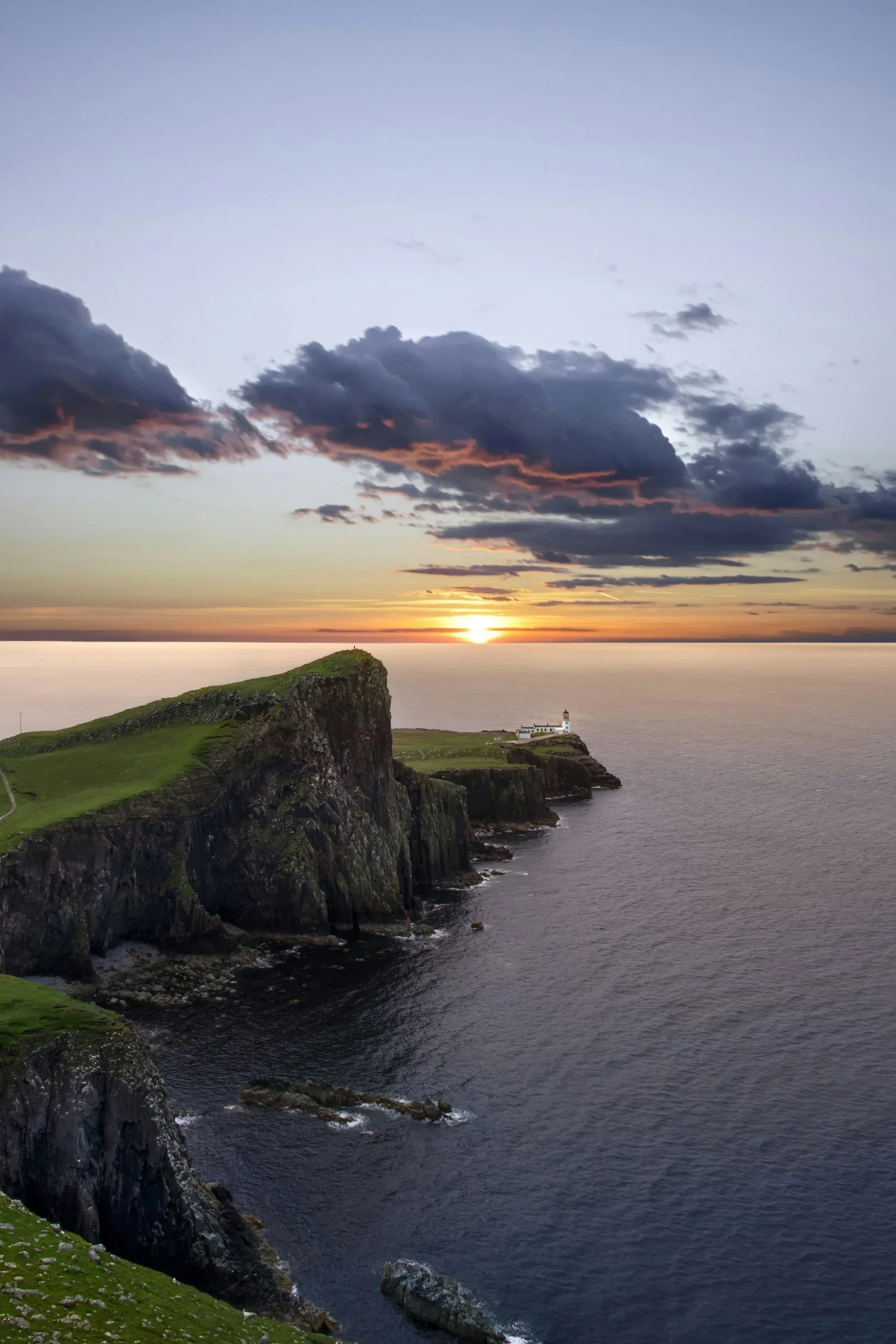
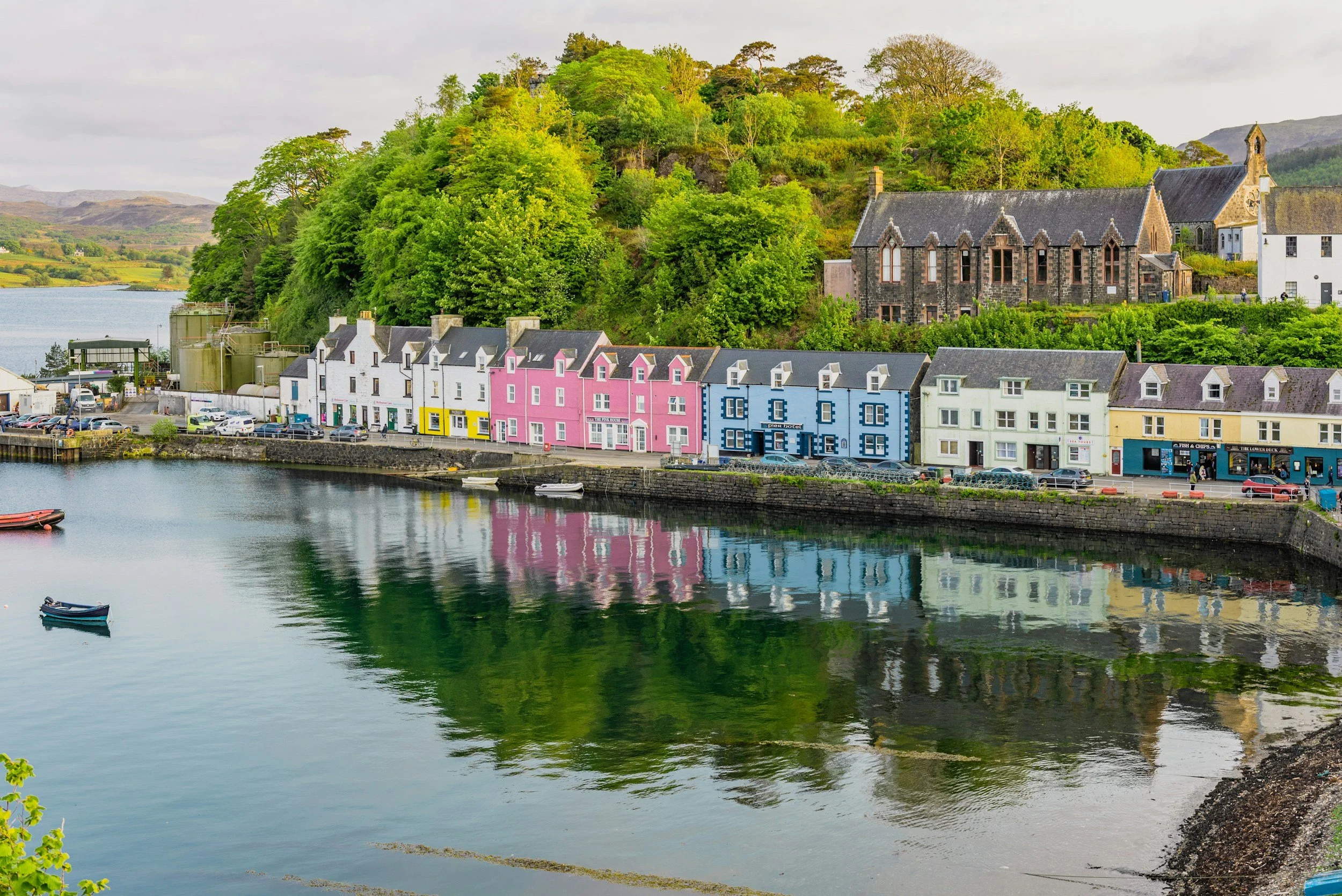
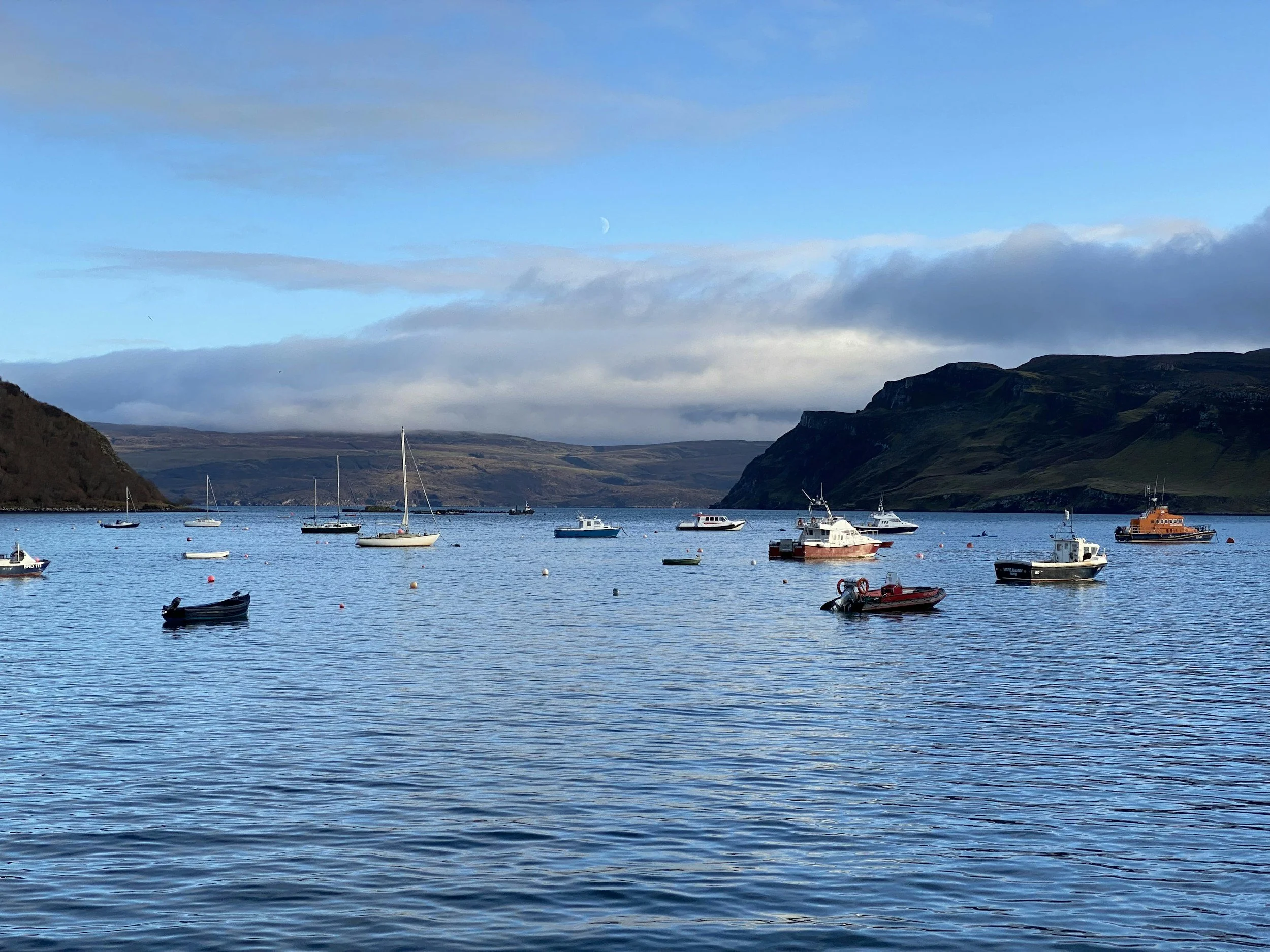
A day on Skye: the harbour at Portree, the Old Man of Storr and the Quiraing, and the Cuillin hills on the skyline.
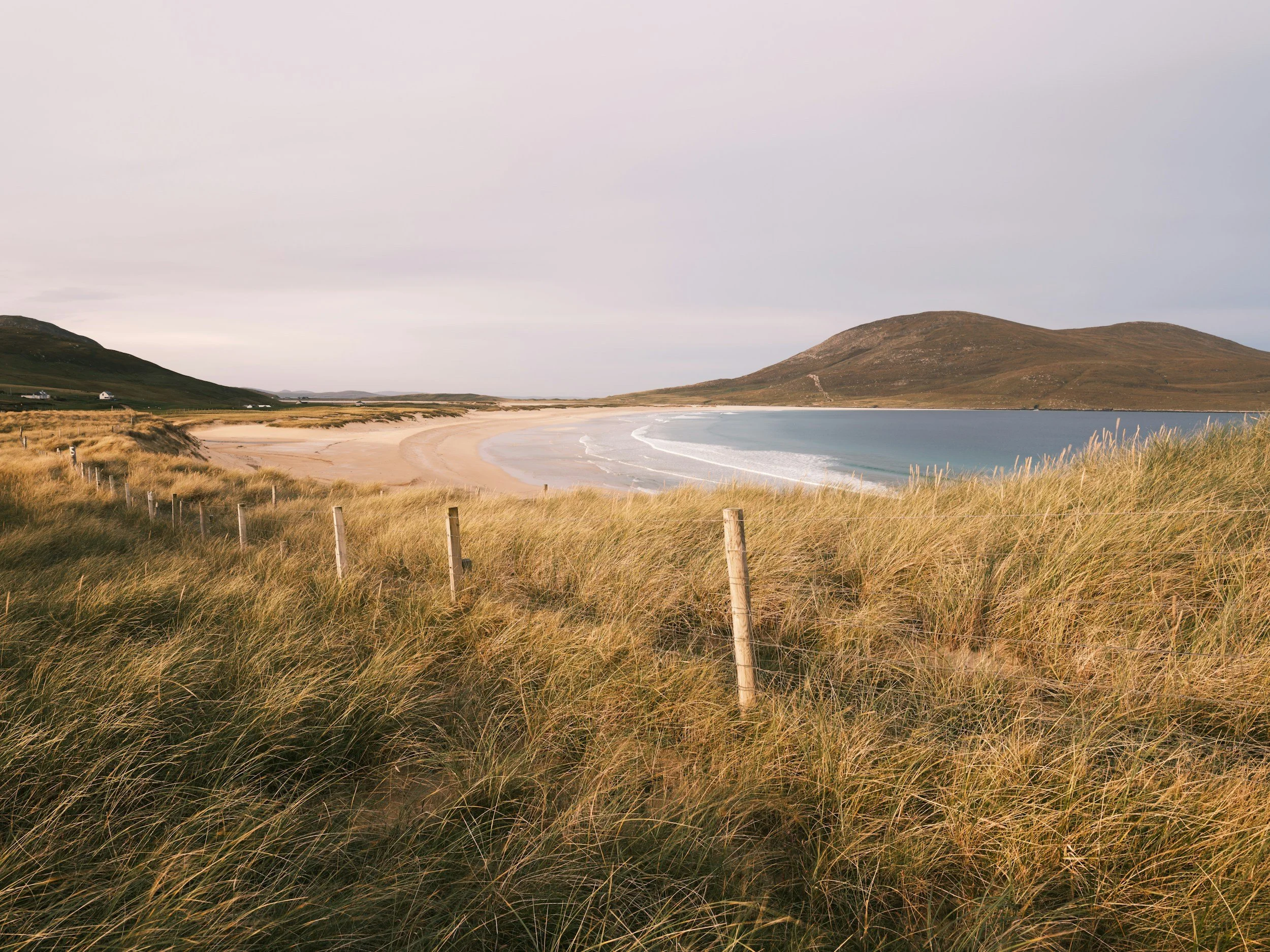
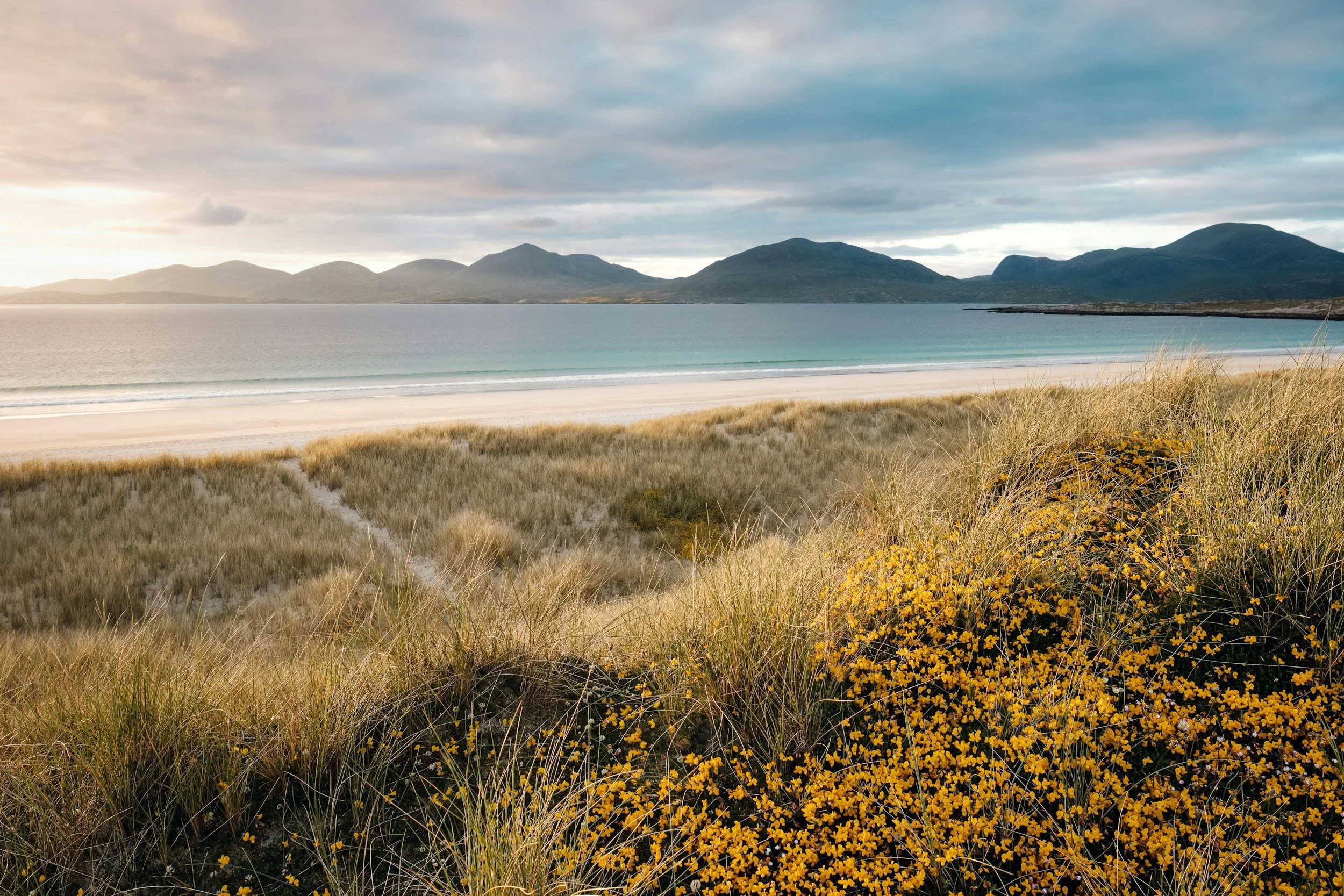
White-sand beaches, machair and the weavers of Harris Tweed. Harris is the Outer Hebrides at its most beautiful.
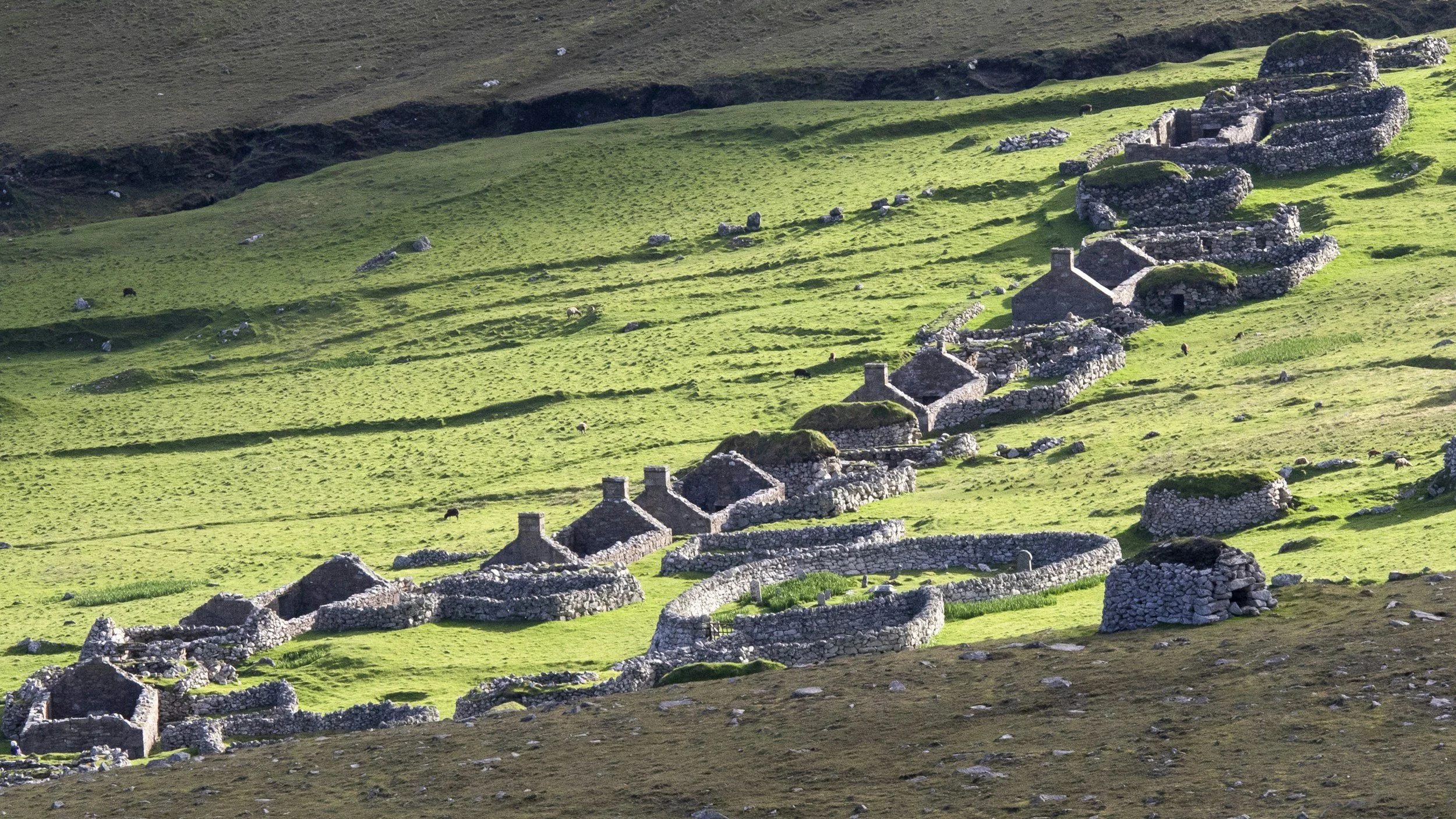
Our swing day. If the weather allows, we land on Hirta, the abandoned island community at the edge of the Atlantic, beneath the highest sea cliffs in Britain and the largest gannetry in the world. If it doesn't, the day is used to protect the rest of the itinerary.
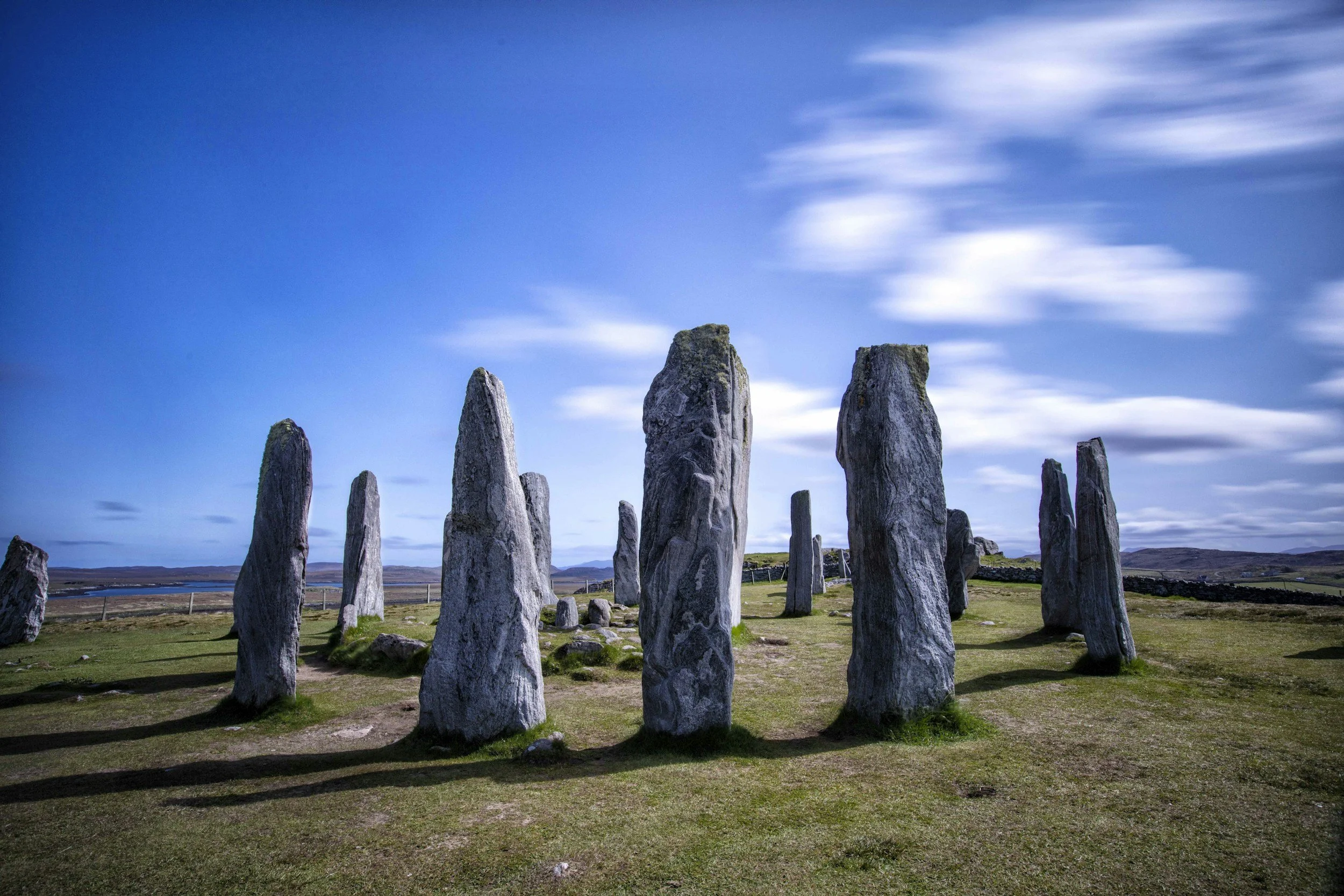
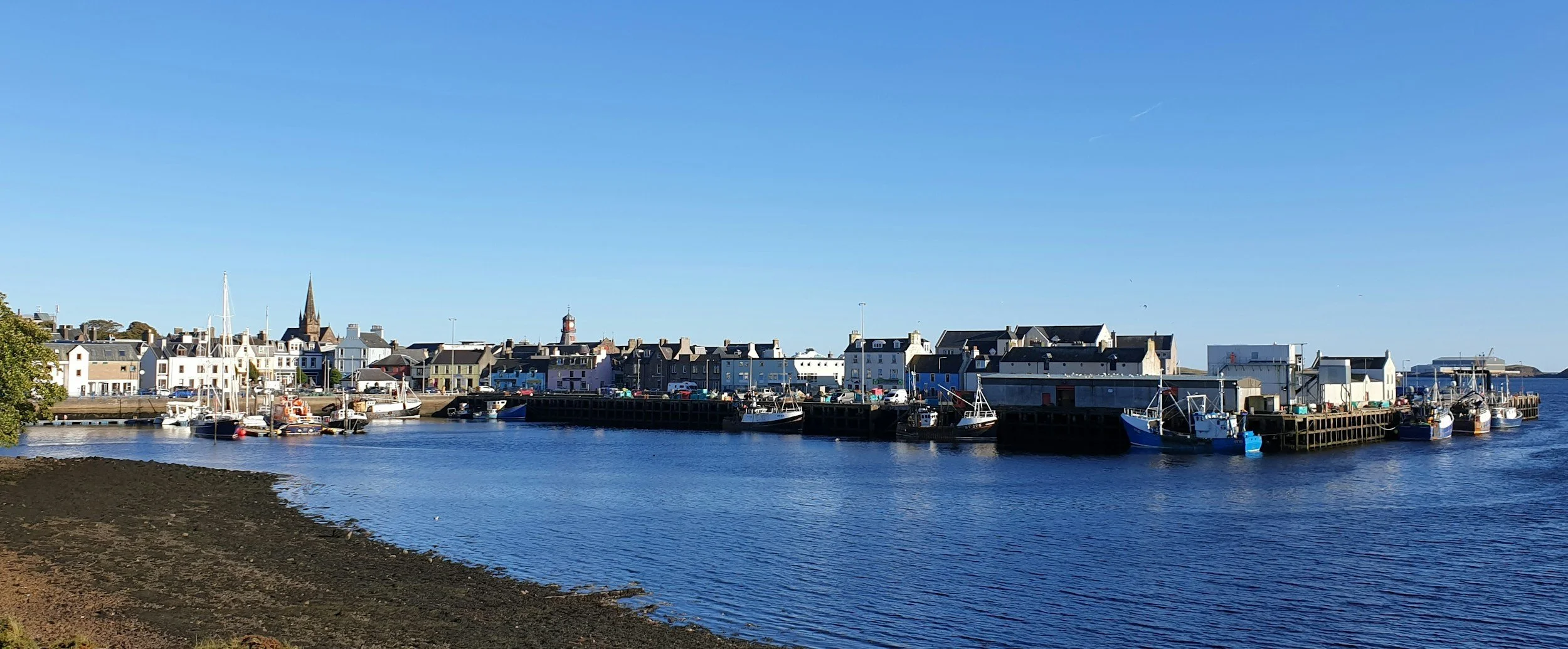
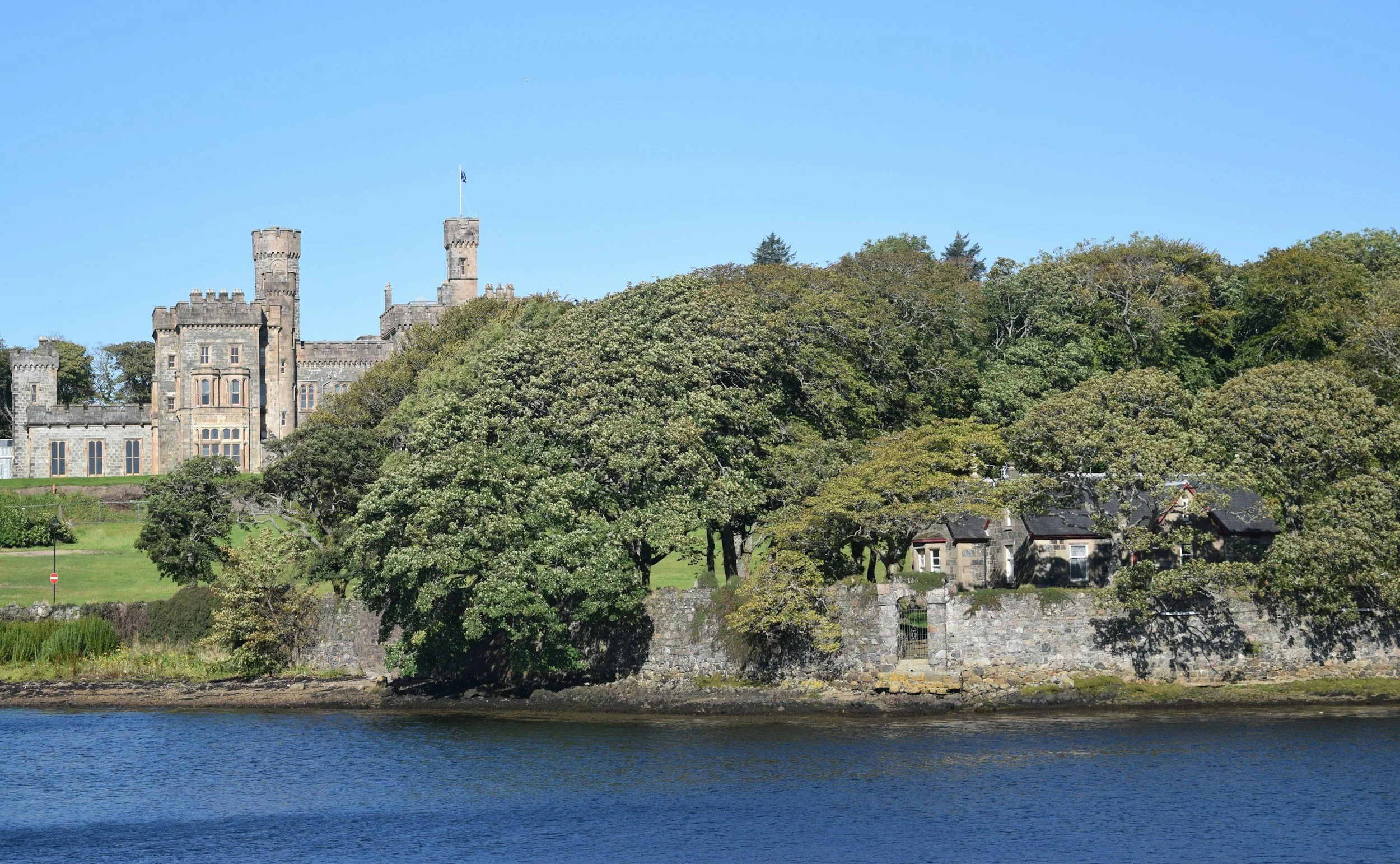
Stornoway, the main town of the Outer Hebrides, and the Calanais standing stones, older than Stonehenge. Six of the Lewis Chessmen are on display at Museum nan Eilean in Lews Castle.
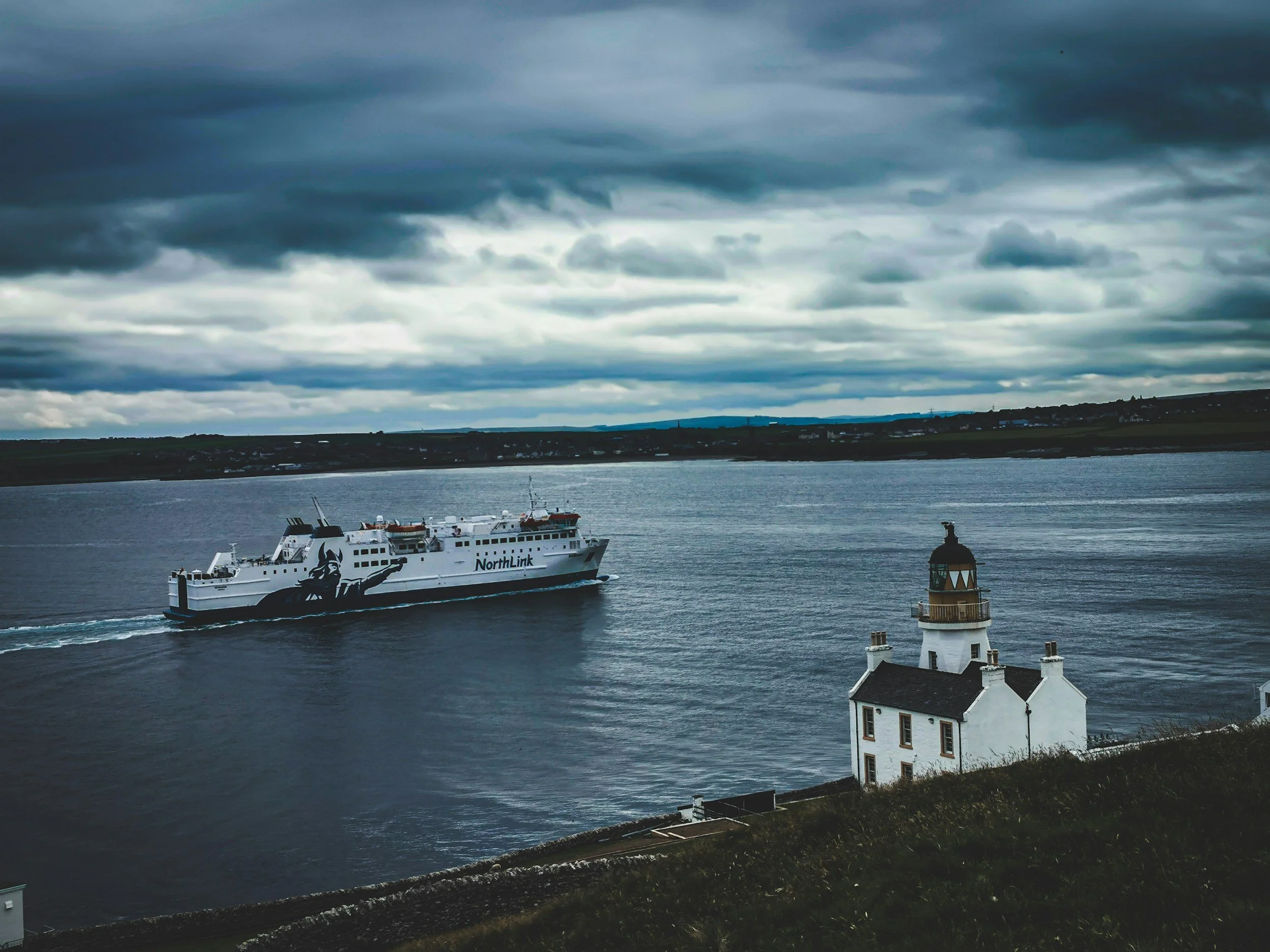
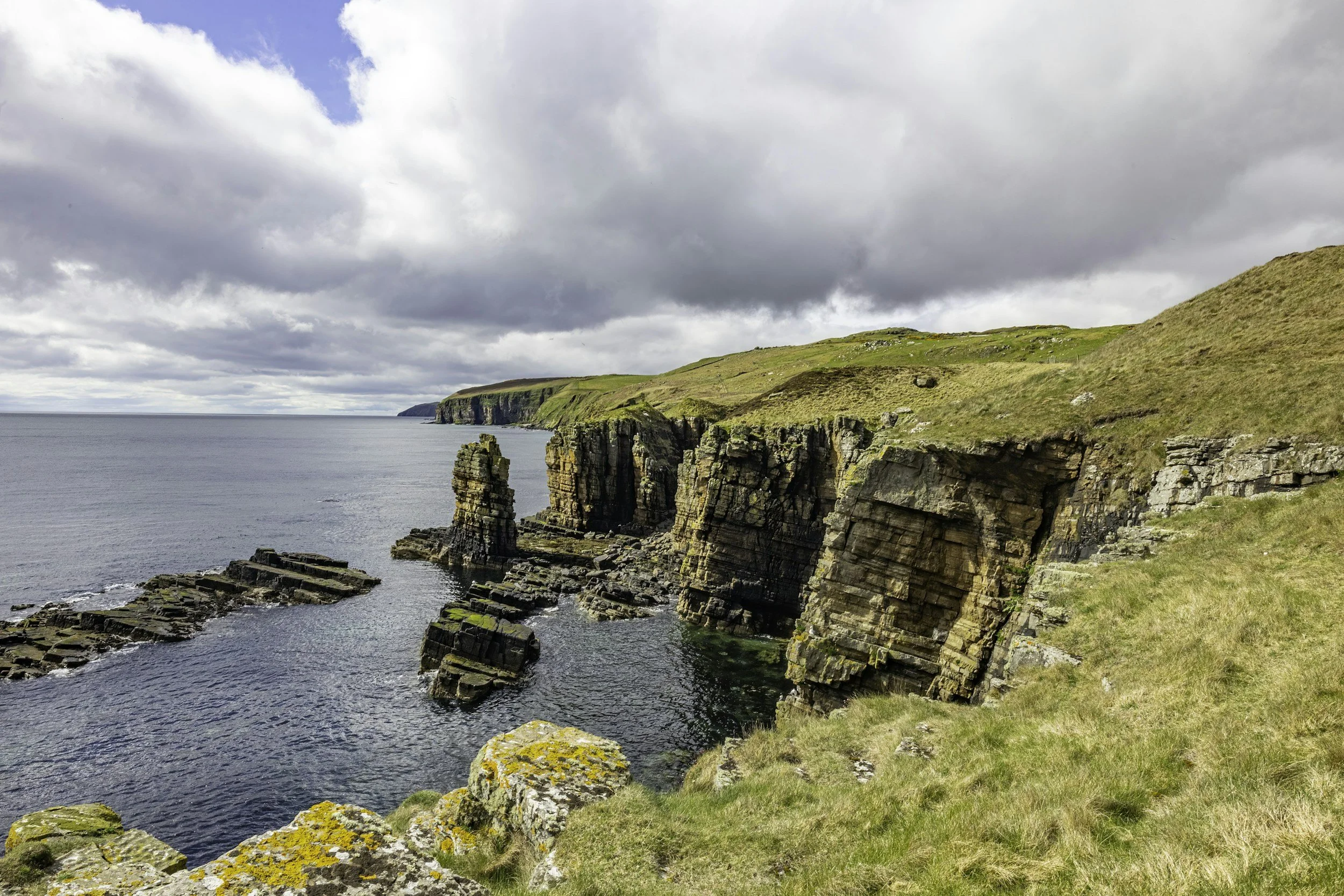
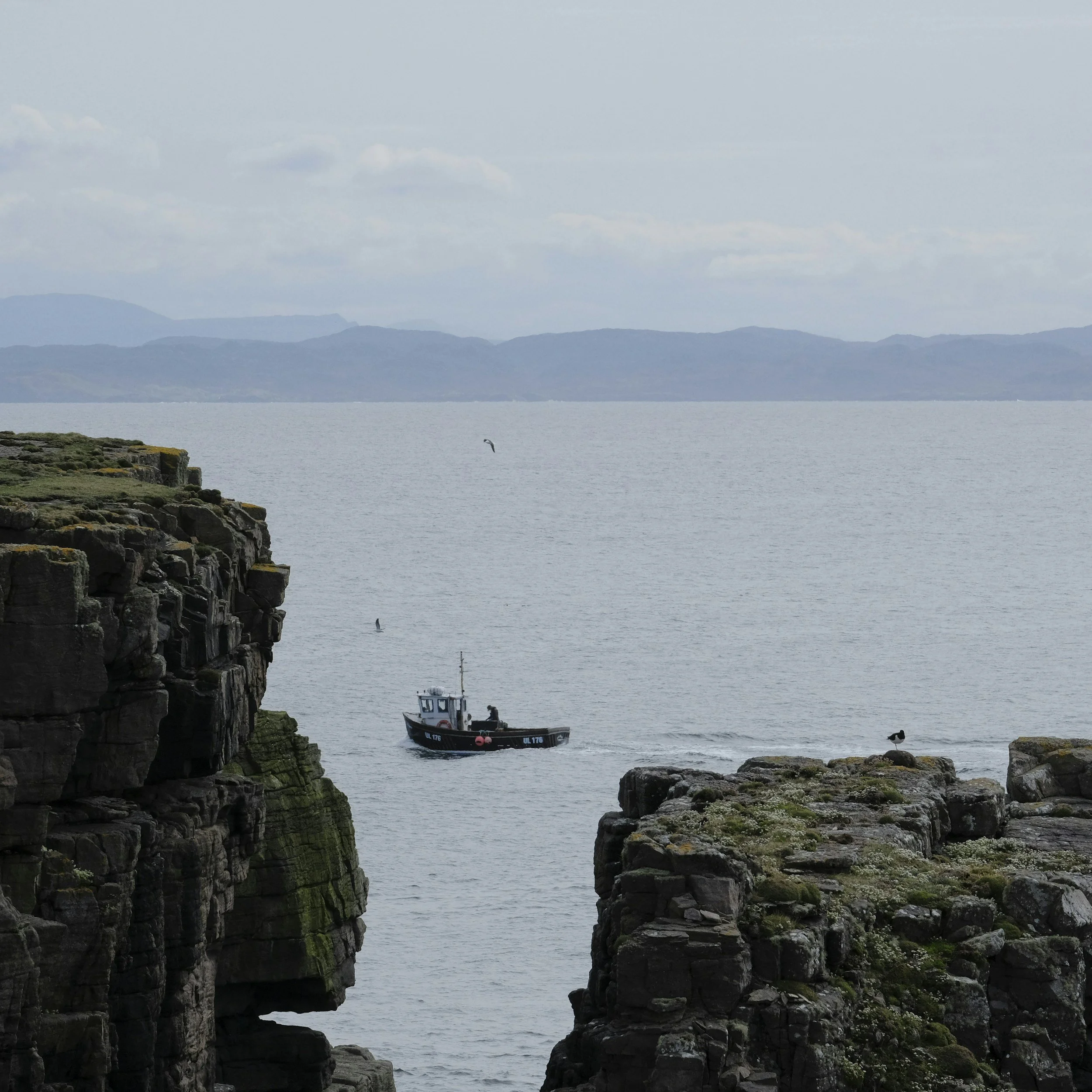
Handa's seabird cliffs — puffins, guillemots and great skuas — then the passage round Cape Wrath, the north-west corner of mainland Britain.
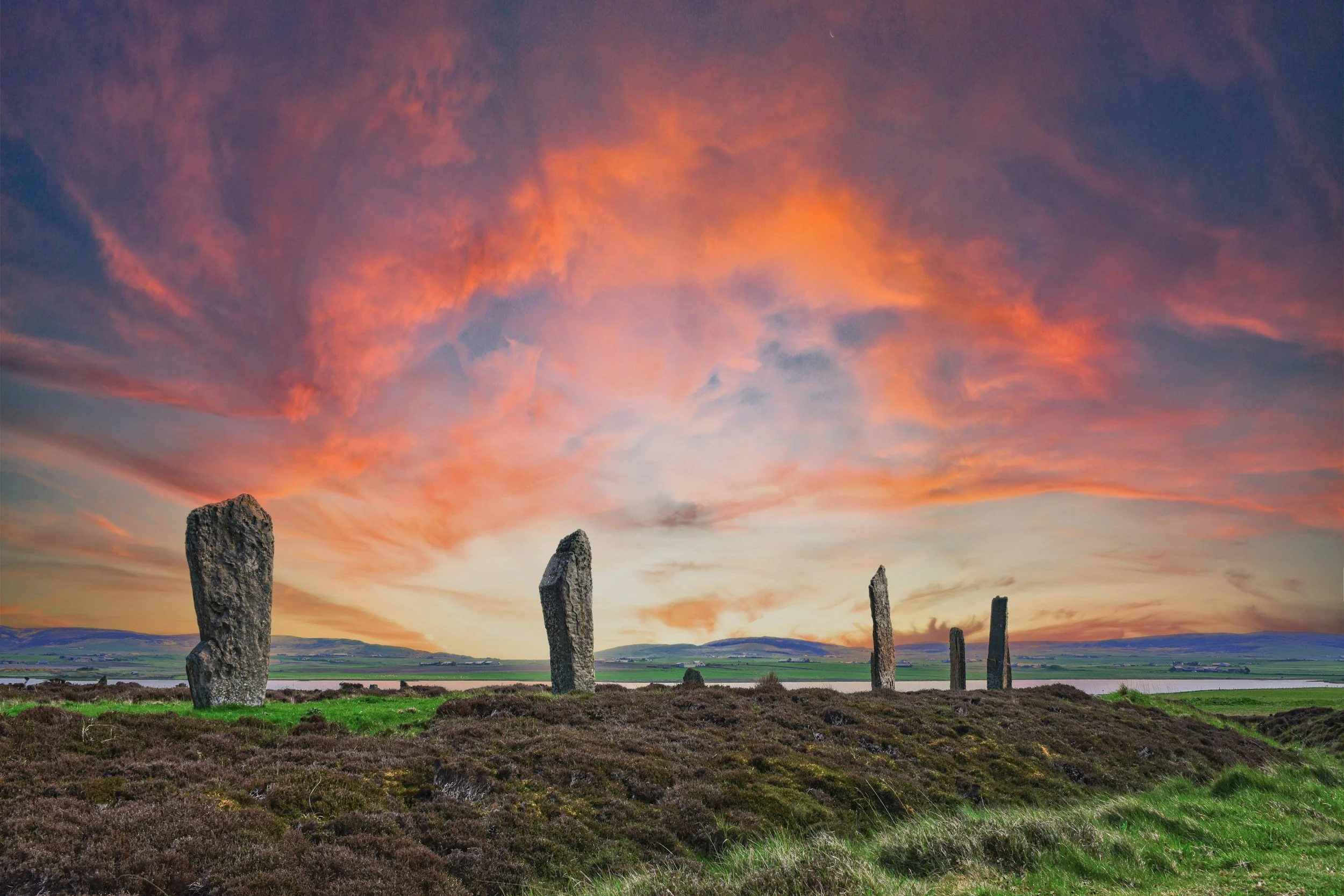
A day in Orkney: St Magnus Cathedral, the Neolithic village of Skara Brae and the Ring of Brodgar.
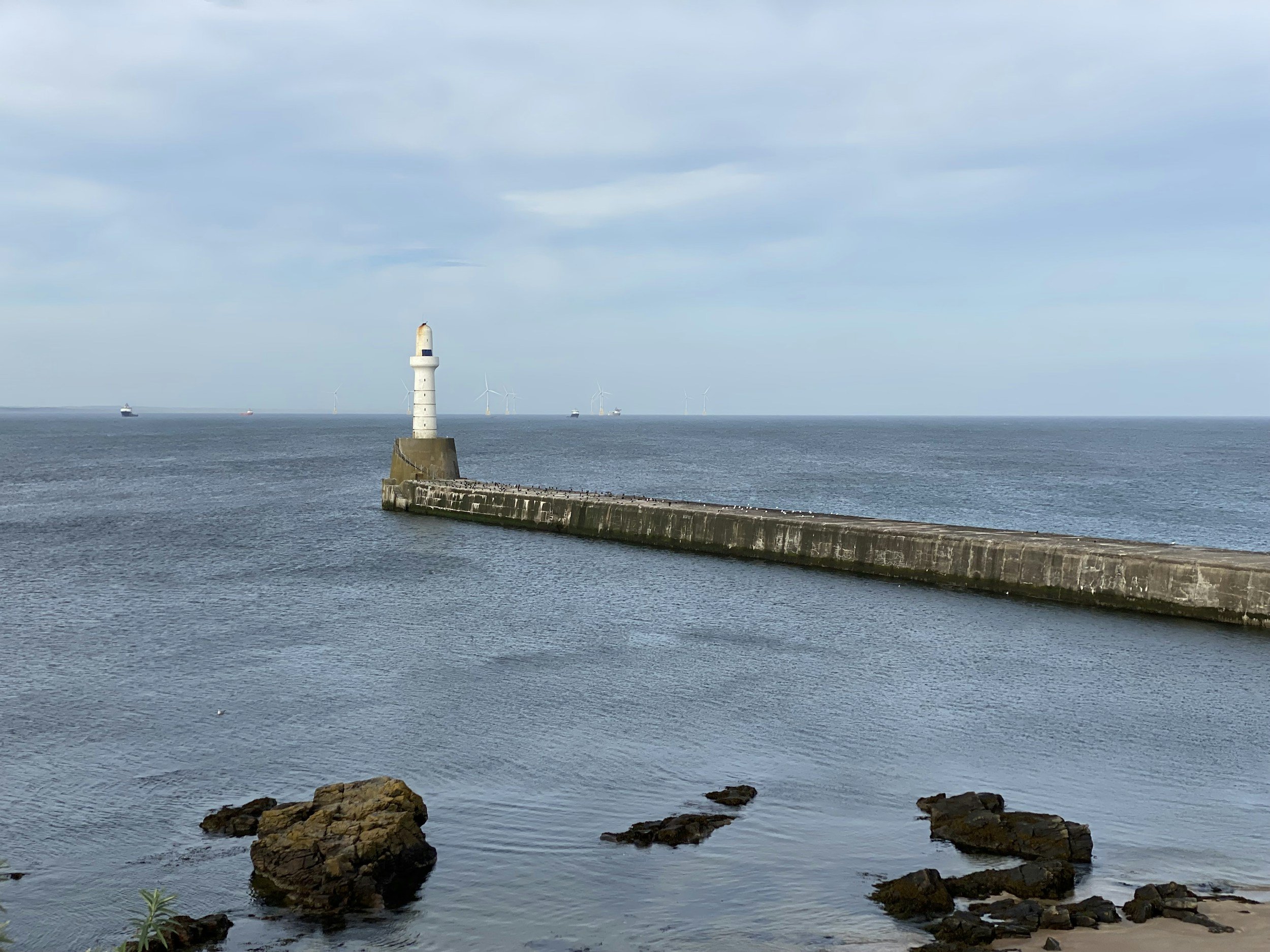
We arrive at Aberdeen early in the morning. Disembark at about 06:00.
Our route is a plan, not a promise: the expedition team chooses each day's landings and cruising according to weather, sea conditions and local permissions. All landings, Zodiac operations and routes depend on these conditions, on port and site access, and on group limits at protected and heritage sites such as St Kilda. Ports and sites named above are possible options, not confirmed calls. Optional excursions, such as the Santo Antão ferry day trip, are subject to availability. Wildlife sightings cannot be guaranteed. Final decisions rest with the Captain and Expedition Leader.
No extra charges. Just extra adventure.
-
![A yellow kayak on turquoise sea]()
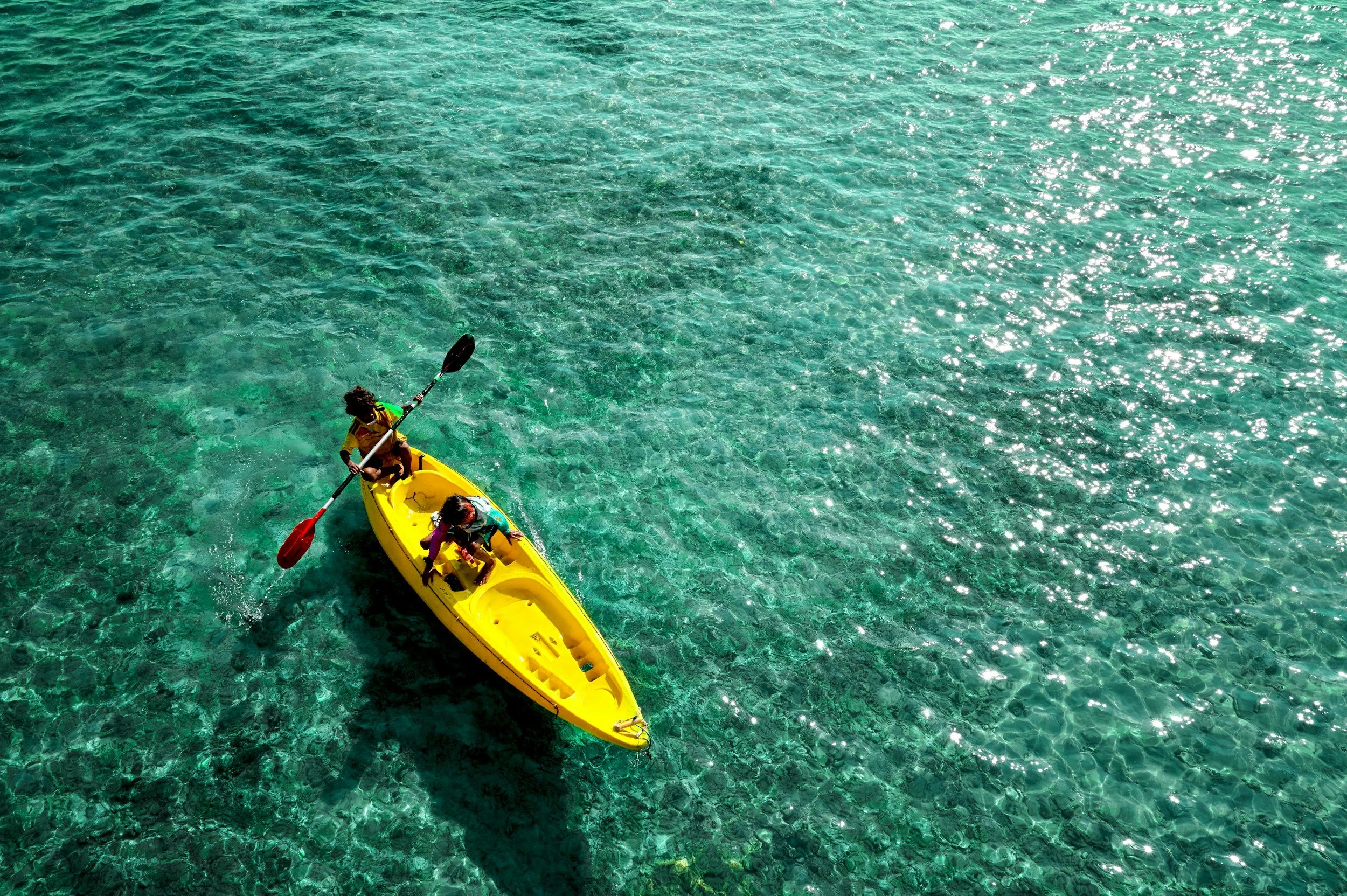
Kayaking
Paddle quietly along island coastlines, into sheltered bays and beneath sea cliffs, with expert guides leading every outing. Included in your fare and suitable for beginners; outings depend on weather, sea conditions and local permissions.
-
![A walking path above green hills and the sea]()
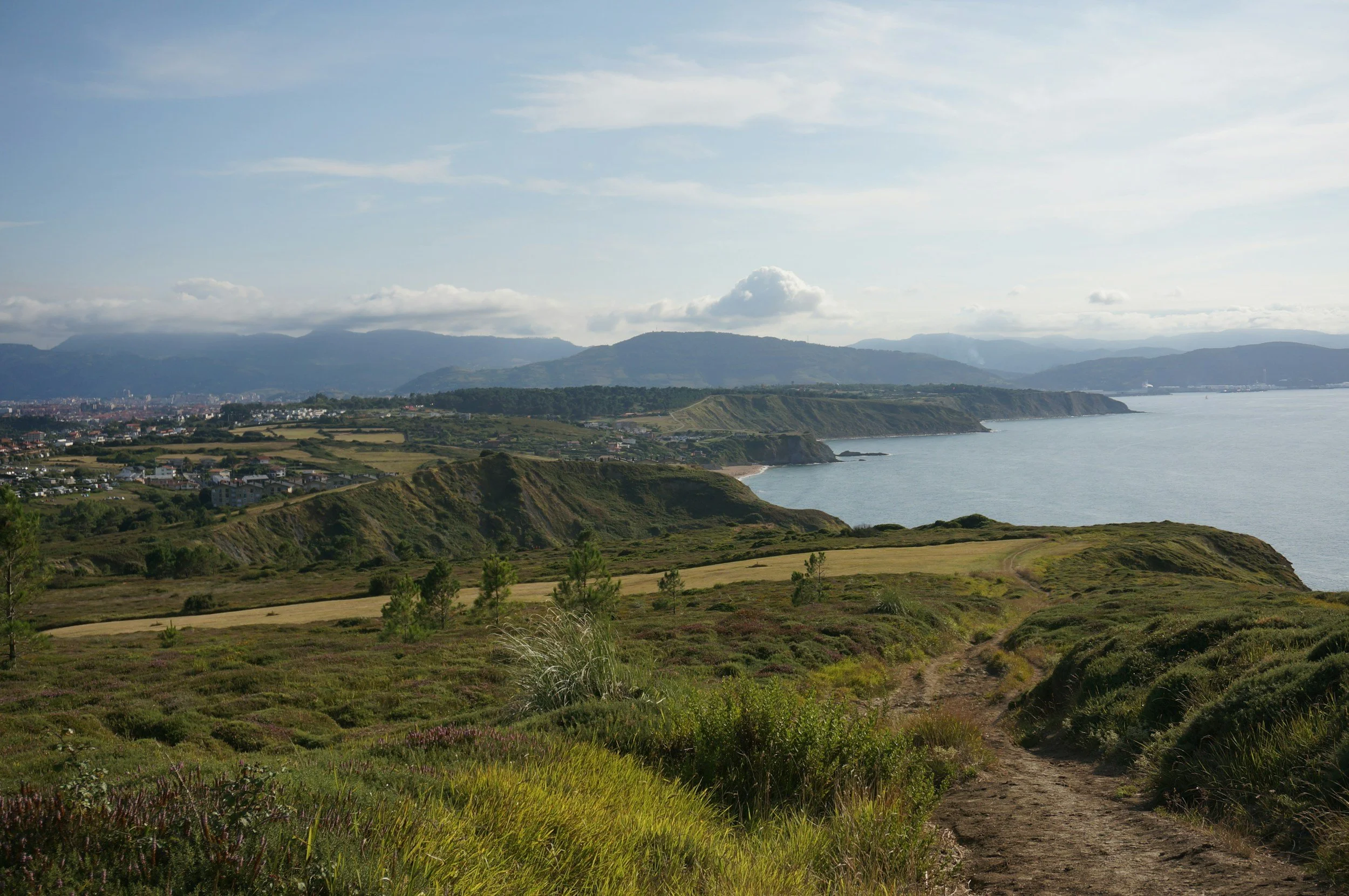
Hiking
Step ashore with expert guides and walk at a pace to suit you — along Madeira’s levadas, through Tenerife’s laurel forests, up to Skye’s Quiraing and across the machair of Harris. Walks depend on weather and local permissions.
-
![A swimmer in the open sea]()
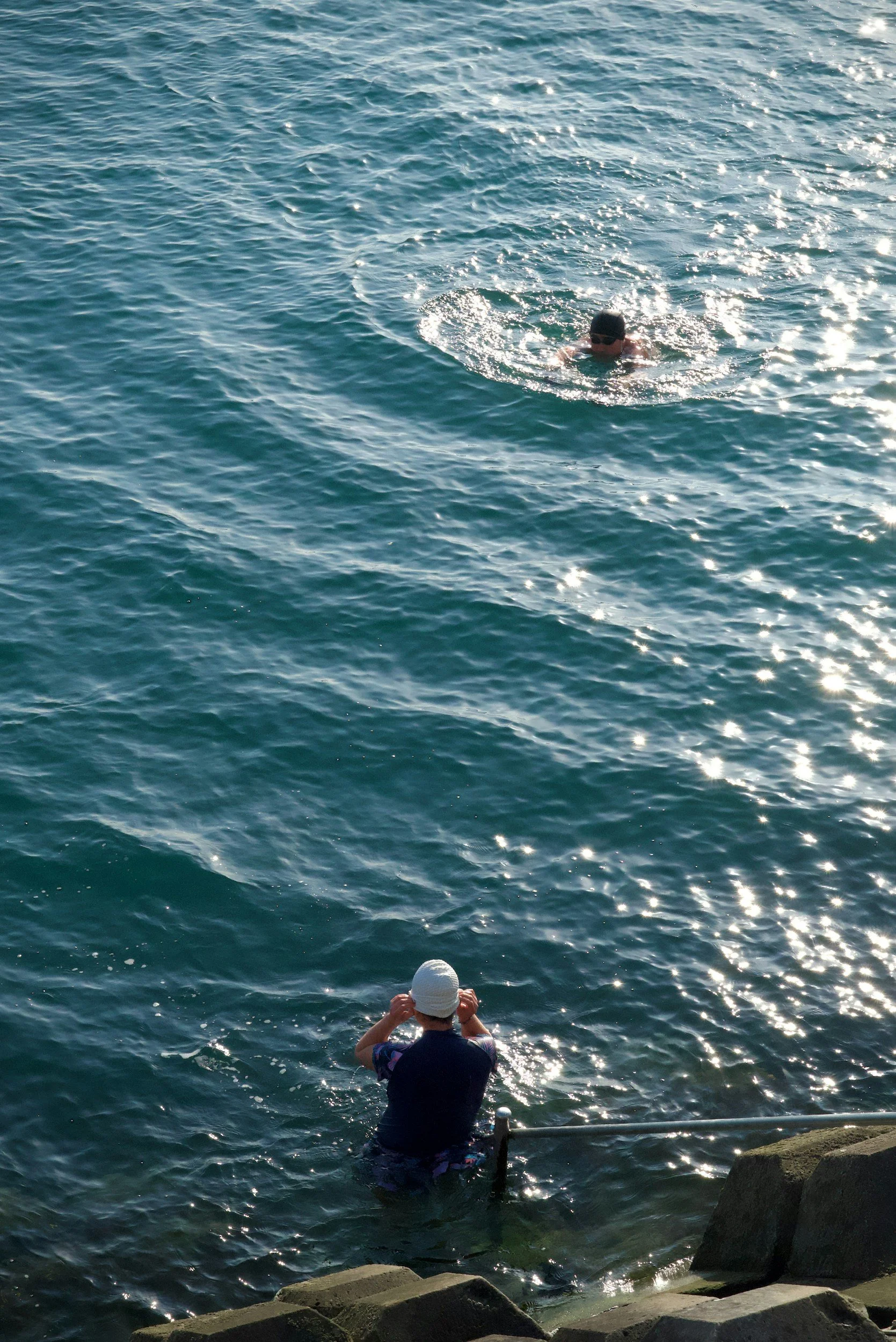
Swimming & Dipping
Take the plunge for a refreshing dip in the Atlantic. Guided by our team at suitable stops along the voyage, whenever weather, water conditions and local rules allow. Swimmers of all levels are welcome, and there is no pressure to join.
-
![A cyclist on a coastal road beside the sea]()
Biking
Explore the islands on two wheels. Guided rides on quiet coastal roads and island lanes let you cover more ground and see places the walking routes don’t reach. Rides depend on port access, weather and local conditions.
-
![A guest photographing the sea from the ship's deck]()
Photography Workshop
A talk from an expert expedition photographer, plus hands-on guidance on deck and during landings — from volcanic coastlines and sea cliffs to the changing Atlantic light. Suitable for all levels, from phones to pro cameras.
-
![A guest practising yoga on the ship's deck]()
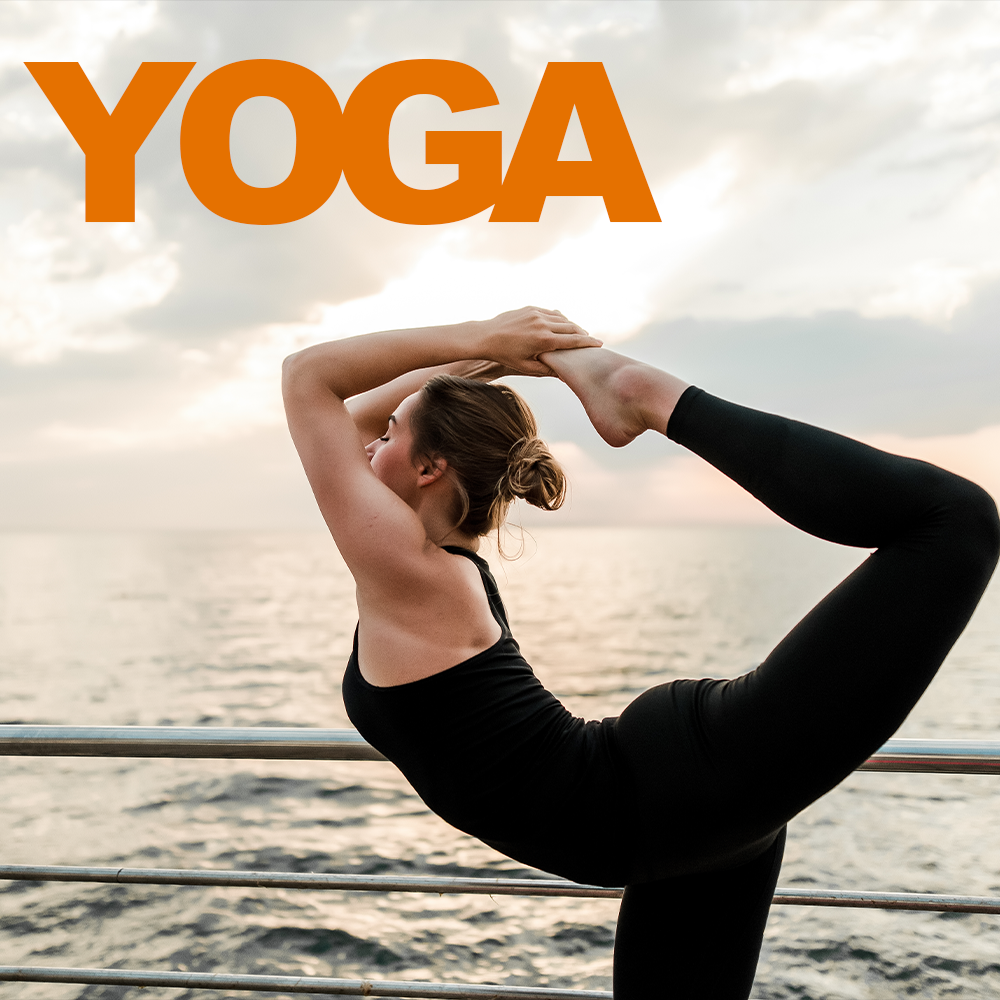
Morning Yoga
Gentle morning sessions to ease the body between days of exploration. Beginners welcome. Held indoors, or on deck when conditions allow.


No surprise charges when you board.
Everything here is included too.
-
Your cabin.
Fully serviced cabins with daily housekeeping, fresh linen, and en-suite bathrooms.
-
Every meal. Every day.
Three meals, all-day snacks, tea and coffee, and house beer/wine/soda during dinner hours.
-
Adventure activities.
Yoga, photography, swimming and dipping, kayaking, hiking and biking, plus Zodiac cruises, guided landings, talks and lectures — all included.
-
Expert equipment.
Loaned muck boots and activity gear and a personal outer layer expedition parka for you to keep.
-
Expert guides.
Expert-led shore excursions, daily lectures, and educational talks from naturalists, historians, and scientists.
-
Hotel Expenses
Basic Wi-Fi and crew gratuities are already included in your cruise fare.
Secure your spot with a small deposit now.
Your Ship:
The Terra Nova Adventurer
Proven in the Polar Regions.
Designed for Exploration.
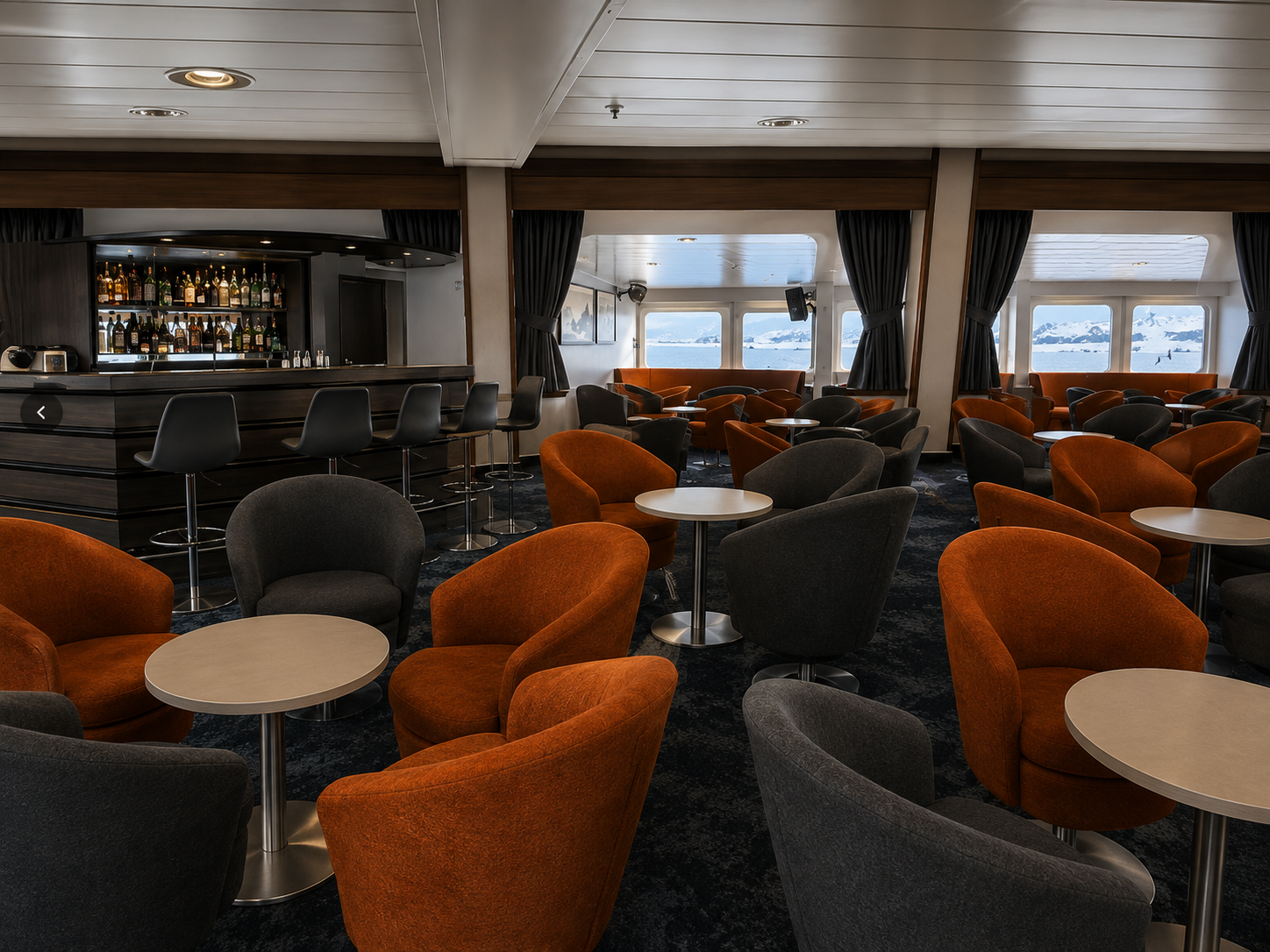
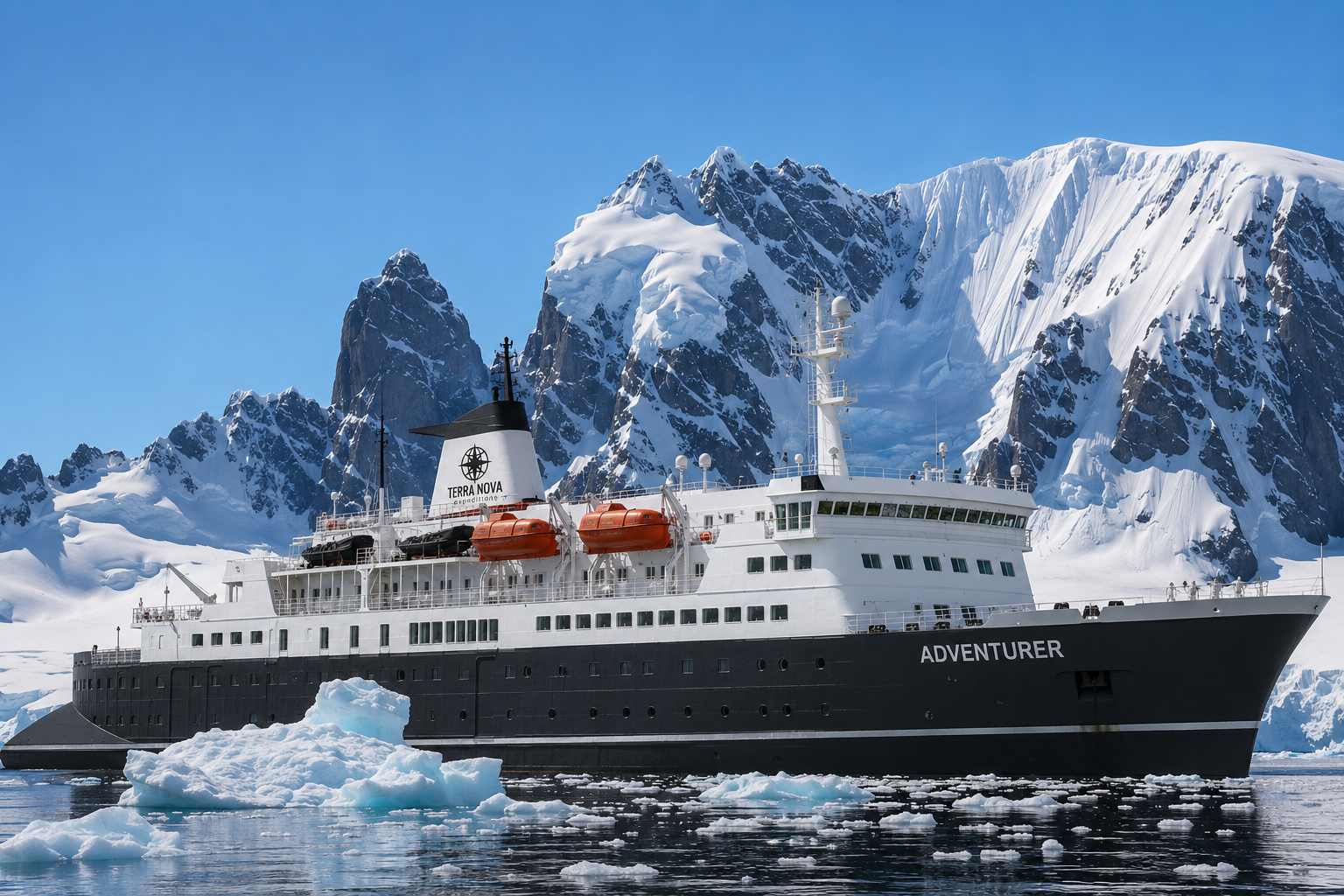
We carry an average of just 98.
More space. More expedition.
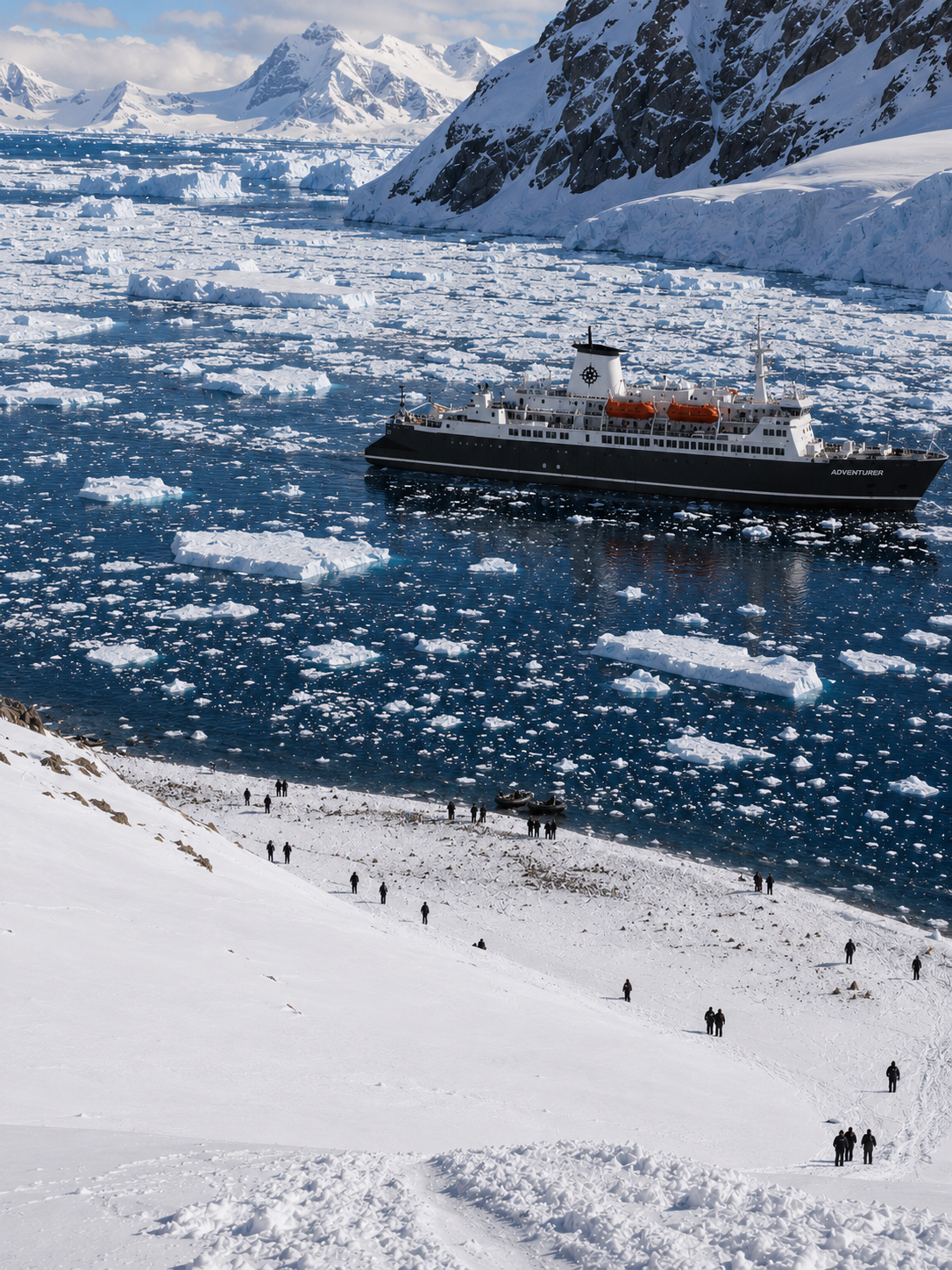
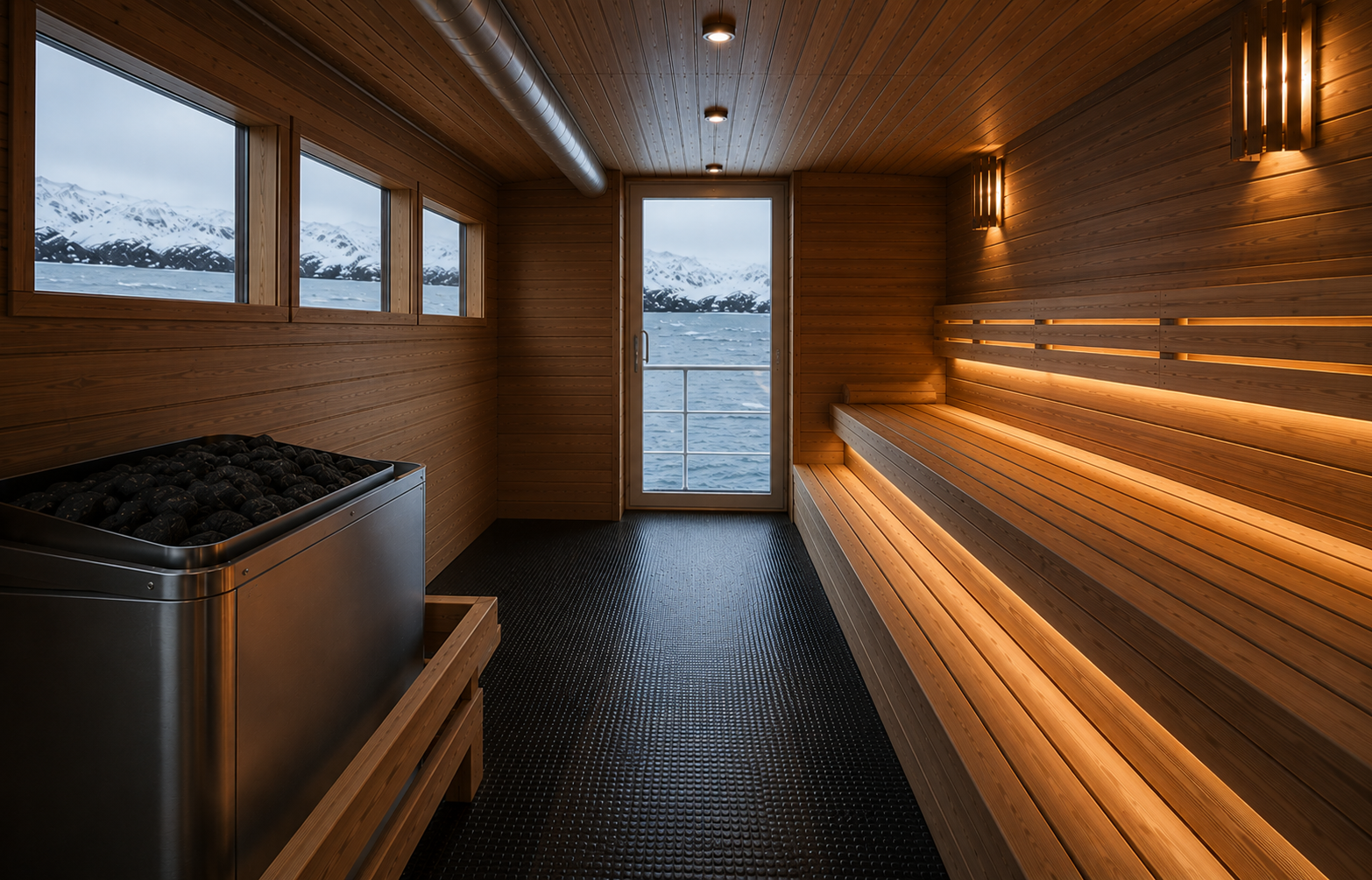
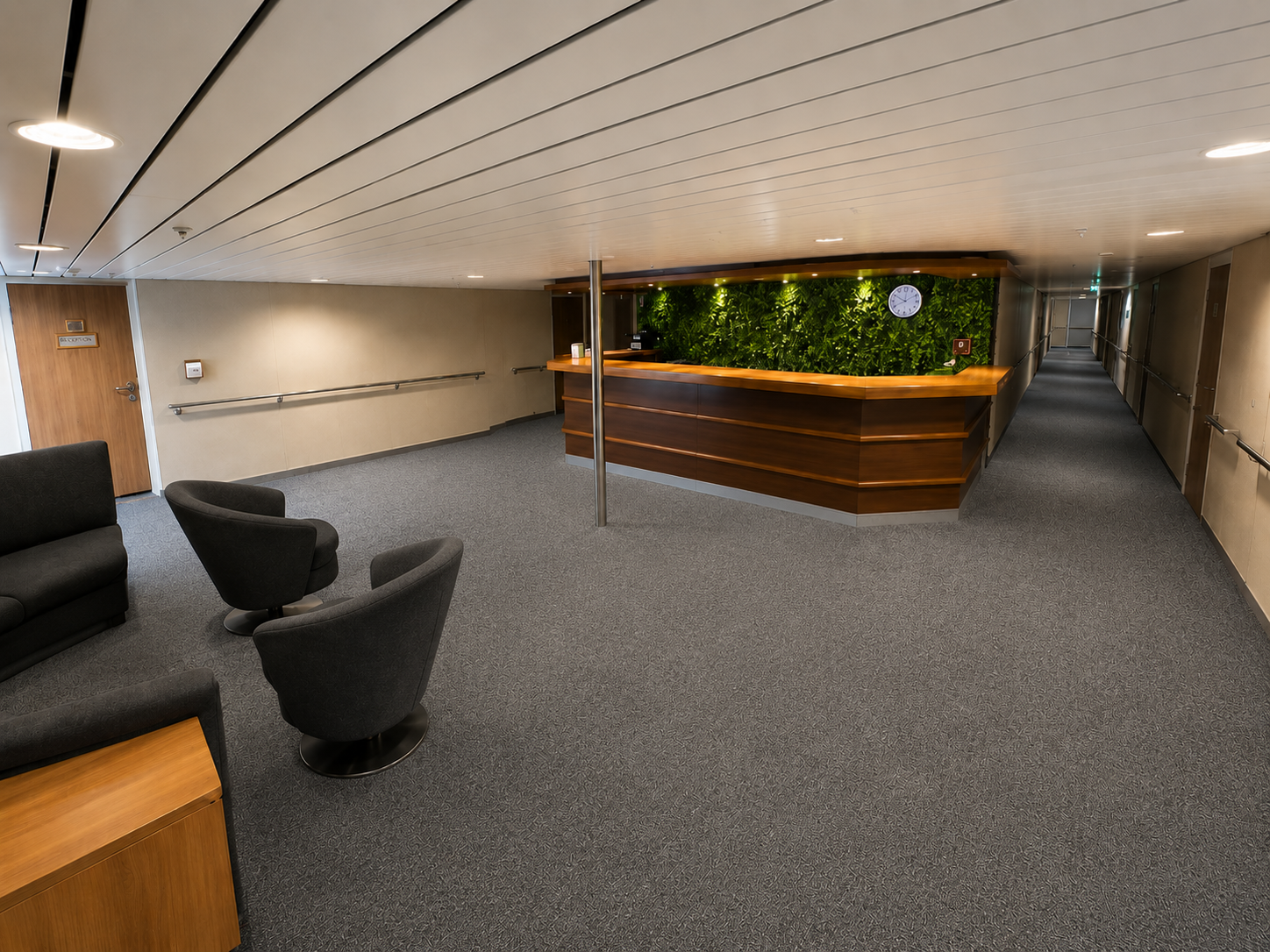
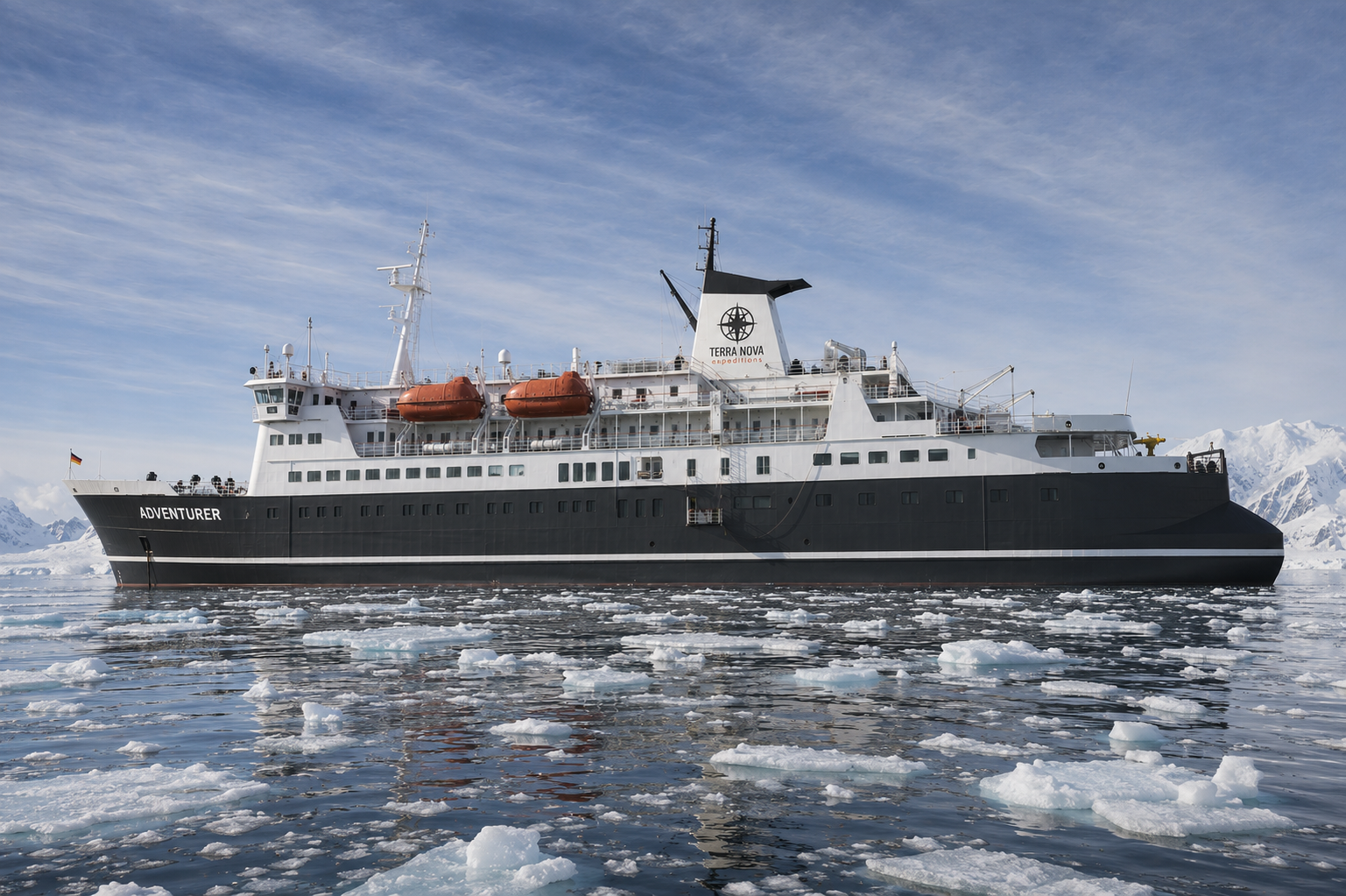
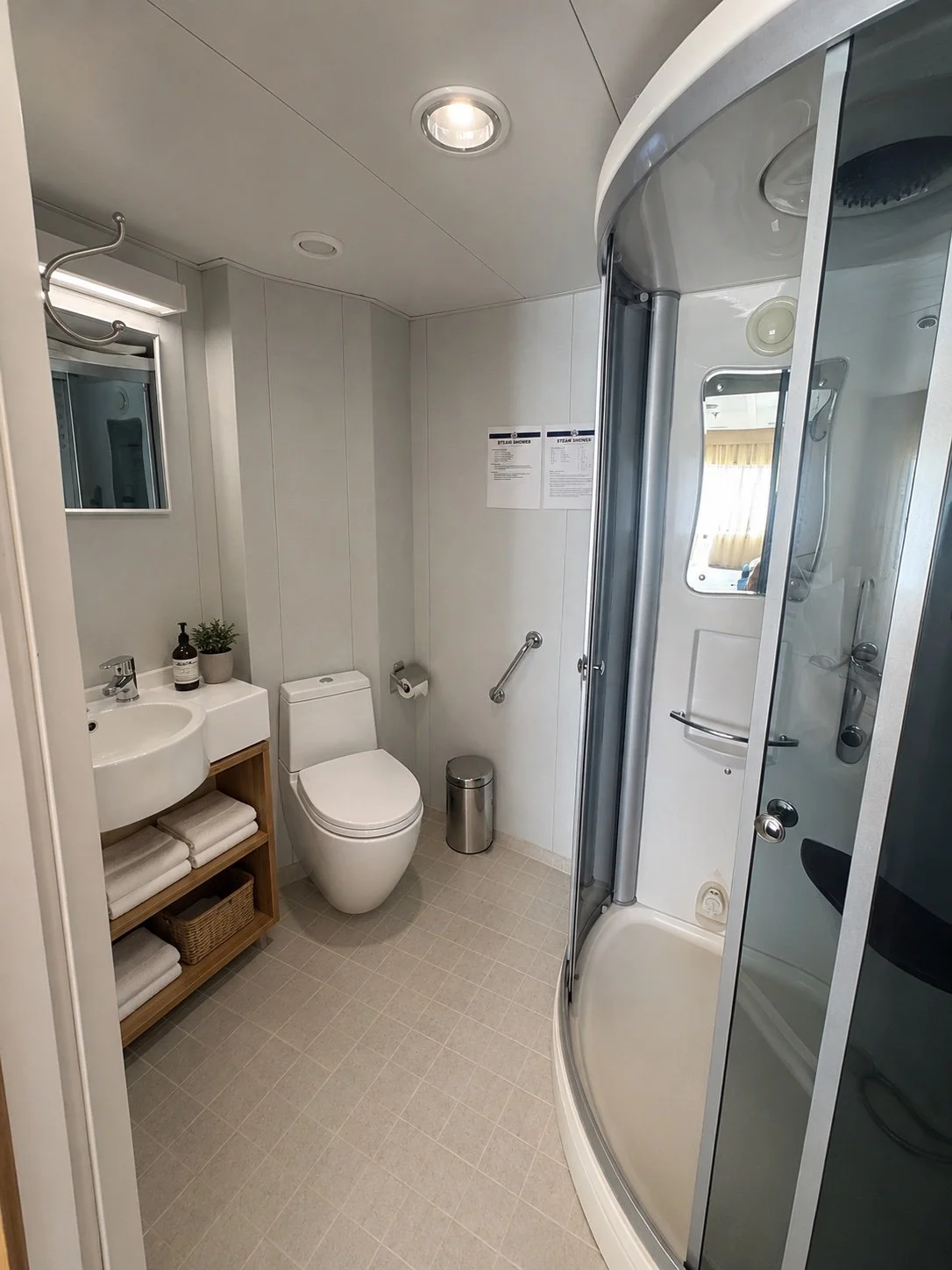
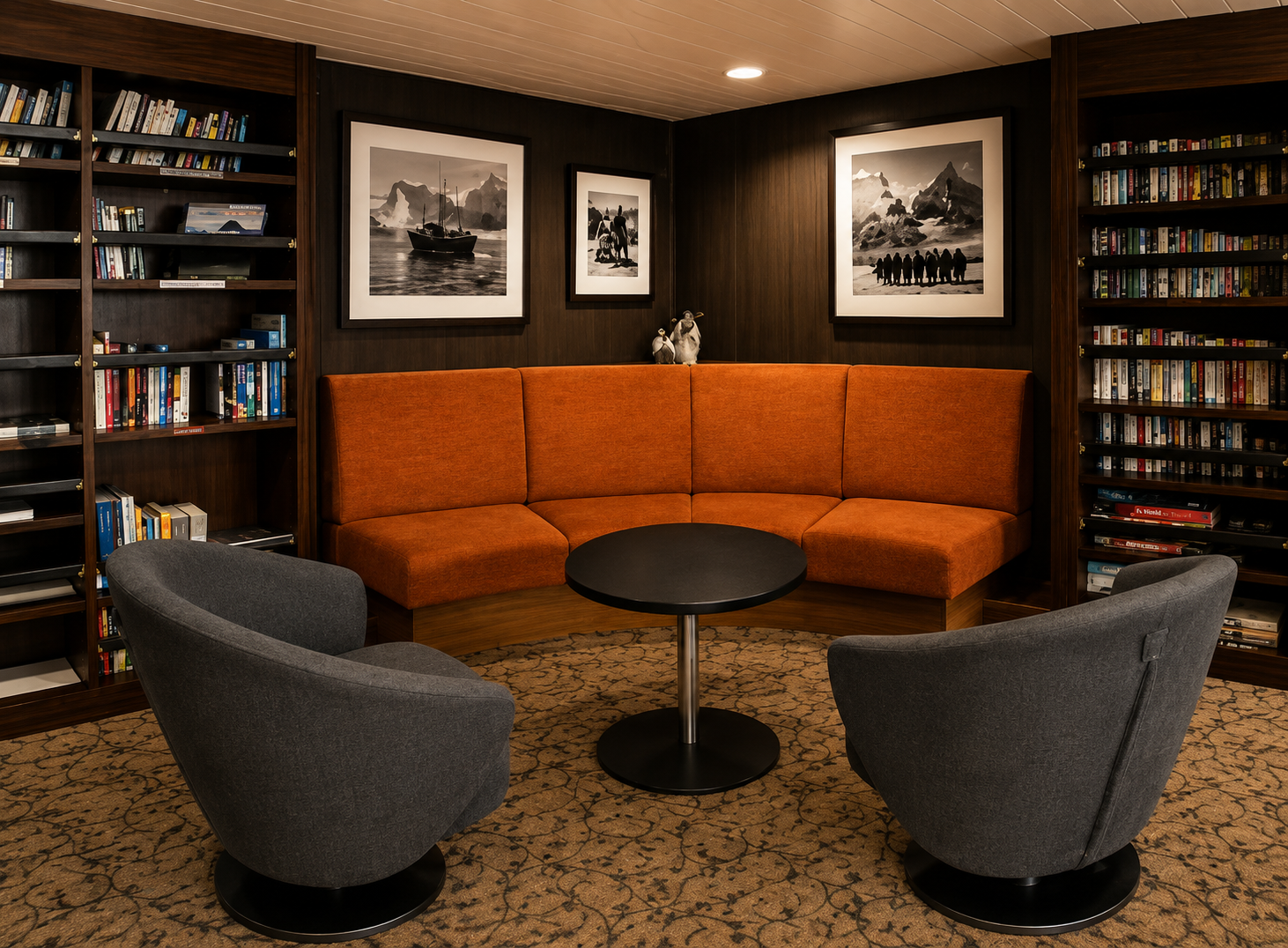
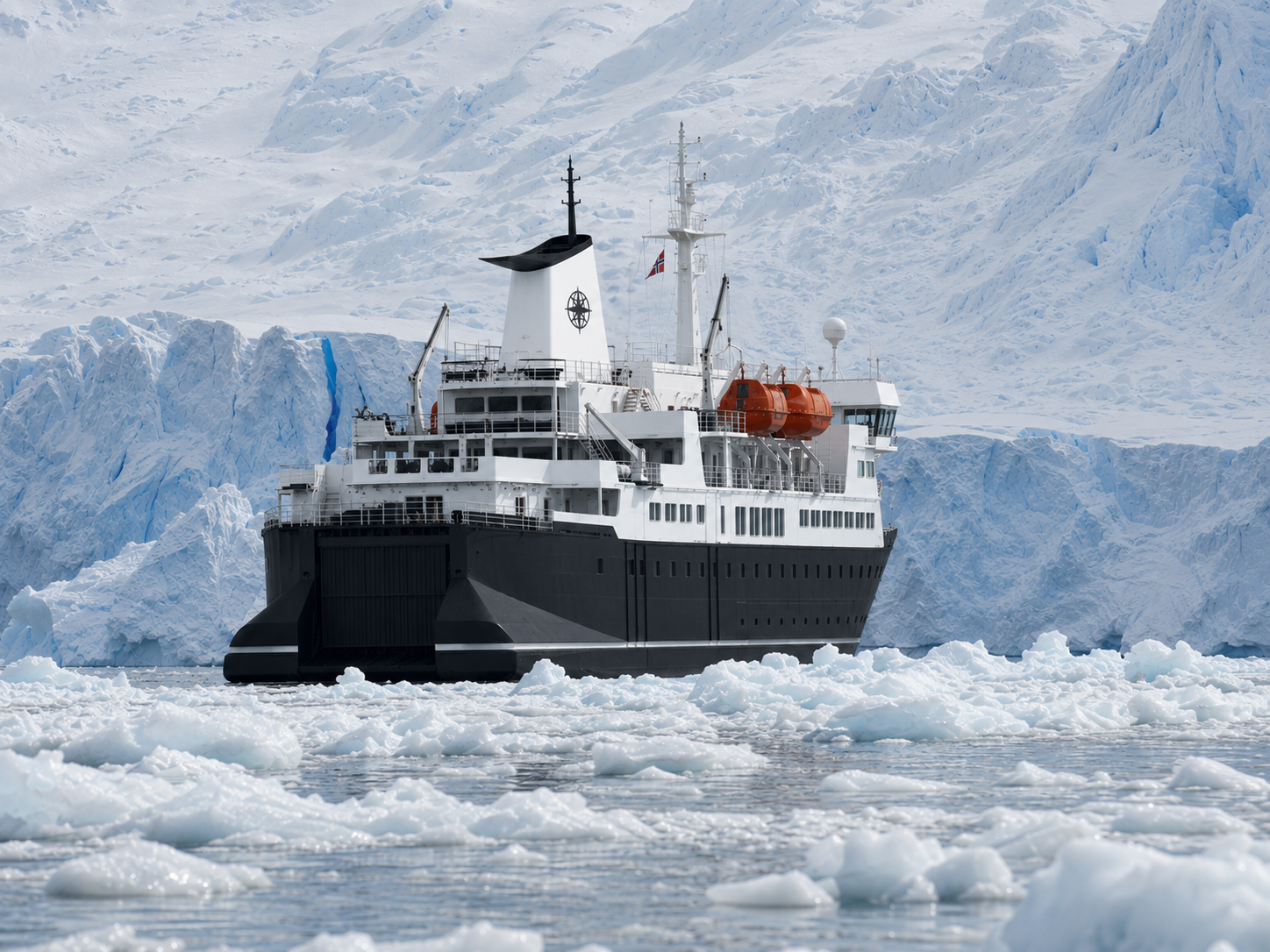
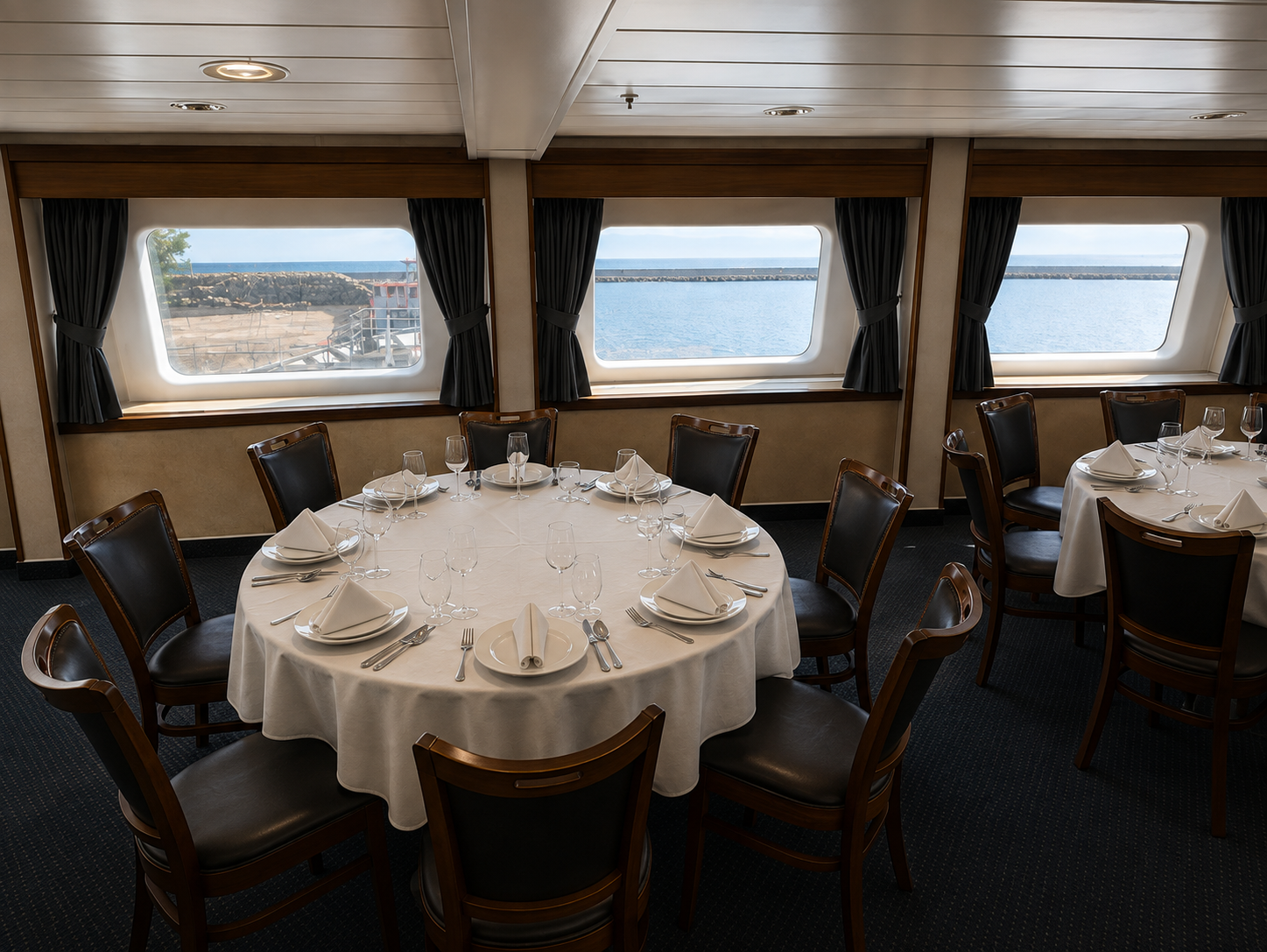
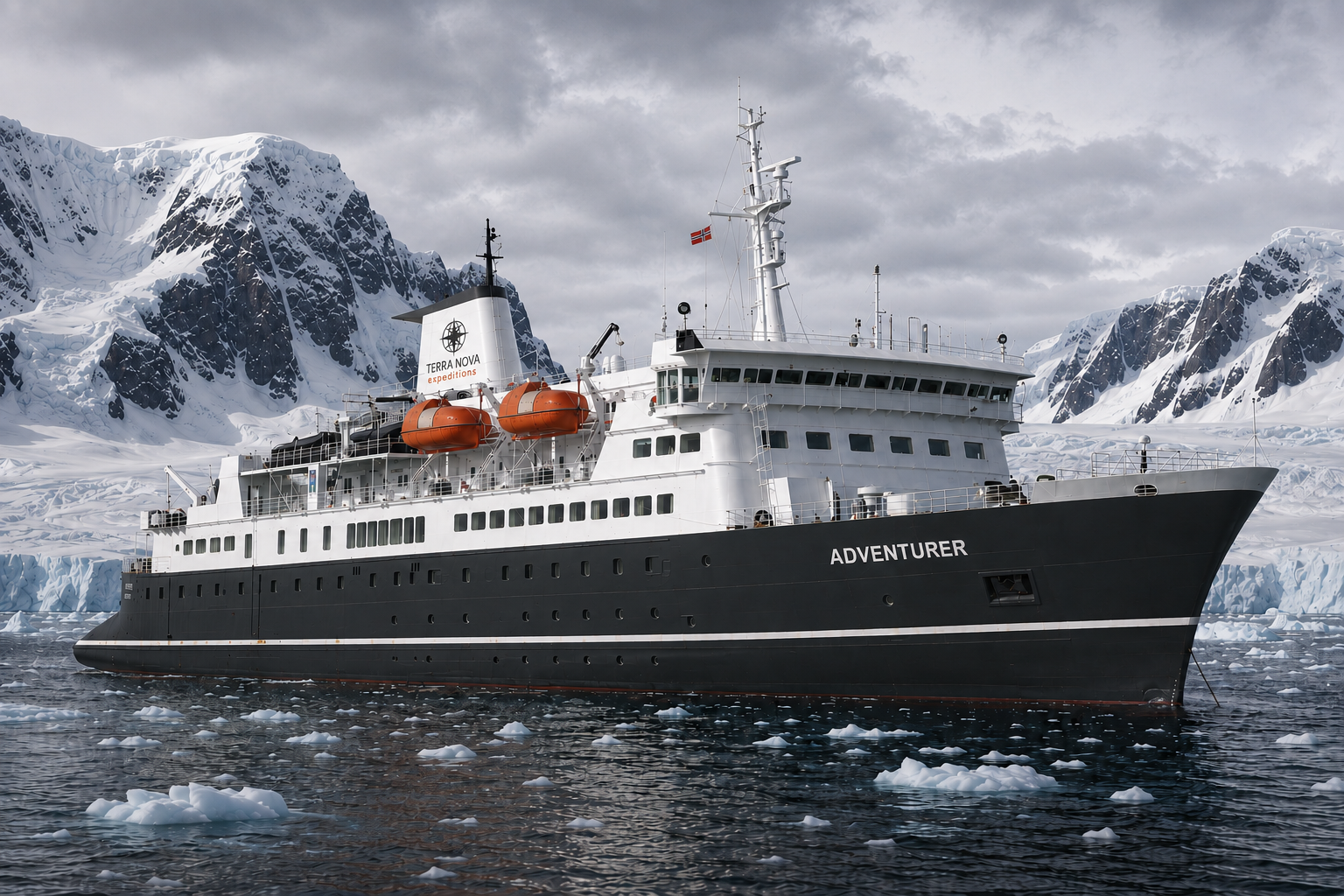
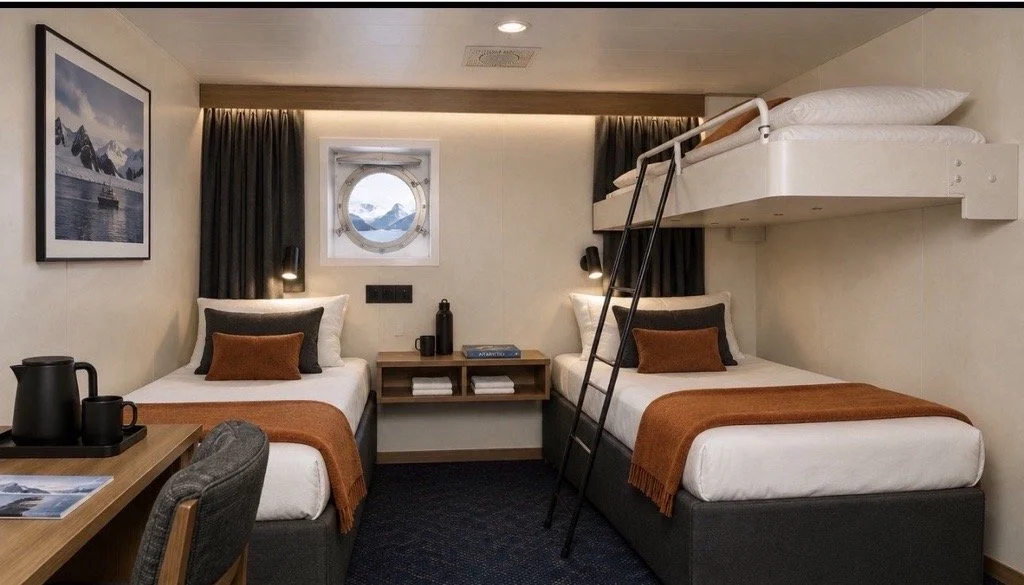
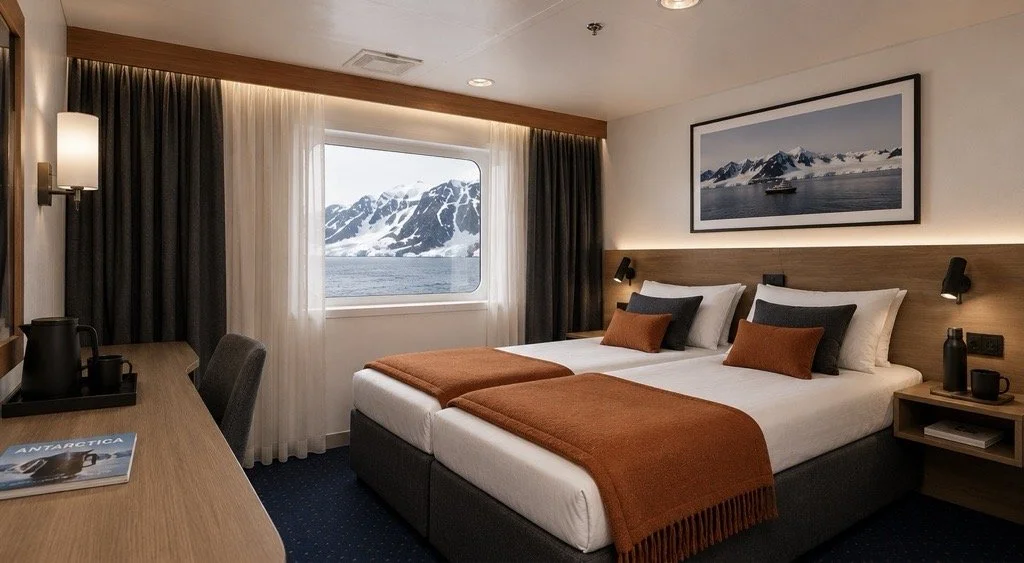
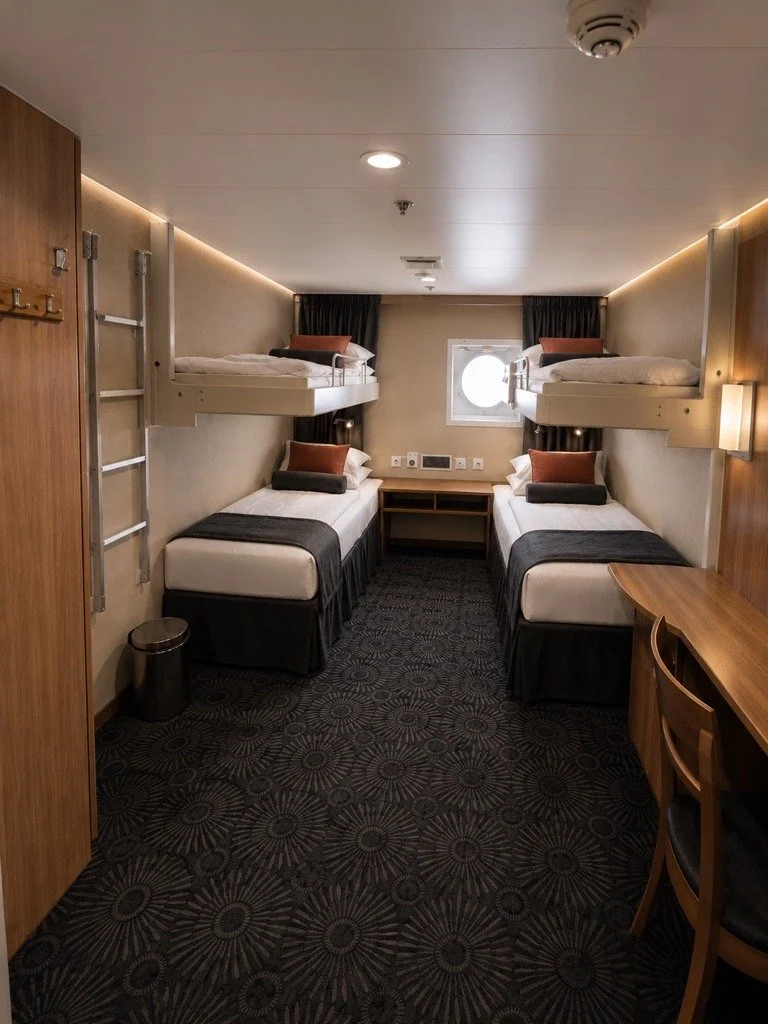
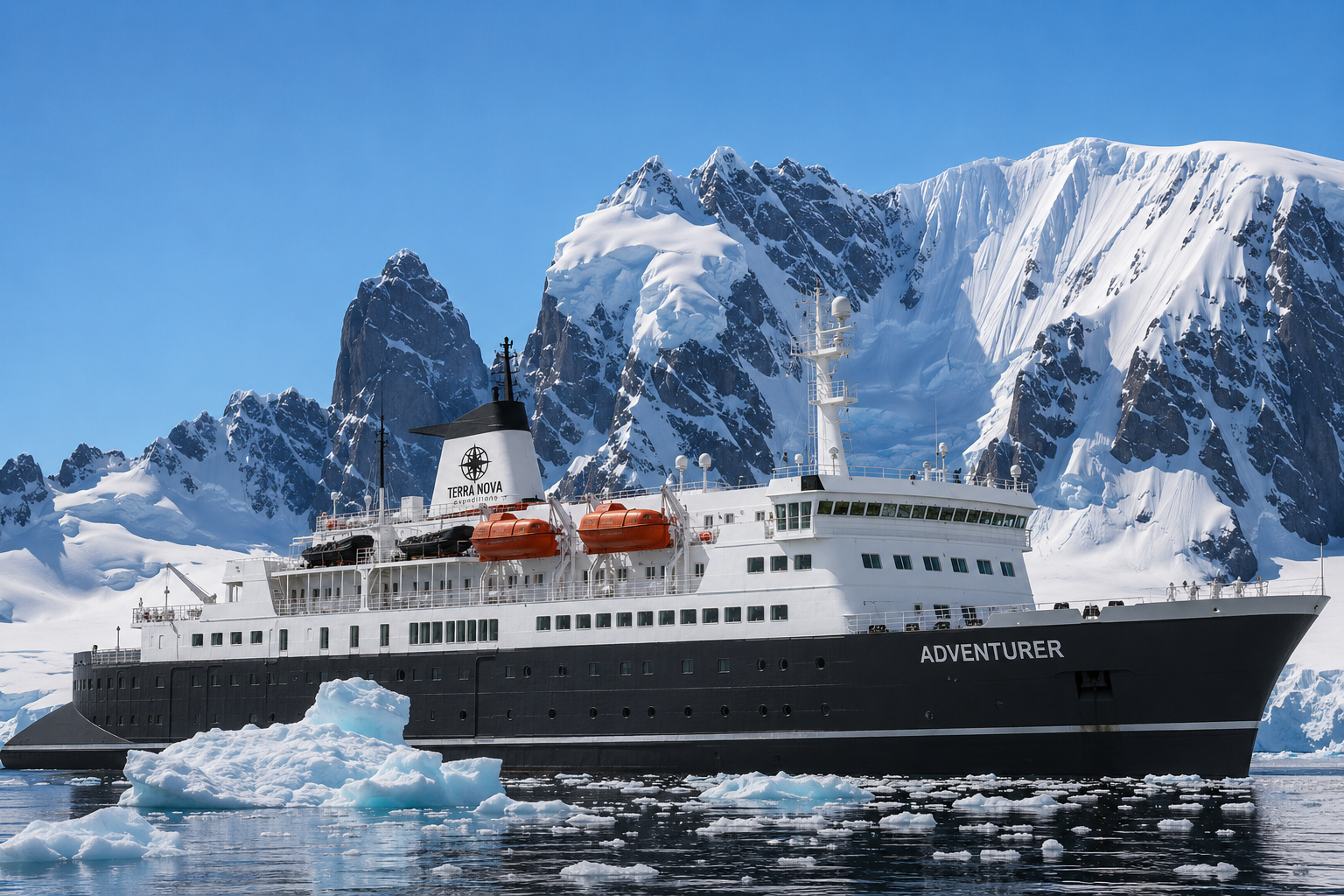
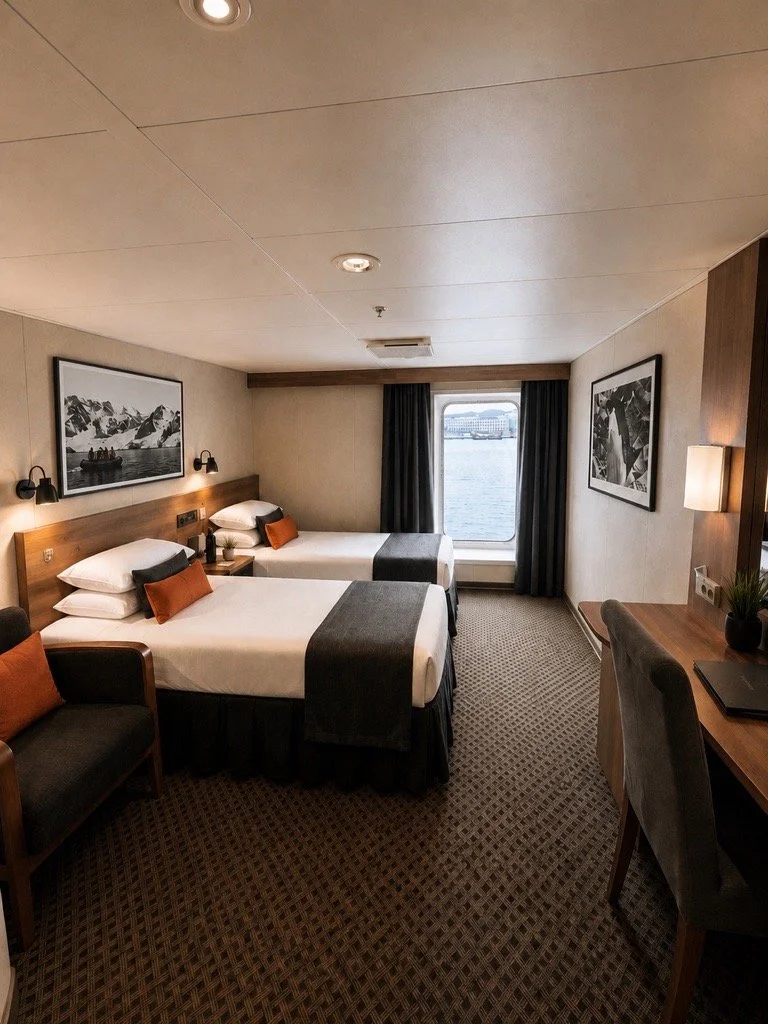
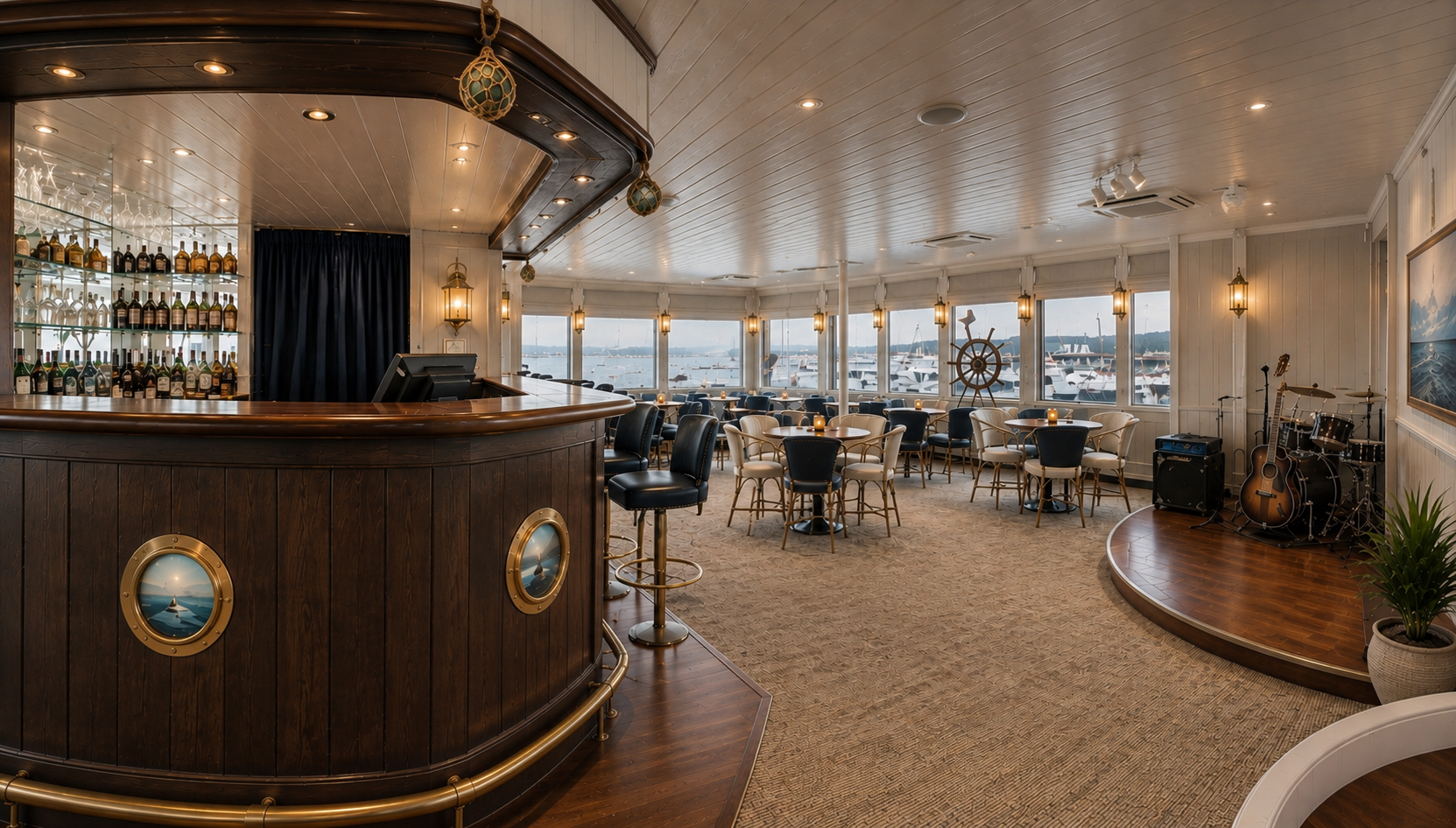
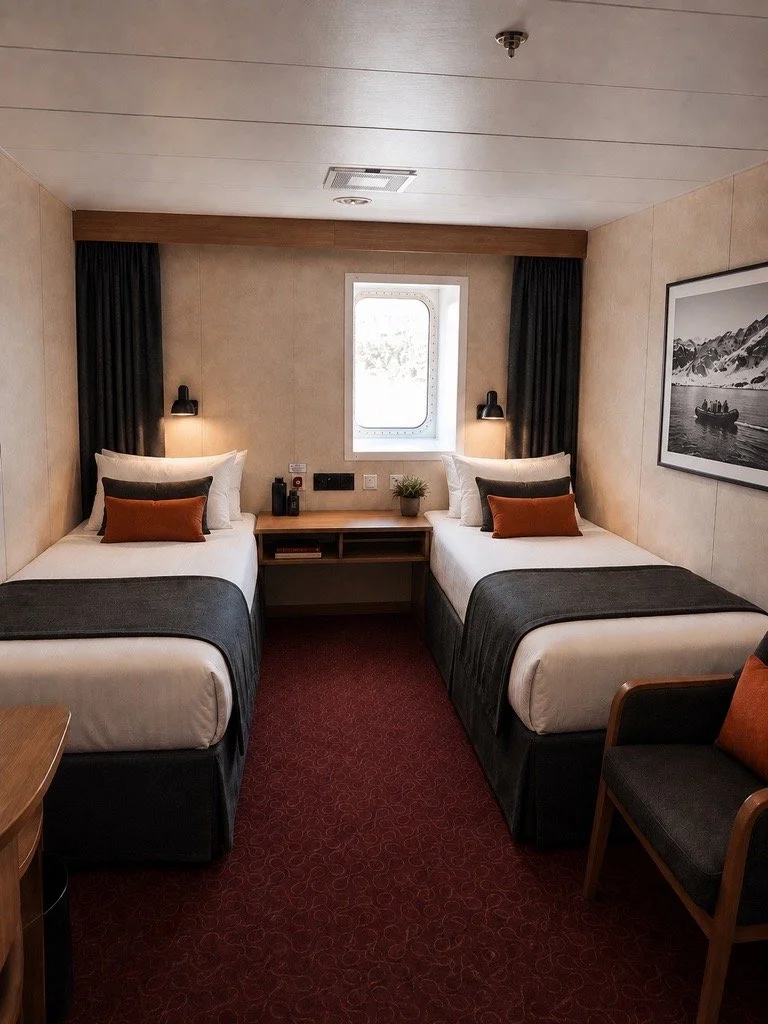
Guided by our experienced expedition team.
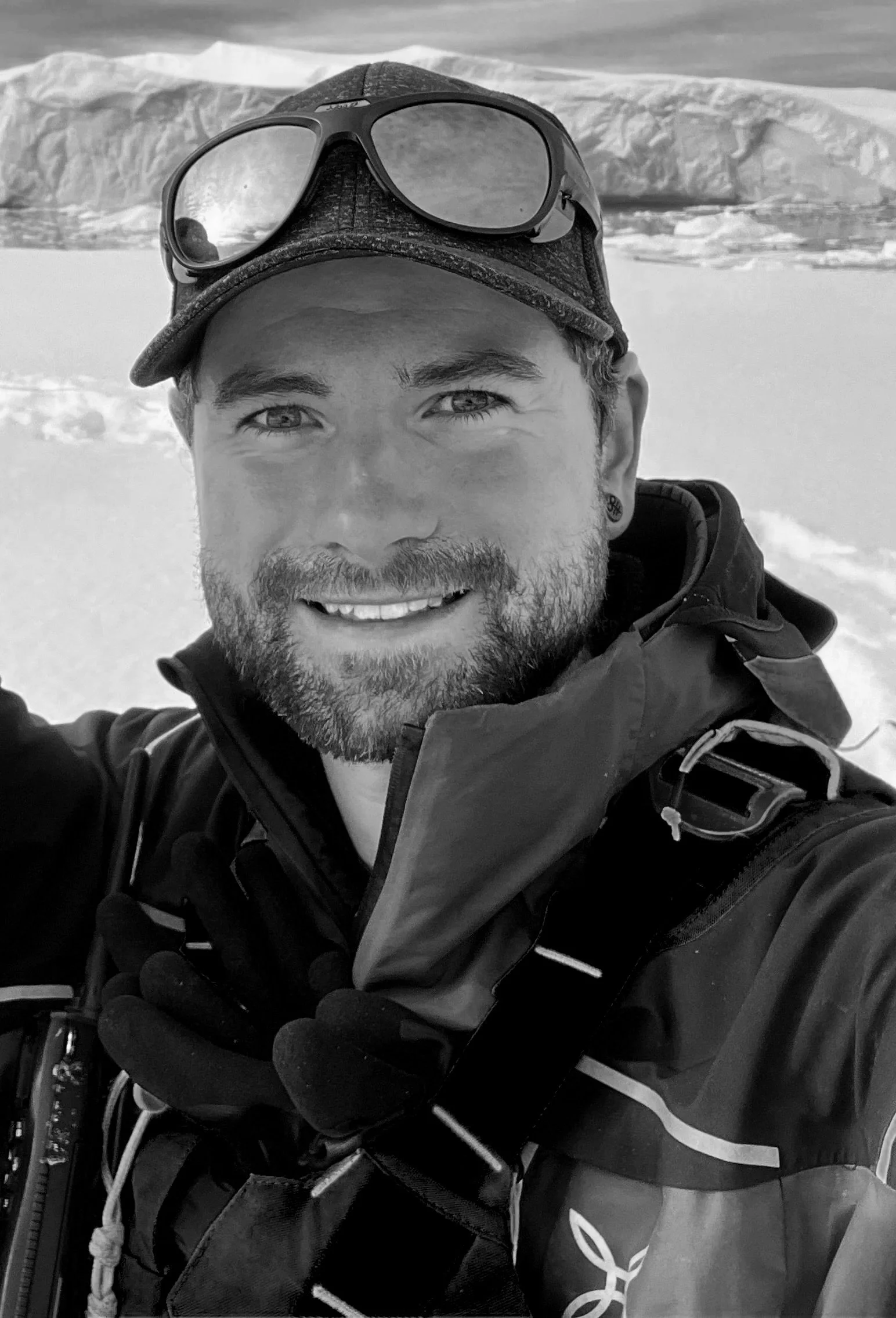
The same passionate team, voyage after voyage. Naturalists, historians, and guides who have given their careers to the polar regions.
-
![Ryan Hope-Inglis]()
Ryan Hope-Inglis
Expedition Leader
A veteran of more than 100 polar voyages. Ryan brings a wealth of enthusiasm, passion and experience to Terra Nova Expeditions.
-
![Ida Olsson]()
Ida Olsson
Expedition Leader/Glaciologist
Ida has spent a decade living at 78° North in Svalbard. One of the last people to ski to the North Pole. When Ida says she knows the cold and remote, she means it personally.
-
![David Baillie]()
David Baillie
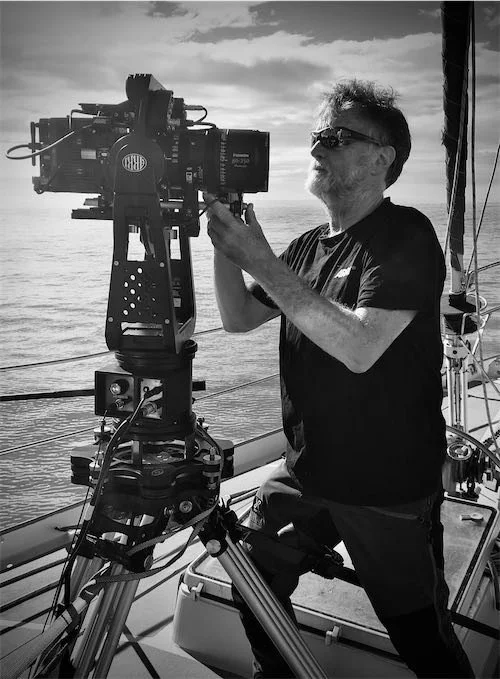
Cinematographer & Guide
Dave is an award-winning Director of Photography capturing stories in some of the world’s most remote environments, with extensive experience in the polar regions and work on major BBC series like Planet Earth and Frozen Planet.
-
![Dr Jarrod Mckenna]()
Dr Jarrod Mckenna
Naturalist
Jarrod is a reproductive biologist, TED speaker, and expedition guide based in Melbourne. His research spans female reproductive health across species, and he brings his passion for science to inspire respect for the natural world and future scientists. -
![Gaby Pilson]()
Gaby Pilson
Expedition Leader/Geologist
Gaby is a seasoned expedition guide and outdoor educator with a background in geosciences, meteorology, and philosophy. She’s always ready to dive into all things polar over a good cup of coffee.
-
![Dr Sara Torres Ortiz]()
Dr Sara Torres Ortiz
Naturalist, Citizen Science Coordinator
Sara is a marine biologist and postdoctoral researcher, studying animal cognition and communication. She works with whales, dolphins, and porpoises worldwide and helps travelers connect with the natural world through informed, respectful wildlife encounters.


Your fare covers everything you need for the voyage itself:
- Accommodation in a fully serviced cabin throughout the voyage
- Three meals, all-day snacks, tea, coffee, and house beer, soda, and wine during dinner hours
- Shore excursions — guided landings and walks, Zodiac cruising and onboard talks, weather and local permissions allowing
- Expert expedition team of guides, naturalists, historians and lecturers
- Expedition parka for you to keep, plus rubber muck boots on loan
- Port fees and landing permits
- Gratuities for crew
- Basic Wi-Fi — upgrades available for a fee
Not included: flights, pre- and post-voyage accommodation, personal onboard bar charges, boutique purchases, Wi-Fi upgrades and optional activities such as the Santo Antão ferry day trip in Cape Verde.
This voyage crosses a wide range of climates between late April and mid-May. Expect warm, sunny weather in Cape Verde, the Canaries and Madeira, mild days in the Azores, then cooler, changeable conditions in Ireland and the Scottish islands, where wind and showers are likely on deck and in the Zodiacs.
Seven days are spent fully at sea, including the open-Atlantic crossings, which can be lively. If you are prone to motion sickness, see our FAQ “What seasickness precautions do you recommend?”. Pack for both ends of the voyage: sun hat and sunscreen for the south, and good waterproof layers, warm gloves and a hat for the north. We will send a detailed packing list after booking.
You don’t need to be an athlete, but you should be in good general health and comfortable with light to moderate physical activity. Shore landings involve boarding Zodiacs from a moving platform, stepping onto uneven or slippery ground, and walking over hillsides, cliff paths and beaches. Port days are optional and paced to suit you, and you are always free to take it easier.
All guests complete a pre-departure medical form, which is reviewed by our onboard doctor. In certain cases we may request clearance from your general practitioner, and in rare instances our doctor may decide that participation is not possible for safety reasons. If you have specific health concerns, please speak with your doctor before booking and contact us to discuss your needs.
We carry an average of 98 guests on a ship built for up to 142 — more space, more flexibility and more time ashore. At sensitive sites such as St Kilda and Iona, landings may be run in groups, led by our expedition team.
Our guests are a mix of curious, well-travelled people from Europe, North America, Australia and Asia, many drawn by the history, culture and wildlife of the islands. Our expedition team will be with you every day on deck, in the Zodiacs and ashore.
Full details of our deposit requirements and cancellation policy are set out in our Terms & Conditions.
We strongly recommend purchasing comprehensive travel insurance that includes cancellation cover. We require coverage for medical emergencies and evacuation — given the remote nature of expedition voyages, this is essential rather than optional. If you have questions about a specific voyage or booking, speak with our team — we’re happy to walk you through everything before you commit.
Most days include a port call, landing or Zodiac cruise, with seven days at sea on the open-ocean passages. Our route is a plan, not a promise: the expedition team and Captain adjust each day according to weather, sea conditions and local permissions.
Some landings are especially weather-dependent. St Kilda is our swing day: if conditions allow, we land on Hirta; if not, the day is used to protect the rest of the itinerary. Landings at Iona and Staffa depend on the swell, and ports and sites named in the itinerary are possible options, not confirmed calls. A daily programme will be provided onboard.
The open Atlantic between the Azores and Ireland is deep-water whale country, where sperm, fin and sometimes blue whales are possible, and dolphins and flying fish are likely to be spotted along the way. The Scottish islands add some of the great seabird colonies of the North Atlantic — gannets at St Kilda, and puffins, guillemots and great skuas at Handa.
Any sighting is a matter of luck and cannot be guaranteed. Bring binoculars and a long lens if you have one — and expect some of your best wildlife moments from the ship or Zodiac.
Embarkation takes place on Sal, Cape Verde, on the afternoon of Tuesday 25 April 2028. We strongly recommend arriving at least one day earlier to allow for potential travel delays. Further details about your meeting point and luggage drop will be provided in your embarkation letter, approximately 30 days before departure.
We arrive in Aberdeen early on Wednesday 17 May 2028, and disembark at about 06:00. Please plan your onward travel with this early start in mind.
Yes. Our team can help with flights to Cape Verde and onward from Aberdeen, and with accommodation before or after your voyage. Speak with our team about adding a night or two in Sal at the start, or in Aberdeen at the end — it is a relaxed way to begin or finish a long voyage.
Still have questions? Speak with our team about a specific voyage or booking — we're happy to walk you through everything before you commit.
Frequently Asked Questions
The 2028 Arctic season is now open.
Flexible cancelation policy
All-inclusive pricing
Secure booking & payment