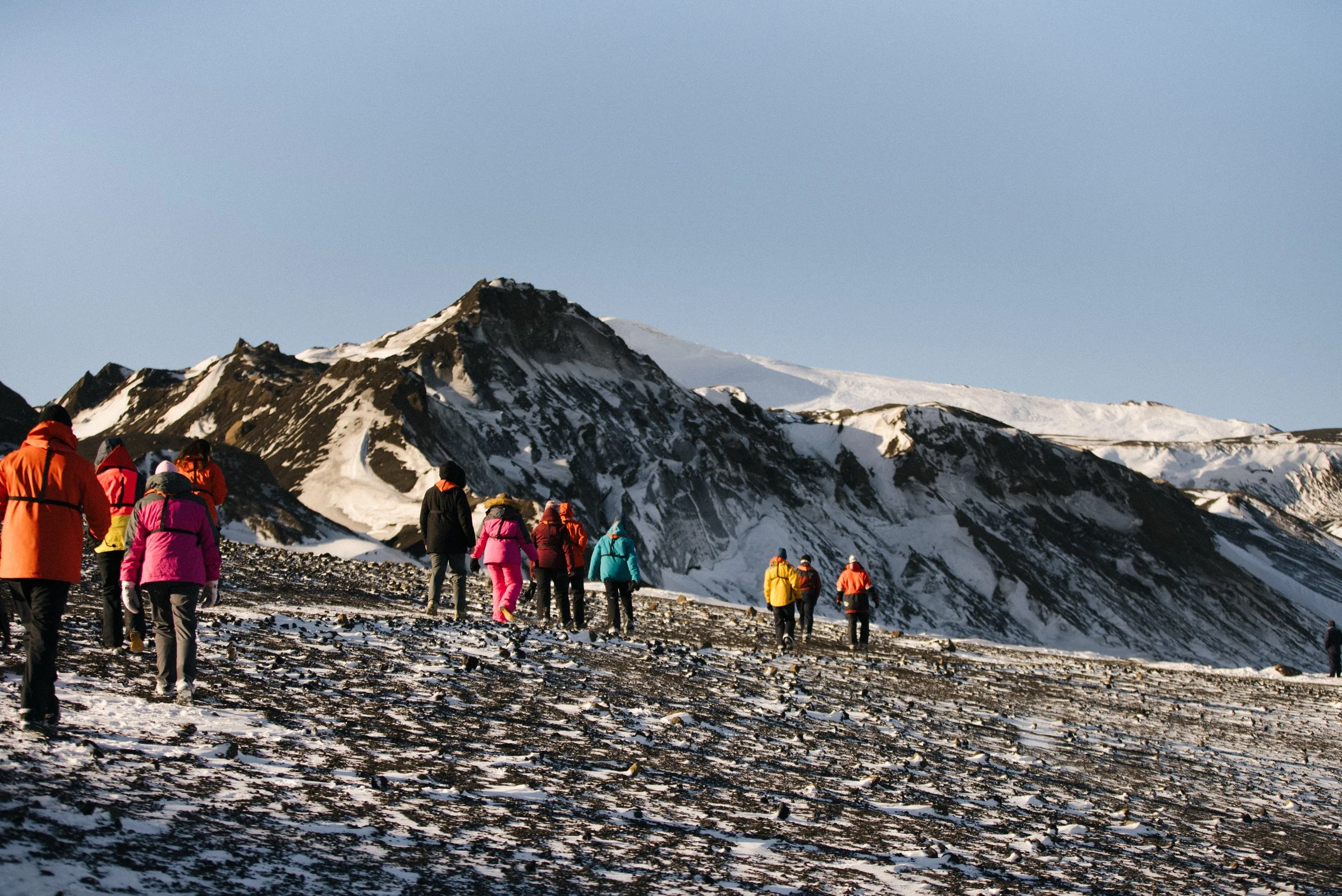
Best Time to Travel to Antarctica: A Complete Guide to Antarctic Seasons
Antarctica is not a year-round destination. The timing of your voyage fundamentally shapes what you’ll see, how you’ll experience the continent, and the type of expedition that’s possible. From pristine early-season landscapes to peak wildlife encounters and dramatic late-season light, each part of the Antarctic summer offers something unique.
This guide breaks down the Antarctic travel season month by month, helping you choose the best time to visit based on wildlife, weather, photography, adventure level, and overall experience.
When Can You Travel to Antarctica?
Antarctica is accessible only during the Southern Hemisphere summer, from late October to late March. Outside of this window, extreme cold, sea ice, and darkness make travel unsafe and impractical.
The season is typically divided into:
Early Season: Late October – November
Mid Season: December – January
Late Season: February – March
Each period delivers a distinctly different Antarctic experience.
Early Season (Late October – November): The Untouched Antarctic
Early season is Antarctica in its most pristine state. Sea ice is just beginning to break up, snow blankets the landscape, and human impact is minimal.
What to Expect
Vast, untouched white landscapes
Fresh snowfall and dramatic ice formations
Fewer ships and visitors
Longer shadows and soft polar light
Wildlife Highlights
Penguins arriving to nesting sites
Courtship displays and nest building
Seals hauled out on ice floes
Weather & Conditions
Temperatures typically range from –5°C to 5°C
Colder but crisp and dry
Sea ice may limit access to some areas, adding an exploratory feel
Best For
Landscape and fine-art photographers
Travellers seeking solitude and raw wilderness
Those wanting a “first footprint” feel to landings
Early season voyages feel like true exploration — fewer footprints, more silence, and a sense of discovery that’s hard to replicate later in the season.
Mid Season (December – January): Peak Antarctic Summer
This is the most popular time to visit Antarctica, and for good reason. The continent comes alive, access improves, and conditions are at their most stable.
What to Expect
Peak wildlife activity
Maximum daylight (up to 24 hours in parts of Antarctica)
Consistent landings and zodiac operations
Wildlife Highlights
Penguin chicks hatching and being fed
Intense activity at rookeries
Whales beginning to arrive later in the period
Seals with newborn pups
Weather & Conditions
Temperatures range from 0°C to 8°C
Calmest seas of the season (on average)
Excellent conditions for kayaking, camping, and extended shore time
Best For
First-time Antarctic travellers
Families and educational expeditions
Wildlife photographers and filmmakers
Travellers wanting the broadest experience
December and January offer the most balanced Antarctic experience — wildlife, access, and comfort all align.
Late Season (February – March): Whales, Water & Wild Drama
Late season is often underestimated, yet it delivers some of the most dramatic and wildlife-rich moments in Antarctica.
What to Expect
More open water and fewer ice barriers
Deeper penetration into remote areas
Stunning sunsets and golden polar light
Wildlife Highlights
Peak whale activity (humpbacks, minkes, orcas)
Penguin chicks fledging and heading to sea
Increased seal activity
Excellent marine life encounters
Weather & Conditions
Temperatures from 0°C to 6°C
Snow gives way to exposed rock and ice-sculpted coastlines
Slightly rougher seas possible, especially on the Drake Passage
Best For
Whale enthusiasts
Experienced travellers and photographers
Adventurers wanting less ice and more water-based exploration
Late season Antarctica feels alive — dynamic, raw, and rich with marine life.
What’s the Best Month to Visit Antarctica?
There’s no single “best” month — only the best month for your priorities.
If you want…
Untouched landscapes: Late October – November
Penguin chicks: December – January
Warmest temperatures: January
Whales: February – March
Fewer crowds: Early or late season
Photography variety: Late November or February
Choosing the Right Season for You
When planning an Antarctic expedition, consider:
Wildlife priorities (penguins vs whales)
Photography goals (snow vs contrast)
Comfort level (colder early season vs milder mid-season)
Adventure appetite (more ice vs more water)
Smaller expedition ships with flexible itineraries can adapt more easily to seasonal conditions, offering deeper experiences regardless of when you travel.
Final Thoughts: Antarctica Has No Off-Season
Every Antarctic season tells a different story:
Early season whispers exploration
Mid season hums with life
Late season roars with ocean energy
The key is not chasing a “perfect” month — it’s choosing the right season for the experience you want.
If you’re willing to travel to the end of the Earth, Antarctica will meet you halfway — no matter when you go.
Check out all our small ship Antarctic Expeditions for more details or Contact us for more information.