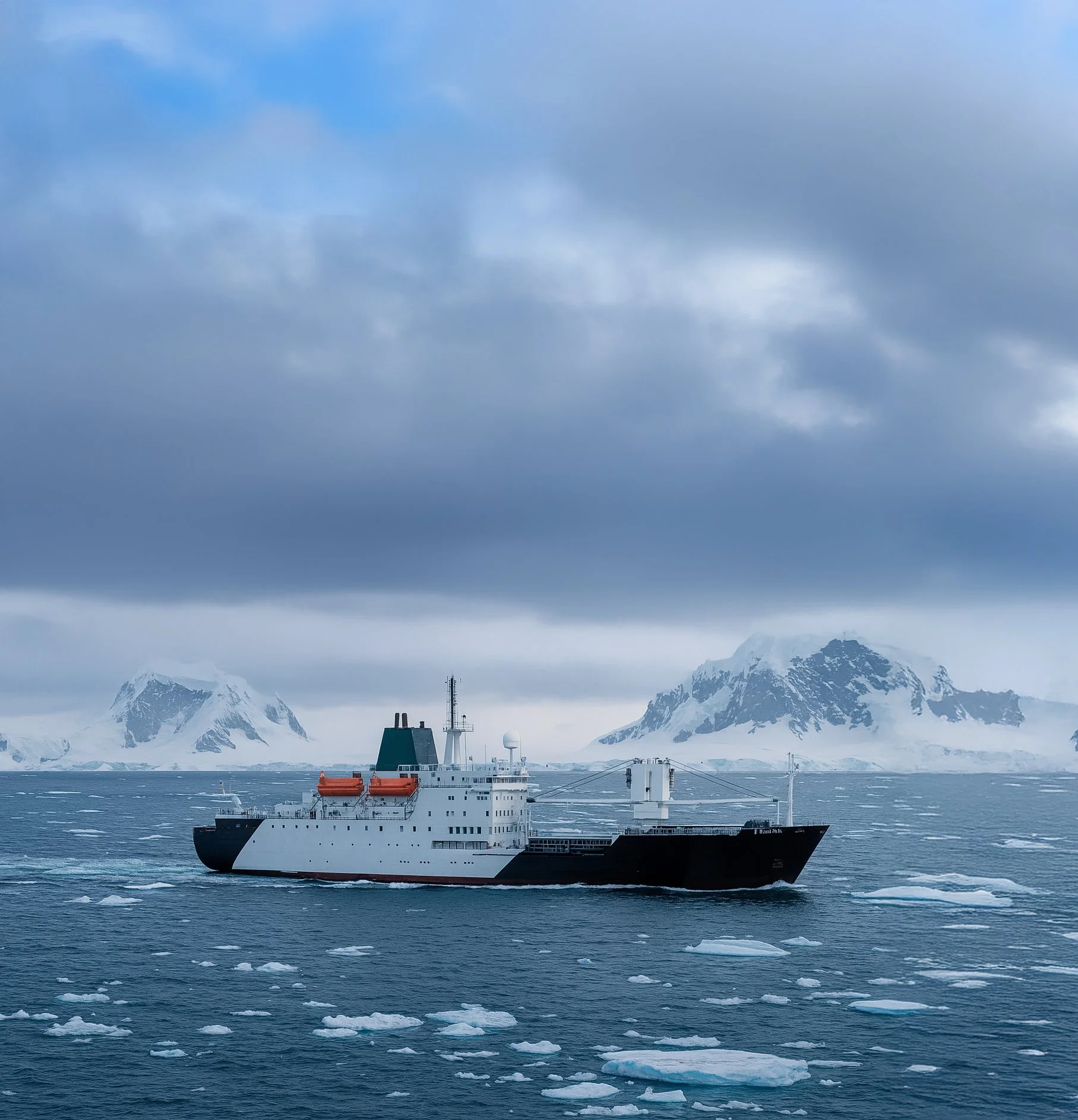
Small Ship Antarctica Cruises: Why Size Matters
When planning a trip to Antarctica, most travelers focus on itineraries, wildlife, and cabin comfort. But one factor has a far greater impact on the experience than many people realize: the size of the ship.
In Antarctica, expedition vessels carrying fewer than 100 passengers consistently deliver the most immersive and flexible travel experience. This isn’t just a matter of comfort or exclusivity — it’s largely due to the strict environmental regulations that govern tourism in the region.
Understanding how ship size affects your expedition can make a significant difference to how much you see and experience on the world’s most remote continent.
The 100-Passenger Landing Rule
Tourism in Antarctica is regulated by the International Association of Antarctica Tour Operators (IAATO) to protect the fragile ecosystem.
One of the most important guidelines is simple:
No more than 100 passengers are allowed ashore at any landing site at the same time.
This rule has a major impact on how expeditions operate.
Ships carrying fewer than 100 passengers can land everyone at once, meaning all guests can explore the shoreline, wildlife colonies, and historic sites together.
Larger ships must divide passengers into groups and rotate between activities such as:
• shore landings
• zodiac cruises
• remaining onboard
This rotation system can significantly reduce the amount of time each traveler spends on land.
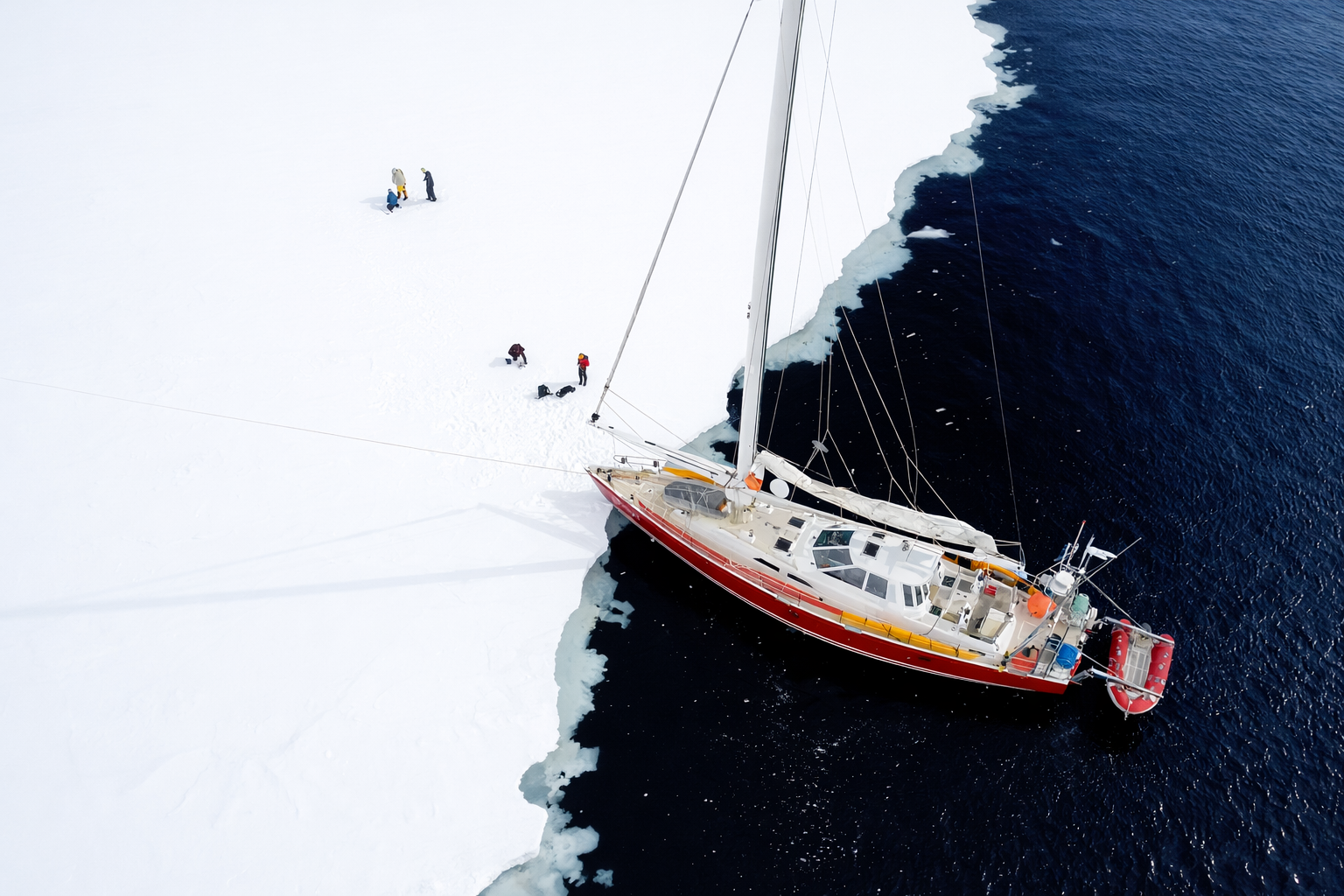
More Time Exploring Antarctica
On a small ship expedition, the day tends to move faster and more efficiently.
With fewer passengers to transport by zodiac boats, expedition teams can get everyone ashore quickly and maximize time exploring.
This often results in:
• longer landings
• more landing opportunities
• additional zodiac cruises
• greater flexibility to adapt to weather and wildlife conditions
Because Antarctic expeditions are shaped by the environment — ice conditions, wildlife activity, and weather — flexibility is one of the greatest advantages a smaller vessel can offer.
Better Wildlife Encounters
Many Antarctic landing sites are relatively small areas where wildlife colonies live in fragile environments.
Penguins, seals, and seabirds often nest in concentrated areas close to the shoreline.
Smaller groups create a quieter and more respectful presence, allowing visitors to observe wildlife behavior more naturally.
For photographers and wildlife enthusiasts, this often means:
• clearer photography opportunities
• less crowding around wildlife
• more space to explore landing sites
These small details can transform an expedition experience. If you are interested on when the best time to travel to Antarctica for wildlife see our blog!
Faster Zodiac Operations
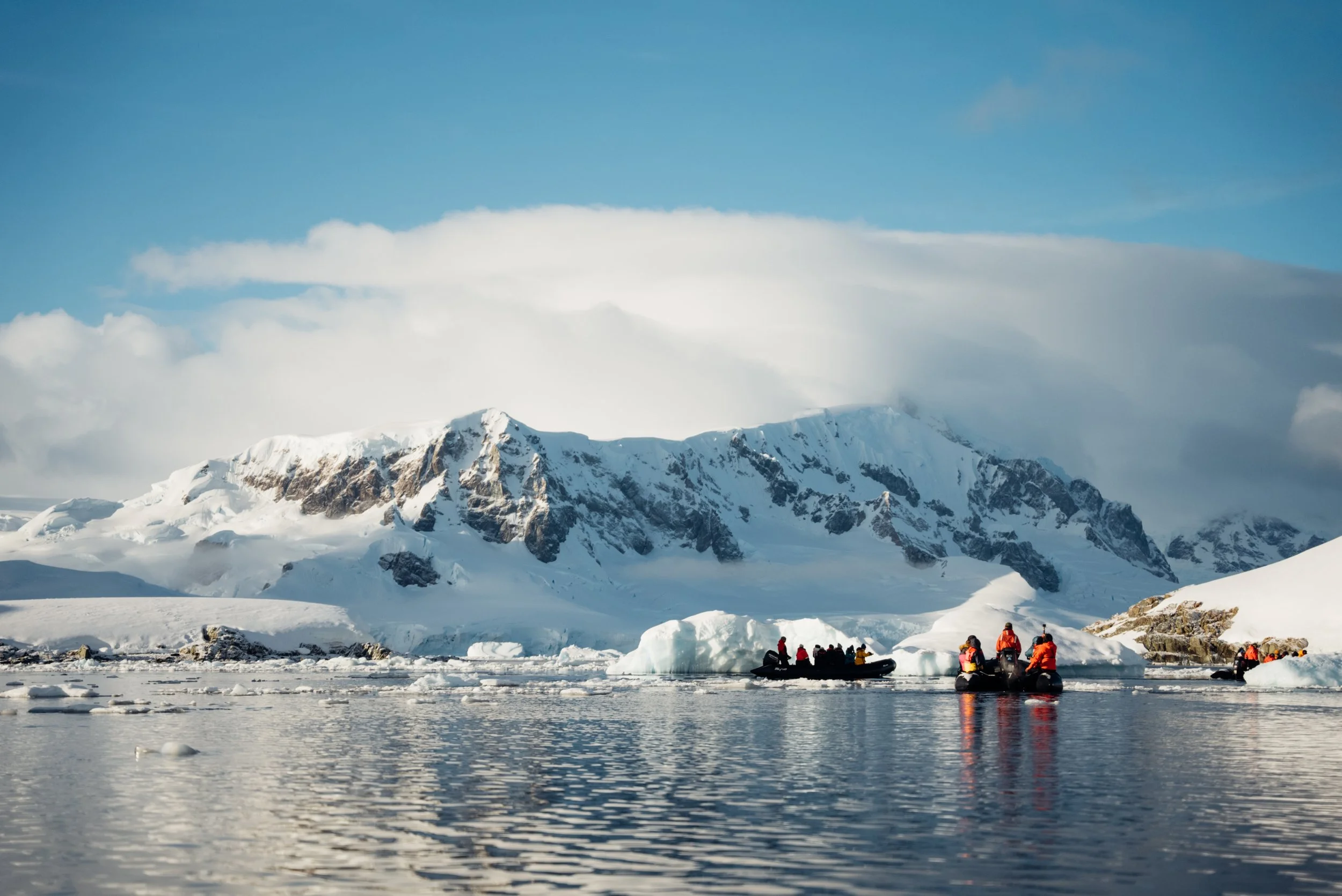
Zodiac boats are the heart of Antarctic exploration.
These inflatable craft transport passengers from the ship to shore and allow close exploration of glaciers, icebergs, and wildlife areas.
With a smaller number of guests, expedition teams can deploy zodiacs more quickly and efficiently.
This means less waiting and more time actively exploring the environment.
More Flexible Itineraries
Antarctica is not a destination where itineraries can be followed rigidly.
Ice conditions, weather, and wildlife movements often determine where ships can safely land.
Smaller ships tend to have greater maneuverability and flexibility when choosing landing sites or navigating narrow bays and channels.
This flexibility often leads to more spontaneous and rewarding expedition experiences.
A More Immersive Expedition Atmosphere
The size of the ship also influences the atmosphere onboard.
Smaller expedition vessels often create a more collaborative and engaging environment where guests interact closely with expedition guides, naturalists, and fellow travelers.
Passengers frequently spend more time with:
• marine biologists
• glaciologists
• polar historians
• wildlife specialists
These interactions help transform the journey from a cruise into a true expedition. The psychology of small group travel to such far flung parts of the globe on a small ship expediiton is fascinating, and really adds to the spirit of adventure aboard.
The Growing Interest in Small Ship Expeditions
As Antarctic tourism has grown over the past decade, some operators have introduced larger expedition vessels carrying more than 200 passengers.
However, many experienced travelers continue to seek out smaller ships for a more authentic expedition experience.
Some expedition operators — including Terra Nova Expeditions — deliberately focus on smaller vessels and expedition formats designed to maximize time ashore and create more intimate encounters with Antarctica’s landscapes and wildlife.
Choosing the Right Antarctica Expedition
When selecting an Antarctic expedition, travelers often compare ships based on comfort or amenities.
But ship size may ultimately have the biggest impact on how much of Antarctica you truly experience.
Small expedition ships can offer:
• simultaneous landings for all passengers
• longer exploration time ashore
• quieter wildlife encounters
• greater itinerary flexibility
• a more immersive expedition atmosphere
In a destination as remote and extraordinary as Antarctica, these advantages can make a remarkable difference.
Final Thoughts
Antarctica remains one of the last great wilderness destinations on Earth. Visiting it is not simply about reaching the continent — it is about experiencing its landscapes, wildlife, and silence as deeply as possible.
For many travelers, choosing a small ship Antarctica cruise is the best way to ensure that experience remains as authentic and immersive as possible. Sometimes, we think some Expedition ships are just a cruise ship in disguise. Choose wisely!